
A Complete Guide to Enjoying Jollof Rice Like a Local
Introduction
Jollof rice is more than a dish. It is a memory in the making. It sits at the center of gatherings, sharing, and daily life. The sauce carries a bright aroma, the grains glow with warmth, and the colors invite you to taste. This guide invites you to explore the cultural value and culinary significance of jollof rice. You will discover how flavor, technique, and hospitality blend to create a beloved West African staple. In short, savoring jollof Like a local means feeling The Heart of the kitchen and the joy of communal meals.
What is Jollof Rice?
Jollof rice is a one-pot dish built on tomato and pepper puree. It blends spices, onions, and oil with rice to create a cohesive, flavorful meal. The dish can feature chicken, beef, fish, or vegetables, but the core is the tomato base that infuses the grains. The texture ranges from gently saucy to more separated grains, depending on regional preference and technique. The beauty lies in balance: a sweet-tart tomato note, a gentle heat, and a comforting, comforting finish. The method rewards patience, as a steady simmer lets the flavors settle and the aroma fill the room. When served, it becomes a shared experience, inviting conversation and smiles.
Core Flavors and Techniques
The heart of jollof is its sauce. A vibrant blend of tomatoes, peppers, onions, and garlic forms a bright, rich base. The sauce is seasoned with herbs and spices that give depth without overwhelming the tomato brightness. Common notes include a hint of thyme, a touch of curry, and bay leaf or rosemary for warm aroma. The rice absorbs this sauce, gaining color and character as it cooks.
One key technique is layering flavors. Chefs start with a fragrant base, then add the tomato-pepper mix to build richness. The dish often finishes with a gentle steaming period. This keeps the grains tender while locking in the sauce’s vitality. The result is a satisfying harmony of tangy, savory, and slightly smoked tones. Subtle smoky hints may come from roasted peppers or a quick char on the surface, which adds character without harshness.
Texture is a companion to flavor. Some cooks aim for a compact, cohesive pot where each grain holds its shape. Others prefer a looser, fluffy finish where the sauce coats each grain lightly. Both textures are celebrated, and each reflects personal or regional preference. Across variations, fresh onions, garlic, and herbs lift the profile and keep the dish lively and bright.
Regional Variations
Jollof rice blesses many kitchens with its versatility, and regional twists reveal local tastes and techniques. In different places, cooks adjust spice blends, salt levels, and cooking times to suit favorite flavors. The result is a family of jollof styles that share a common foundation while expressing local identity.
- Nigeria often emphasizes a bold, robust sauce with a lively pepper kick. The rice may sit in a deeper red sauce, and toppings like fried chicken or fish appear alongside. The dish is frequently prepared for large gatherings, so the flavor is designed to please many palates at once.
- Ghanaian jollof tends to balance pepper heat with a fragrant bouquet of spices. Some cooks incorporate a touch more thyme and bay leaf, giving a slightly herbal finish. The presentation often highlights a glossy, richly colored sauce that clings lovingly to the grains.
- Senegalese and other West African takes bring distinct spice blends and cooking textures. Here you may notice variations in the aroma, from citrusy notes to warmer, more earthy tones. Each version stays true to the idea of a shared, celebratory meal.
- Across communities, street vendors and family kitchens alike showcase jollof as a versatile option for everyday meals and special occasions. The common thread remains: a dish built to bring people together, with flavor that invites second helpings and conversation.
How to Eat Like a Local
To enjoy jollof rice like a local, lean into the moment of sharing. The dish is frequently served on a large platter or in a communal pot, inviting everyone to scoop a portion. A spoon is a familiar tool for serving and savoring, while some settings encourage using hands for a more tactile experience. When in doubt, observe your host and follow local cues.
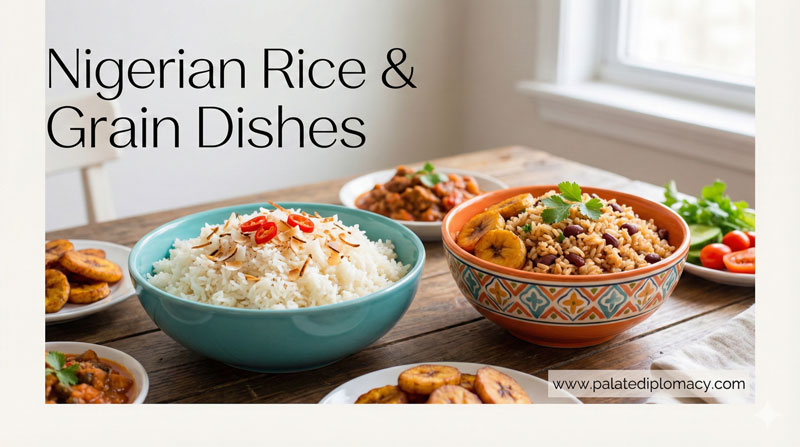
Pair the rice with vibrant accompaniments. A simple fresh salad, fried plantains, or roasted vegetables can balance the richness. A tangy tomato or pepper sauce on the side invites you to adjust flavor to your liking. Take time to inhale the aroma before tasting. The scent often hints at the depth of the cooking and the care of the cook.
As you taste, note how the sauce coats the grains. Listen for the gentle clink of serving spoons, the soft chatter of guests, and the rhythm of sharing. These details reveal the dish’s social value and the warmth of the moment.
Best Pairings and Occasions
Jollof rice shines in many settings. It brings color to Sunday meals, festival feasts, and simple weeknight dinners. It pairs well with protein choices that mirror the dish’s heartiness, such as roasted chicken or grilled fish. A side of fried plantains adds sweetness and texture, while a bright salad lightens the plate.
For beverages, light, refreshing options balance the dish. Hibiscus tea, known as zobo, or a cool fruit drink complements the tomatoes and spices nicely. Palm wine can offer a gentle, celebratory note at gatherings. The right pairing elevates the meal and complements the social moment.
Serving and Presentation
Presentation matters in jollof. A beautiful spread on a large platter invites guests to serve themselves. Garnishes like fresh herbs or sliced peppers add color and aroma. The visual appeal echoes the dish’s celebratory nature and signals hospitality. The serving style often reflects local customs and the occasion, from casual family dinners to more formal gatherings.
Cultural Value and Significance
The cultural value of jollof rice lies in its ability to unite people around a shared eating experience. It is a dish of hospitality, generosity, and memory. Families connect through the care that goes into the sauce, the timing of the simmer, and the moment when the first spoonful leaves the pot. Friends gather to savor the aroma, celebrate the textures, and enjoy the company that comes with a well-made pot of jollof.
Jollof also reflects regional creativity. Each kitchen adds its own touch, from spice variations to the choice of proteins. This adaptability showcases culinary ingenuity and respect for tradition. The dish becomes a canvas for storytelling—about a family’s favorites, a community’s preferences, or a chef’s signature style. In this way, jollof rice travels through meals, seasons, and celebrations, always carrying a sense of place.
Practical Tips for Enjoying Like a Local
- Seek the aroma first. The scent of tomato, pepper, and herbs sets expectations for the tasting.
- Observe the texture. Is the rice glossy and cohesive or light and fluffy? Each texture tells a story about technique.
- Notice the balance. A good jollof maintains a bright tomato base with gentle spice and a hint of sweetness.
- Try a bit of everything. A bite with plantain or a side salad reveals how flavors play together.
- Toast the cook with your appreciation. A simple compliment honors the effort behind the dish.
Conclusion
Jollof rice stands as a testament to how flavor, craft, and community can blend into a single, memorable meal. Its vibrant color, inviting aroma, and generous portions invite people to gather, share, and celebrate. By exploring its flavors, techniques, and regional twists, you learn more about the joy of cooking and the warmth of West African Food Culture. Whether you are at a family table, a street market, or a festive gathering, jollof rice offers a friendly invitation to pause, savor, and connect. Enjoy it like a local, and you will discover not just a dish, but a welcoming story told in every spoonful.