
Introduction
Kiełbasa Krakowska is more than a sausage. It is a sentence spoken in the language of Polish kitchens, markets, and family tables. In Poland, this cured relish of pork, garlic, pepper, and marjoram becomes a gateway to tradition, craft, and shared moments. This blog explores how Kiełbasa Krakowska grew into a must-try dish, celebrated for its cultural value and culinary significance.
What is Kiełbasa Krakowska?
Kiełbasa Krakowska is a cured, smoked sausage named for Kraków’s long-standing butchery and culinary traditions. It starts with pork, gathered with careful trimming and marbling. Garlic, pepper, and marjoram flavor the mix, and the paste is cured with salt to deepen its character. The sausage is usually smoked over beech wood, giving a gentle sweetness and a visible, rich hue. The result is a firm, sliceable sausage with a clean snap and a subtle, layered aroma. Its versatility shines in many Polish meals, from a simple breakfast slice to a featured plate on a festive board.
Craft and Technique
The craft behind Kiełbasa Krakowska blends skill and patience. Butchers grind and mix the meat with precise spice, then stuff it into natural casings. The sausage is cured and then smoked, a process that seals in flavor and extends shelf life. After smoking, it may rest to mature, allowing the flavors to harmonize. Each step—selecting pork, balancing salt, choosing spices, and timing the smoke—contributes to a predictable yet evolving profile. The result is a product that reflects careful workmanship and respect for tradition.
Cultural Value in Poland
Kiełbasa Krakowska sits at the heart of Polish culinary culture. It mirrors the Polish respect for seasonal markets, family meals, and communal eating. In homes and neighborhood shops, this sausage appears on the counter as a staple, a reliable partner for bread, mustard, and pickles. It often accompanies family gatherings, weekend lunches, and regional celebrations. Its presence on a board signals hospitality and a shared appreciation for skillful preparation. The dish connects generations, inviting stories of recipes passed down and small tips learned from seasoned butchers.
Everyday Moments and Festive Highlights
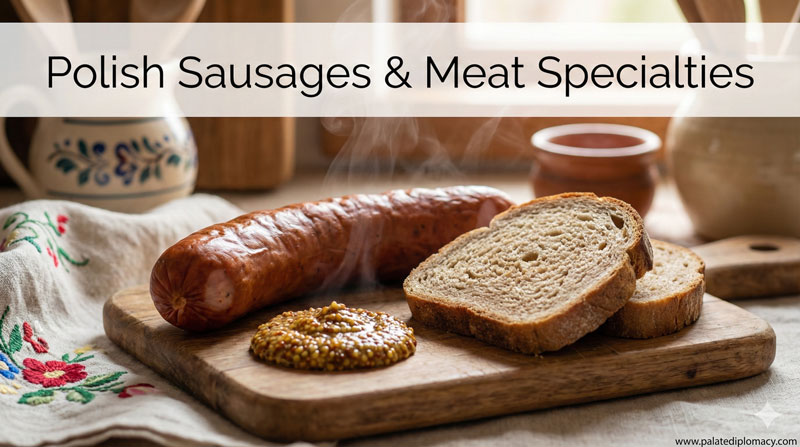
On an ordinary day, a few slices of Kiełbasa Krakowska can brighten a meal: thin rounds over rye bread with a dab of horseradish, or on a wooden board with grainy mustard and cornichons. In moments of celebration, it shines as part of a larger spread—where friends and family gather, exchange recipes, and savor regional flavors. Its versatility makes it a frequent guest at picnics, brunches, and weekend feasts alike. The dish embodies a balanced blend of accessibility and refinement, inviting both casual tasting and mindful appreciation.
Regional Pride and Culinary Dialogue
Kiełbasa Krakowska embodies Kraków’s culinary identity while inviting dialogue across Poland. Each region offers small, personal twists—slightly different spice balances, smoke intensity, or curing times—yet the core of the dish remains recognizable. This shared palate creates a gentle culinary conversation: a way to honor local farmers, traditional methods, and the craftsmanship that travels from shop to kitchen. The result is a dish that feels both specific to its origin and welcoming to the broader Polish table.
Tasting and Pairing Suggestions
To savor the best of Kiełbasa Krakowska, start with a thin slice on its own to appreciate the aroma and texture. Then pair with:
- Fresh rye bread or crusty baguette
- Strong mustard or a mild honey-mustard blend
- Pickles, beets, or a crisp salad for contrast
- A light beer or apple cider to refresh the palate
These pairings highlight the sausage’s peppery notes and its gentle smokiness without overpowering it. The experience is about balance—where the sausage, bread, and condiments harmonize to create a simple, satisfying moment.
How to Choose, Store, and Enjoy Quality
When selecting Kiełbasa Krakowska, look for a firm, evenly colored exterior with a clean aroma. The casing should be taut, not shriveled, and the meat should feel meaty rather than oily. A balanced spice scent, not overpowering smoke, is a good sign of thoughtful curing. Store slices in a cool place or the refrigerator, wrapped to preserve moisture and flavor. For long-term enjoyment, keep the whole sausage wrapped and refrigerate; slice as needed to preserve its profile.
A Gentle Celebration of Polish Food Culture
Kiełbasa Krakowska invites discovery, conversation, and appreciation. It is a bridge between market craft and home dining, between the regional and the universal. The dish reminds us that cooking can honor place—an artisan’s hand, a shared table, and a moment of pause to enjoy a well-made bite. In every slice, there is a story of Polish taste, patience, and communal joy.
Conclusion
Kiełbasa Krakowska has earned its place as a must-try dish in Poland by offering more than flavor. It stands for craft, regional pride, and the everyday beauty of well-made food. From its careful curing and smoking to its role at family tables and gatherings, the sausage celebrates a culture that values tradition, skill, and togetherness. Trying it is an invitation to taste Polish culinary culture at its best.