
Introduction
How Kiełbasa Krakowska became a must-try dish in Poland is a story of craft, tradition, and everyday delight. This sausage holds a special place on Polish tables, where its aroma invites curiosity and its texture invites fond memories. It stands as a clear example of how a regional food can blossom into a national favorite. The journey from local butchery to household staple shows the beauty of Polish culinary culture in a warm, accessible way.
The craft behind Kiełbasa Krakowska
Kiełbasa Krakowska is built on simple, honest ingredients. Pork shoulder and a touch of back fat form a rich base. Garlic, salt, pepper, and marjoram bring depth and a soft herbaceous brightness. The mixture rests, then fills a natural casing and is cured before smoking. The beech or hardwood smoke adds a gentle sweetness and a rosy hue. The result is a sausage that feels grounded in time and place—crafted with patience, not rushed.
This sausage travels a path from butcher’s board to market stall, then to family kitchen. The care shows in every step: choosing quality meat, balancing spice, and controlling the smoke. The technique honors regional know-how while inviting home cooks to appreciate texture and aroma. In short, the method itself is a quiet celebration of precision and care.
A dish at the heart of Polish tables
Kiełbasa Krakowska has earned its place near the center of many meals. It appears at everyday breakfasts, sliced thin to accompany bread and butter, or served as a hearty addition to a robust lunch. It can be a friend to mustard, horseradish, and tangy pickles, creating contrasts that delight the palate. The sausage also shines at festive gatherings, where a few slices can spark conversation and set a warm, inviting tone.
In markets across Poland, the sight of this sausage signals a welcome aroma and a reminder of regional pride. Bakers and grocers often feature it alongside rye breads and seasonal cheeses, illustrating how a single product can thread through daily life and special occasions alike. Its versatility makes it a staple that families return to again and again.
Flavor, texture, and culinary significance
The flavor profile of Kiełbasa Krakowska blends smoky sweetness with a garlicky, peppery lift. The marjoram adds a gentle herb note that keeps the taste lively without overpowering the pork’s natural richness. Texture is firm but not dry, offering a satisfying bite that releases its aroma as it warms. The aroma and taste together tell a story of careful seasoning, patient aging, and careful smoking.
Culinarily, the sausage harmonizes with many elements of Polish Cuisine. It complements hearty breads, creamy cheeses, crisp pickles, and bright mustards. It also pairs well with simple accompaniments like fresh tomatoes or light salads, proving that sophistication can come from balance and restraint. The dish demonstrates how a single product can anchor a meal and elevate ordinary moments into enjoyable experiences.
Regional pride and modern life
Kiełbasa Krakowska carries a clear sense of place. Kraków and its surrounding regions have long celebrated sausages as a signature craft. Today, producers continue to honor tradition while embracing quality controls and sustainable practices. in Modern life, the sausage remains accessible—found in bustling city markets and quiet neighborhood delis alike—yet it preserves the intimate feel of a handmade product. This continuity strengthens the bond between generations, inviting new cooks to learn, taste, and share.
How to enjoy and savor
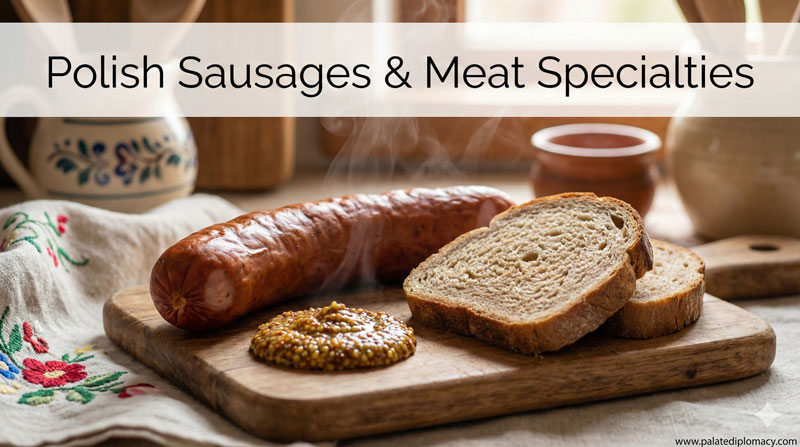
To savor Kiełbasa Krakowska at its best, slice it thinly for quick tasting, or cut slightly thicker for a more generous bite. Warm gently to release aroma, then serve with crusty rye bread, a dab of mustard, and a few crisp pickles. If you prefer a quick method, a brief pan-sear or light grill enhances the outer crust while preserving a juicy interior. Pair with a simple beer or a light cider to reflect the sausage’s balanced flavors.
Conclusion
Kiełbasa Krakowska embodies the beauty of Polish culinary culture: thoughtful preparation, regional pride, and a sense of shared enjoyment. Its rise to a must-try dish in Poland shows how a well-made sausage can become a beloved ambassador of taste, tradition, and everyday hospitality. Through its aroma, texture, and taste, this sausage continues to welcome friends and family to the table, inviting everyone to pause, savor, and celebrate the richness of Polish food culture.