
Why Kiełbasa Polska Is One of Poland’s Most Loved Dishes
Kiełbasa Polska invites the senses. It is a dish that people return to with affection. The aroma, the texture, and the balance of spices tell a story of family, craft, and place. In Poland, this sausageornaments gatherings and daily meals alike. It is a staple that speaks to hospitality and shared moments.
What is Kiełbasa Polska?
Kiełbasa Polska is a traditional Polish sausage made with pork, and sometimes a touch of beef. It is seasoned with garlic, marjoram, pepper, and salt. Some versions are fresh; others are smoked. Casing is often natural, giving a satisfying snap when you bite into it. The result is a versatile sausage that can be grilled, fried, boiled, or roasted. The flavor is robust but balanced, inviting second helpings and conversation.
Craft and Tradition in Making Kiełbasa Polska
The craft of making Kiełbasa Polska combines skill and patience. Butchers and family cooks follow time-honored methods that have been passed down through generations. Ground meat is blended with precise spice ratios. Until today, many producers rely on natural ingredients and time-tested techniques. Smoking with beech or other woods adds depth and a gentle sweetness. Each step—grinding, mixing, stuffing, and linking—reflects care. The result is a sausage that tastes Like a story of a kitchen and a neighborhood.
Regional Flavors and Profiles
Polish regions bring subtle variety to Kiełbasa Polska. Some versions emphasize a coarser grind and a rustic finish, while others feature a finer texture and a more pronounced spice blend. You may encounter Kiełbasa Krakowska, known for balance and aroma, or countryside-style variants that favor a bolder, heartier savor. Regional differences appear in spice choices, smoke level, and the length of the sausage. Yet, across regions, the essence remains the same: a well-seasoned link that complements breads, pickles, and warm meals.
The Social and Cultural Role
Kiełbasa Polska lives in the center of Polish food culture. It appears at family meals, market stalls, and festive feasts. The dish brings people together around a hot plate or a grill. It invites conversation, sharing, and timing. A plate of kielbasa often signals welcome and warmth. It pairs naturally with simple sides, making it a bridge between everyday cooking and special occasions. In this way, the sausage helps sustain a sense of community and comfort.
Pairings and Serving Traditions
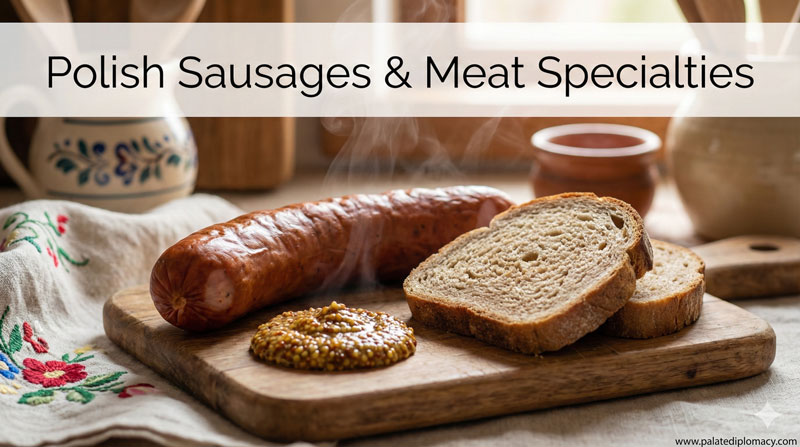
A traditional pairing highlights the sausage’s lift. Serve Kiełbasa Polska with hearty rye bread or crusty rolls. Mustard adds a bright kick, while pickles and sauerkraut bring tang and crunch. Horseradish offers a sharp contrast that cleanly cuts through the fat and richness. For a complete meal, pair with mashed or roasted potatoes. These combos honor the dish’s versatility and its place in daily life and celebration alike.
Why It Endures in Polish Kitchens
Kiełbasa Polska endures because it is adaptable and approachable. It fits into quick weeknight dinners and into longer, leisurely meals with friends. The flavor profile is generous, yet not overpowering. It is forgiving in cooking methods, performing well whether grilled, pan-seared, or simmered in broth. The sausage also carries a sense of continuity, linking present cooks with their grandparents’ kitchens. In this way, it remains a beloved thread in Poland’s culinary tapestry.
How to Enjoy It at Home
To savor Kiełbasa Polska, start with quality selections. Look for sausages with a glossy casing and a firm feel. Choose natural casings when possible. Cooking methods vary: grill or pan-fry for crisp edges, or simmer gently to preserve moisture. Rest the sausage after cooking to reabsorb juices. Slice thick for hearty bites or thin for quick appetites. Finally, remember that simple accompaniments often shine best; a slice of rye bread, a dab of mustard, and a few pickles can elevate the experience.
A Timeless Favorite in Polish Kitchens
In every bite, Kiełbasa Polska reveals a balance of craft, place, and warmth. It honors ancient methods while fitting modern tables. This dish shows how a single sausage can carry memory, culture, and joy. It remains one of Poland’s most loved dishes because it invites sharing, respects tradition, and celebrates the beauty of simple, well-made food.