
Why Kiełbasa Polska Is One of Poland’s Most Loved Dishes
Kiełbasa Polska is more than a sausage. It is a warm emblem of Polish cooking, shared tables, and everyday celebration. The dish invites us into a world of textures and aromas, where smoky notes meet herb brightness. Cooks craft it with care, and families savor it with quiet joy. This piece explores its cultural value and culinary significance, two threads that weave together in Poland’s kitchens and markets.
The Shape of a Shared Table
at Home, in markets, and at small gatherings, Kiełbasa Polska anchors meals. It appears in hearty breakfasts, family dinners, and festive spreads. The aroma from a grill or skillet signals connection: neighbors dropping by, friends staying a little longer, and stories passing from one generation to the next. The sausage is versatile. It pairs with crusty bread, mustard, pickles, and potatoes. It can stand alone as a main dish or join noodles, sauerkraut, or lentils. This flexibility makes it a constant presence in daily life and a familiar favorite during special occasions.
The Craft Behind the Sausage
The craft of Kiełbasa Polska blends tradition with skilled technique. Pork is the heart, sometimes combined with a touch of beef for richness. Garlic, marjoram, pepper, and salt bring the signature warmth. Some recipes favor a lean, clean profile; others welcome a coarser texture and a more rustic bite. The meat is ground, seasoned, and carefully stuffed into natural casings. Smoking over beech wood is a beloved method, adding depth and a gentle sweetness. Curing and aging may shape certain varieties, developing flavor while keeping the sausage fragrant and approachable. Regional styles—such as lean, smooth Krakowska or heartier Wiejska—reflect local preferences and landscapes. Each variant tells a small story of place, craft, and care.
Moments at the Market: From Butcher to Table
The journey of Kiełbasa Polska often begins in a shop or market stall. Butchers and artisans stand behind counters, greeting regulars by name. They select cuts with balance and texture in mind, then season and smoke with steady hands. In markets, the air is scented with garlic and smoke, inviting shoppers to pause and choose. People often buy as much for the cook’s pride as for the taste itself. Back home, families lay out sausages on wooden boards, slice them thick for a quick meal, or grill them outdoors to share with neighbors. This flow—from shop to kitchen, kitchen to table—keeps the dish vibrant and relevant.
Pairings and Serving Traditions
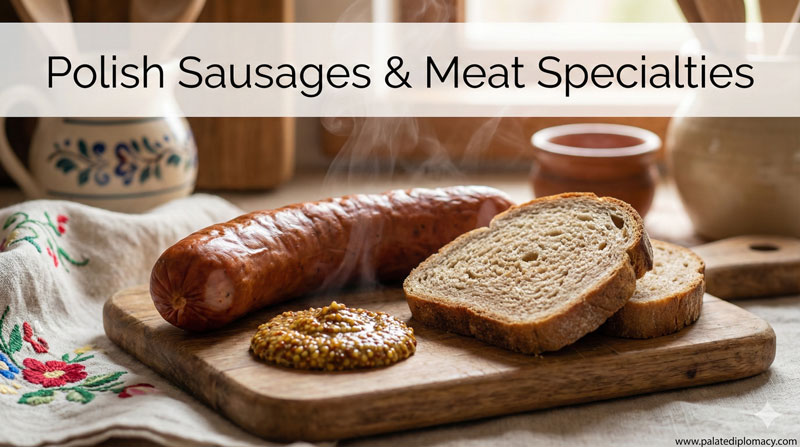
Kiełbasa Polska shines with thoughtful pairings. Rye bread or rustic loaves cradle slices, while a dollop of mustard adds a bright kick. A side of sauerkraut or mashed potatoes echoes traditional comfort. Pickled vegetables, crisp radishes, and a cool beer or a glass of light vodka can complement its savor. The serving style is inviting: sliced, warmed, and arranged for easy sharing. These rituals—simple, generous, and approachable—mirror the warmth of everyday Polish dining and celebrate the sausage as a centerpiece that welcomes conversation and companionship.
Preserving Craft Across Generations
Families keep Kiełbasa Polska alive through shared recipes, careful listening, and hands-on practice. Young cooks learn from elders about timing, texture, and balance. They discover how a specific smokehouse’s slower pace yields a sweeter bouquet, or how a regional note—garlic, marjoram, or pepper—defines a family’s preferred version. This transfer of knowledge preserves a living culture of flavor. In kitchens big and small, the dish remains a touchstone for remembering where meals come from and how meals are made with patience and pride.
A Simple Joy, A Timeless Presence
Kiełbasa Polska stands as a flavorful testament to Polish culinary culture. It invites people to gather, to smell, and to share. Its savory profile, craftful origins, and flexible uses make it a beloved staple that travels well within its own country and into everyday life. For those who encounter it, the dish offers comfort, curiosity, and a reminder of the beauty found in thoughtful cooking. In every bite, one tastes a celebration of place, craft, and community.