
What is Kik Alicha?
Kik Alicha is a beloved Ethiopian dish known for its gentle, comforting flavors. It is a mild yellow split pea stew cooked with onions, garlic, ginger, and a touch of turmeric. The result is a golden, silky puree that melts in the mouth. Unlike spicer varieties, Kik Alicha keeps heat at bay, letting the sweetness of the peas and the warmth of the spices shine through. It is often prepared as a vegan option, using oil instead of butter, which makes it accessible to a wide range of tastes while preserving its rich character.
Cultural Value in Ethiopian Dining
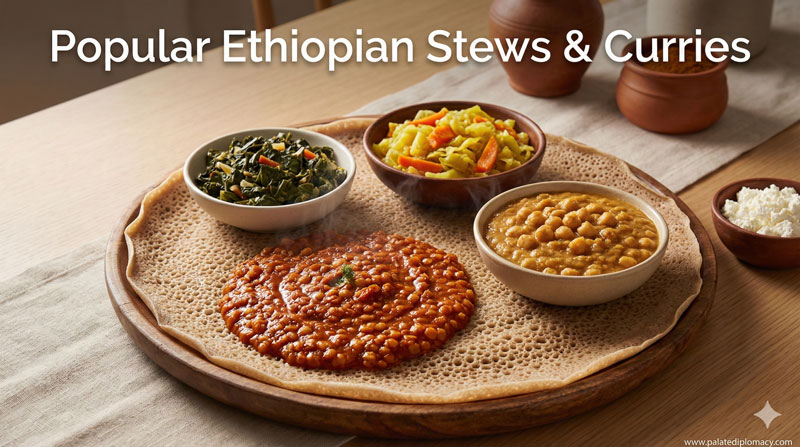
In Ethiopian dining culture, meals are shared at a single, communal table. A colorful assortment of stews, vegetables, and lentil dishes sits beside injera, a spongy flatbread made from teff. Kik Alicha plays a central role in this gathering because its mild profile complements stronger flavors in other dishes and balances the meal as a whole. It invites conversation around the table, inviting everyone to dip, scoop, and savor together. The dish embodies hospitality, patience, and the joy of communal eating that is central to Ethiopian food culture.
Ingredients and Preparation: A Simple Yet Elegant Process
Key ingredients:
– Yellow split peas (kik)
– Onions
– Garlic
– Ginger
– Turmeric
– Cumin and coriander (optional)
– Salt
– Oil or niter kibbeh (spiced clarified butter) for a richer, traditional note
A typical preparation method is straightforward and timeless: sauté chopped onions until they glow amber, then add minced garlic and grated ginger. The turmeric follows, lending a sunny hue and gentle earthiness. The yellow split peas are rinsed and then simmered with enough liquid to soften them into a luscious mash. A final simmer helps the flavors meld, producing a creamy, cohesive dish. The result is aromatic, comforting, and bright, with a touch of warmth from the spices.
Flavor Profile, Texture, and Sensory Delight
Kik Alicha offers a soft, comforting mouthfeel with a silky texture. The aroma is inviting, featuring onion sweetness, garlic’s bite, ginger’s zing, and turmeric’s mellow earthiness. The color—a warm golden yellow—appears almost like sunshine on a plate. The flavor stays gentle but deeply satisfying, making it a versatile dish that can be enjoyed on its own or as part of a larger platter. This balance of softness and clarity in taste is one of the dish’s most admired qualities.
Its Role with Injera and the Table
Injera acts as both plate and utensil in Ethiopian Cuisine. Kik Alicha accompanies injera by providing a creamy, dairy-free counterpoint to tangy, spicy, or savory stews on the same tray. Diners tear pieces of injera and use them to scoop Kik Alicha along with other dishes. This shared method of eating reinforces community and togetherness, turning a meal into a shared experience rather than a sequence of individual portions. The pairing of Kik Alicha with injera highlights the harmony between grain and legume, between soft bread and velvety sauce, and between individual flavors and collective enjoyment.
Variations Across Regions and Homes
Recipes for Kik Alicha can vary slightly from family to family and region to region. Some cooks add a hint of cumin or coriander for extra warmth, while others keep the ingredient list spare to preserve the dish’s delicate character. In some preparations, a small amount of tomato may be introduced to brighten the stew, though purists may prefer no tomato to maintain the dish’s pure legume sweetness. The use of niter kibbeh adds a layer of depth and a signature aroma, but many home cooks opt for a neutral oil to keep the dish accessible for vegetarians and those avoiding butter.
Healthful Qualities and Everyday Cooking
Kik Alicha is naturally plant-based, high in protein and fiber from the yellow split peas. It offers sustenance without heavy fat, especially when prepared with a modest amount of oil. The spices bring gentle anti-inflammatory notes and a comforting warmth. For everyday cooking, Kik Alicha serves as a versatile staple: it can stand alone as a comforting main or accompany a spread of vegetables, grains, and injera for a well-balanced meal. Its simplicity makes it a dependable choice for busy days when a nourishing, flavorful dish is desired.
Tips for Making Kik Alicha at Home
- Soak or rinse properly: Rinse the yellow split peas until the water runs clear to ensure a smooth texture.
- Build flavor with onions: Cook onions slowly to develop natural sweetness, which forms the base of the dish.
- Add spices in stages: Sauté garlic and ginger after onions, then stir in turmeric and optional cumin or coriander to release their aroma.
- Adjust thickness: Add liquid gradually as the peas cook. For a saucier result, use more water or vegetable stock.
- Finish with a bright note: A splash of lemon juice or a pinch of salt at the end can brighten the flavors.
- Make it ahead: Kik Alicha stores well and often tastes even better the next day as flavors meld.
Variations to Explore
- Ginger-forward Kik Alicha: Increase ginger slightly for a spicier, more zesty profile.
- Creamier version: Add a touch of Coconut Milk near the end for a velvety texture, while keeping it dairy-free.
- Nutty touch: A small amount of ground turmeric and toasted sesame seeds can introduce a subtle, nutty aroma.
Pairings and Menu Ideas
- Serve with injera to emphasize the traditional dining experience.
- Pair with a fresh salad or lightly pickled vegetables to add a crisp contrast.
- Include Kik Alicha on a vegetarian Ethiopian tasting menu alongside misir (red lentil stew) and yeqimem (vegetable medley) for a well-rounded meal.
- For a modern twist, plate Kik Alicha beside quinoa or barley for a hearty, healthful spread.
A Reflection: Why Kik Alicha Endures
Kik Alicha endures because it embodies balance: simple ingredients used with care to create warmth and comfort. It speaks to the joy of home cooking and the generosity of sharing a meal with others. The dish’s golden color, gentle texture, and aromatic scent invite people to pause, savor, and connect. Through its presence at the table, Kik Alicha teaches us about patience in cooking, the value of fresh ingredients, and the beauty of Ethiopian culinary craft.
Conclusion: The Beauty of Kik Alicha in Food Culture
Kik Alicha is more than a dish; it is a cultural expression of care, community, and culinary artistry. Its mild, comforting flavor makes it approachable for all ages, while its delicate spice profile showcases the richness of Ethiopian seasoning without overpowering the natural sweetness of the peas. When served with injera, Kik Alicha becomes part of a shared ritual that celebrates nourishment, hospitality, and togetherness. This dish invites cooks and diners alike to appreciate the quiet power of simple ingredients transformed through thoughtful technique and respectful tradition.