
Everything You Need to Know About Kik Alicha
Kik alicha is more than a dish; it is a gentle, inviting thread in Ethiopian cooking. The term alicha means mild, and kik refers to a legume dish often built around yellow split peas. In every bite, you’ll sense warmth, patience, and a shared table. This post explores its cultural value and culinary significance, weaving together flavor, technique, and tradition.
What is Kik Alicha?
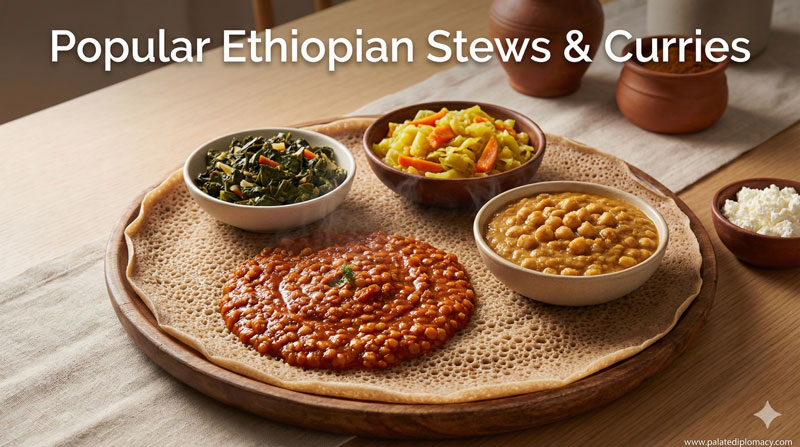
Kik alicha is a mild Ethiopian stew made from yellow split peas, sometimes prepared with chickpeas. The key is a pale, soothing sauce seasoned with onions, garlic, ginger, and turmeric. The result is a creamy, lightly spiced dish that shines when paired with injera, the sour flatbread that anchors many Ethiopian meals. The dish sits comfortably on a plate of diverse stews, offering balance through its gentle taste.
Ingredients and Preparation
Core ingredients include yellow split peas, onions, garlic, ginger, turmeric, and oil or butter. Some cooks add cumin or coriander for nuance, while others keep it strictly simple to preserve the dish’s mild character. Typical steps:
- Rinse and simmer the peas until tender.
- Sauté onions in oil until soft, then add garlic and ginger.
- Stir in turmeric and any optional spices.
- Combine with the cooked peas and a little water; simmer until the flavors meld.
- Finish with salt to taste.
The method emphasizes patience. Slow cooking coaxes a creamy texture from the peas and yields a comforting, homestyle aroma. This approach highlights the beauty of simple ingredients working in harmony.
Flavor Profile and Texture
Expect a pale-yellow color, a gentle aroma, and a smooth, velvety texture. The flavor is warm and earthy, with a subtle sweetness from onions and a mild brightness from turmeric. Because it’s designed to be mild, kik alicha invites the natural flavors of the legumes to shine. The texture is creamy but never mushy, making it easy to scoop with injera and savor in bites.
Cultural Value and Culinary Significance
Kik alicha embodies everyday Ethiopian hospitality. It appears in homes as a nourishing, meat-free option during fasting days and regular family meals alike. The dish demonstrates how Ethiopian Cuisine balances richness and restraint through careful technique and thoughtful seasoning. When shared at the table, kik alicha reinforces a sense of community, courtesy, and togetherness that are central to many Ethiopian dining rituals. The dish also reflects the country’s reverence for pulses and grains, highlighting how staple ingredients become comforting rituals passed from generation to generation.
Serving Traditions and Etiquette
In most meals, kik alicha is served on injera alongside a selection of other wots (stews) and salads. The bread-like injera acts as both utensil and accompaniment, inviting a slow, communal eating rhythm. Swapping bites, tasting combinations, and lingering over the meal are common. A well-balanced plate might include a legume-based alicha, a greens-based wot, and a small salad, all sharing the same injera base.
Regional Variations
Households across Ethiopia create subtle differences in kik alicha. Some communities favor chickpeas, others yellow split peas. Spices may vary from a pure turmeric base to a touch of cumin or coriander for extra depth. The cooking fat can be clarified butter (niter kibbeh) for a richer aroma or a plant-based oil for a lighter finish. These variations show how local pantry items shape a familiar dish, while keeping the heart of kik alicha intact.
Pairings and Menu Context
Kik alicha shines when paired with injera to scoop and savor. It also works well as part of a mixed plate, such as a biyaynaetu platter, where several stews are offered alongside bread. For a balanced meal, add a fresh salad or greens to brighten the plate. The dish’s gentle profile makes it a versatile accompaniment to other flavors on the table, without overwhelming them.
Quick Tips and Common Pitfalls
- Soak optional: Some cooks soak yellow split peas briefly to reduce cooking time, but it’s not mandatory.
- Don’t rush the onion base: Sauté until very soft for a richer foundation.
- Taste as you go: Add salt gradually to avoid oversalting.
- Keep it mild: If you’re new to the dish, start with turmeric and onions, then consider adding a pinch of cumin for warmth.
- Consistency matters: If the sauce is too thick, add a splash of water or stock; if too thin, simmer a bit longer to thicken.
Conclusion
Kik alicha offers a welcoming doorway into Ethiopian cooking, where simplicity, care, and seasonality come together. Its mild, creamy profile makes it approachable, while its cultural context invites curiosity and appreciation. Whether you’re sharing a meal with friends or exploring new traditions, kik alicha demonstrates how humble ingredients can become a source of comfort and connection at the table.