
A Complete Guide to Enjoying Kik Alicha Like a Local
Kik alicha welcomes you to a gentle moment at the table. This Ethiopian dish centers on yellow split peas in a light, fragrant sauce. It is mild in heat, vibrant in color, and deeply rooted in everyday life. When you Eat It, you taste care, patience, and hospitality. The dish offers a quiet, nourishing experience that echoes the warmth of family gatherings and shared meals. Read on to discover how locals value kik alicha and why it remains a beloved staple.
What Is Kik Alicha?
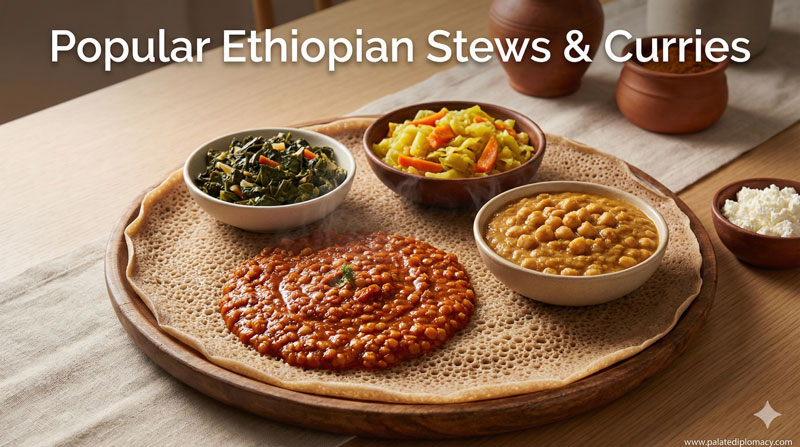
Kik alicha is a traditional Ethiopian stew. The name reflects its nature: kik means peas, alicha means mild or simple. The peas simmer slowly with onions, garlic, ginger, and a touch of turmeric. The result is a silky sauce that lets the peas shine. Most versions are vegan by default, using oil rather than butter. It is commonly served with injera, the sour, spongy flatbread that acts as both plate and utensil. Together, they create a meal that emphasizes balance and shared pleasure.
Core Ingredients and Their Stories
The heart of kik alicha is yellow split peas, the main source of protein and texture. Onions form the aromatic base, followed by garlic and fresh ginger for brightness. Turmeric lends a soft golden hue and gentle warmth. Some cooks add cumin, coriander, or a pinch of chili for subtle depth, but the goal remains a mellow, approachable flavor. Oil or clarified butter (ghee) can enrich the sauce, depending on tradition and preference. The result is a comforting stew that pairs beautifully with the tang of injera.
Cooking Techniques That Respect Tradition
Begin with a soft onion soffritto, allowing natural sweetness to emerge. Then add garlic and ginger, releasing their fragrance. Stir in turmeric and any other spices, and bloom them briefly to awaken their aromas. Add the yellow split peas and enough water to cover them. Simmer gently until the peas are tender and the sauce thickens to a gentle glaze. The key is patience: slow cooking preserves the peas’ texture and the sauce’s silkiness. Finally, adjust salt to taste and finish with a light swirl of oil.
Cultural Significance and Hospitality
Kik alicha shines in its role as a welcoming dish. It is common during fasting periods when meals lean plant-based, yet it remains a favorite year-round. Families prepare the dish for gatherings, Sundays, and celebrations, underscoring generosity and togetherness. Serving kik alicha with injera invites everyone to share, tear, and scoop. In this shared act, the meal becomes more than food; it becomes a sign of respect, care, and connection among neighbors and loved ones.
How to Enjoy Like a Local
To enjoy kik alicha Like a local, start with the injera. Tear a piece of bread, use it to scoop a portion of the stew, and fold the injera into a gentle bite. Allow the mild, comforting flavors to unfold on the palate. Pair the dish with fresh salad or a simple potato or lentil side, if available, but keep the focus on balance. Sip water or a lightly brewed tea between bites to preserve the stew’s delicate aroma. The experience is slow, mindful, and deeply communal.
Pairings and Serving Traditions
Injera is the star pairing for kik alicha. The tangy flatbread soaks up the stew, enriching every mouthful. Some homes offer a side of ayib (a mild Ethiopian cheese) for texture and contrast, though kik alicha remains wonderfully vegan without it. Light salads with cucumber and tomato add freshness. A small amount of extra oil on the plate can heighten the richness. Overall, the serving style emphasizes harmony, sharing, and gentle flavors.
Regional Variations Across Ethiopia
Across regions, cooks adapt kik alicha to local tastes. Some prepare it with more turmeric or ginger for a brighter note, while others keep the spice profile very restrained. In certain areas, cooks may use a touch of niter kibbeh for a buttery depth, while vegan kitchens skip it in favor of olive or vegetable oil. Despite small differences, the dish remains recognizable: a mellow, nourishing staple that travels well on a plate of injera.
Tips for Home Cooks
- Start with dried yellow split peas for the best texture; rinse well and soak briefly if you like smoother cooking.
- Use a gentle simmer; high heat can break the peas apart and dull the sauce.
- For a vegan version, stick to oil and skip any dairy ingredients.
- If you prefer a slightly richer color, add a pinch more turmeric toward the end.
- Store leftovers in the fridge for up to three days; it also freezes well for quick meals later.
Final Thoughts
Kik alicha is more than a dish; it is a daily celebration of care, comfort, and community. Its quiet flavors invite slow eating and thoughtful conversation. In every bite, you taste tradition—shared wisdom, family warmth, and the art of turning simple ingredients into something deeply cherished. Whether you are cooking at Home or dining with friends, kik alicha offers a timeless way to connect with Ethiopian food culture and savor the beauty of a meal prepared with heart.