
Introduction
Kik Alicha is a beloved, everyday treasure in Ethiopian cuisine. This yellow-lentil stew greets the senses with a gentle aroma and a comforting, silky texture. It offers a window into home cooking, hospitality, and a thoughtful balance of flavors. With its mild spice and bright color, Kik Alicha invites all to gather around the injera and share a moment of slow, satisfying nourishment. In this guide, we explore its cultural value and culinary significance, showing how a simple pot of lentils can speak volumes about a people and their table.
What is Kik Alicha?
Kik Alicha, often described as a mild or plain version of the Ethiopian wot family, centers on yellow split peas (kik). The dish blends onions, garlic, and ginger with turmeric, which gives it a sunny hue. Cumin and coriander subtly season the mix, while a small amount of oil or clarified butter enriches the sauce. Unlike spicier wots, Kik Alicha emphasizes balance and gentleness, letting the natural sweetness of the peas shine through. The result is a versatile, comforting dish that fits into daily meals as well as special gatherings.
Color, Aroma, and Texture
The color of Kik Alicha is its first invitation. The turmeric bathes the peas in a warm yellow, signaling warmth and welcome. As the onion fat melts into the mixture, the kitchen fills with a layered aroma—garlic, ginger, and a hint of spice, but never overpowering. The texture is smooth and creamy, with pieces of soft peas offering gentle bite. This harmony of color, scent, and mouthfeel makes Kik Alicha an approachable doorway into Ethiopian flavors for newcomers, while still feeling rooted and familiar to longtime fans.
Cultural Significance in Ethiopian Cuisine
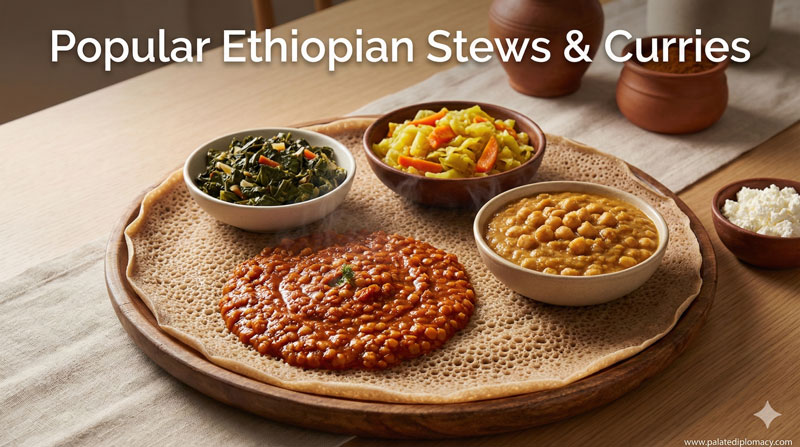
In Ethiopian meals, a platter often centers on injera, the spongy flatbread that serves as both plate and utensil. Kik Alicha is a natural, well-loved companion to injera. It appears alongside other wots and vegetable dishes, forming a colorful mosaic that highlights variety, balance, and abundance. The dish embodies hospitality: guests are invited to tear a piece of injera, scoop the soft lentils, and share the bite with friends and family. This simple act, repeated in homes and eateries, reinforces connection, generosity, and a sense of belonging around the table.
Kik Alicha also celebrates plant-based cooking with grace. Its ingredients come together through patient simmering, encouraging appreciation for the slow, attentive craft of home kitchen work. The dish is nourishing, satisfying, and adaptable, making it a staple for everyday meals as well as festive menus. Through its modest profile, Kik Alicha reveals how Ethiopian cooks honor vegetables, grains, and legumes as central, unifying elements of the cuisine.
Serving Traditions and Pairings
Serve Kik Alicha with injera to create a traditional Ethiopian tasting experience. The soft bread soaks up the sauce, carrying the gentle spices across the tongue. If you wish to broaden the plate, pair Kik Alicha with other vegetarian wots, shiro (a chickpea- or flours-based sauce), and fresh salad leaves. A pot of tea or a light, fermented drink can complement the meal without overpowering the yellow warmth of the dish. The idea is balance: let the mild richness of Kik Alicha be the welcoming canvas, while other dishes add color, texture, and brightness.
In social settings, hosting with Kik Alicha becomes an expression of care. When a family or group prepares a meal around injera, the act of sharing a single pot of alicha signals respect for tradition and for each guest. This spirit of warmth and inclusion is a quiet but powerful thread woven through many Ethiopian dining moments.
How to Enjoy Kik Alicha Like a Local
First, approach Kik Alicha with curiosity and patience. The dish rewards slow tasting—notice how the turmeric’s glow matches the onion sweetness and the gentle spice. Next, use injera to scoop the lentils; the bread’s tang and pliancy elevate the experience, creating a satisfying dialogue between sour and mellow flavors. Finally, savor the shared moment. In many homes, meals are a time for conversation and connection, and Kik Alicha helps frame that atmosphere with its calm, inviting presence.
To enhance your experience at Home, consider these tips:
– Use yellow split peas (kik) as the base, and simmer until very tender for a silky texture.
– Maintain a modest spice level to keep the dish approachable for all palates.
– Fresh ginger adds bright warmth; garlic deepens the savory note without overpowering the lentils.
– If you Like a richer sauce, finish with a small kiss of niter kibbeh (spiced clarified butter) or a neutral oil.
Kitchen Tips and Variations
- If yellow split peas are unavailable, you can use red lentils for a quicker, softer result. The flavor will remain mild, though the color will differ.
- For a lighter version, skip the fat and let the peas carry the aroma of onions and spices.
- If you prefer a more pronounced depth, add a pinch of ground cinnamon or a trace of ground cumin—done sparingly to keep the dish faithful to its gentle style.
- To keep staple ingredients at hand, prepare a larger batch and refrigerate. Kik Alicha reheats well and can be a reliable centerpiece for future meals.
A Seasonal and Social Perspective
Kik Alicha thrives in the rhythm of daily life. It is a dish families turn to after work or school, when a comforting plate brings ease and relief. It is also a dish that languages and customs share in friendly, ordinary moments—one that travels easily from home kitchen to a modest gathering, preserving the sense of community in everyday cooking. In this way, Kik Alicha is more than sustenance; it is a daily ritual of care, a quiet celebration of vegetables, and a reliable bridge between generations.
Final Thoughts
Kik Alicha embodies the beauty of Ethiopian home cooking: simple ingredients transformed through patience, care, and communal sharing. Its bright color, gentle aroma, and tender texture make it a standout among vegetarian dishes, yet its core is humility and hospitality. When you serve Kik Alicha, you offer more than food—you offer a moment of welcome, a connection to family, and a piece of a vibrant food culture. Enjoy it with reverence, curiosity, and a spirit of sharing, and you will taste the heart of Ethiopian dining in every bite.