
Introduction
Kik Alicha is a cherished dish that shines in Ethiopian kitchens and on festive tables. This mild, comforting stew centers on yellow split peas and a gentle palette of spices. It invites curious cooks to explore a dish that embodies warmth, sharing, and everyday culinary craft. The beauty of Kik Alicha lies in its balance: simple ingredients, careful technique, and a sense of belonging that comes with every bite.
What is Kik Alicha?
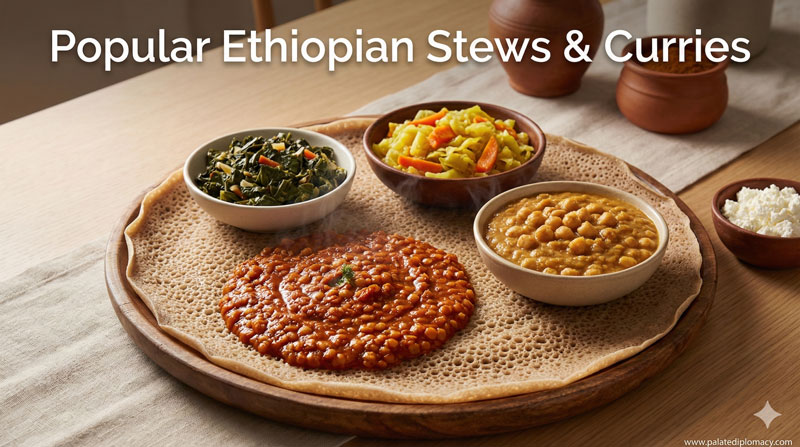
Kik Alicha translates to a mild preparation of kik, meaning split peas, and alicha, meaning plain or gentle. The result is a pale, creamy stew that contrasts with spicier wats on the same platter. It is designed to be soothing in flavor, letting the natural sweetness of the peas shine through. The dish is most often part of an injera-based meal, where a flat, sour pancake serves as both plate and fork.
Core ingredients and flavor
The heart of Kik Alicha is yellow split peas. Alongside the peas you will typically find onions, garlic, and ginger. Turmeric provides the signature pale-yellow color and mild warmth, while cumin and coriander offer gentle earthiness. A small amount of salt completes the flavor. Many cooks finish the dish with niter kibbeh, a spiced clarified butter, which adds depth and a silky texture. Olive oil is a common alternative. The result is creamy, mild, and bright, with a subtle aroma that invites you to dip with injera.
The cooking technique
Start by softening onions in oil or niter kibbeh. Add garlic and ginger, letting their fragrances rise. Stir in turmeric and any other subtle spices, then fold in the split peas and enough water to cover. Simmer gently until the peas break down into a tender, creamy consistency. Adjust the liquid as needed to reach a thick, spoonable texture. Finish with a touch of salt and a drizzle of total richness from the fat you chose. The key is slow, steady simmering so the peas melt softly without losing their character.
Cultural significance
Kik Alicha holds a steady place in Ethiopian food culture. It is a reliable, nourishing dish for everyday meals and a welcome feature on shared platters. Often served with injera, Kik Alicha embodies hospitality: guests dip bread into the pot, and families gather around the same plate. The dish is also meaningful during fasting periods when meat and dairy are limited; its plant-based heart provides comfort and sustenance. Through its presence on the table, Kik Alicha celebrates simplicity, care, and the joy of cooking for others.
Variations and regional twists
Cooks bring their own touch to Kik Alicha. Some use extra onions for sweetness, others add a hint of garlic powder or fresh chili for a gentle lift. The choice of fat—niter kibbeh or olive oil—shapes the aroma and mouthfeel. A few households blend a tiny amount of cinnamon or cardamom for a whisper of spice, while still keeping the dish predominantly mild. These variations reflect family memories, seasonal produce, and local pantry staples, all contributing to a living tradition.
Serving and pairing
Serve Kik Alicha on a broad injera plater, accompanied by several other wats and stews. The soft bread soaks up the stew, creating harmony between textures and flavors. For a refreshing contrast, pair the meal with a light, citrusy beverage or a simple yogurt-based side, if desired. The experience is about sharing and savoring the moment together, plate by plate.
A place on the table: feast and daily meals
Kik Alicha shines in both daily meals and special gatherings. Its gentle flavor makes it accessible to cooks of all levels, while its cultural presence elevates the plate during celebrations. The dish teaches patience in preparation, generosity in serving, and gratitude for the staple ingredients that bring people together. In many homes, making Kik Alicha is a quiet act of care that reinforces family and community through food.
Quick guide to making Kik Alicha at home
- Gather yellow split peas, onions, garlic, ginger, turmeric, cumin, salt, and oil or niter kibbeh.
- Soften onions in oil until translucent.
- Add garlic and ginger; cook briefly until fragrant.
- Stir in turmeric and other spices.
- Add peas and enough water to cover; simmer slowly until creamy and tender.
- Season with salt to taste.
- Serve with injera and enjoy the comforting, mild flavor.
Conclusion
Kik Alicha is more than a dish; it is a reflection of culinary care and cultural continuity. Its mild, creamy character invites everyone to slow down and share a moment at the table. Through its ingredients, technique, and role in daily life, Kik Alicha reveals the beauty of Ethiopian food culture and the joy of nourishing both body and community.