
Introduction
In this post, you will discover everything You Need to know about Kik Alicha. This dish opens a gentle window into Ethiopian home cooking, where patience and balance create everyday comfort. Kik Alicha shines with a pale, sunny color and a soft, inviting aroma. It invites conversation, shared bites, and a sense of belonging around the table. By exploring its flavors, you’ll see how this simple stew carries warmth, care, and a timeless love of fresh ingredients.
What is Kik Alicha?
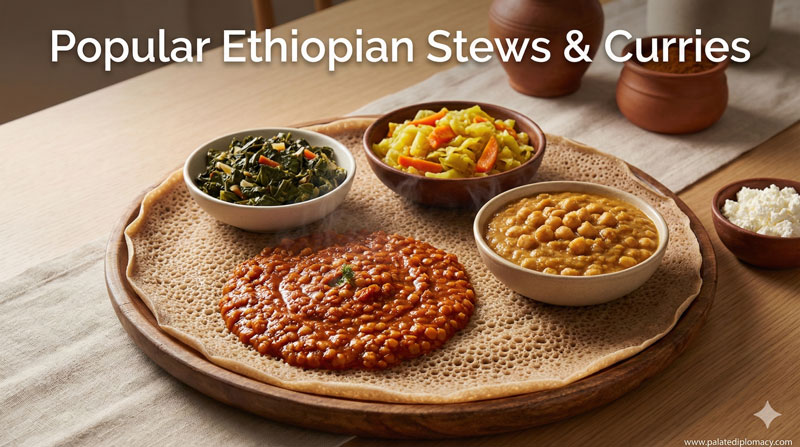
Kik Alicha is a mild yellow split pea stew. It blends onions, garlic, ginger, and turmeric into a comforting base. The spices are gentle, not hot, so the natural sweetness of the peas comes forward. The dish is often prepared with oil or a small amount of niter kibbeh for depth, but many homes make a fully plant-based version for everyday meals. Served with injera, the sour flatbread, Kik Alicha becomes part of a larger, shared meal that celebrates neighborhood, family, and tradition.
The Ingredients and the Way It Comes Together
Key ingredients are simple and bright: yellow split peas, onions, garlic, ginger, turmeric, cumin, and a splash of salt. Some cooks add a hint of coriander or a splash of olive oil for extra sheen. The process is smooth and rhythmic: sauté onions until they glow, stir in garlic and ginger, then fold in turmeric and other spices. Next, the peas join in, plus just enough water to let everything simmer into a creamy, tender collaboration. The result is a stew that feels light on the palate while still offering satisfying body and texture.
Cultural Significance
Kik Alicha embodies the beauty of everyday cooking. It is a dish families prepare to nourish one another and to mark simple, joyful moments. It is also a staple during special gatherings where injera is shared among friends and neighbors. The meal emphasizes balance, seasonality, and the pleasure of a well-made pot that brings people together. In homes across Ethiopia, Kik Alicha is a common, comforting option that highlights the region’s love of legume-based dishes and careful spice pairing. Its mild profile makes it accessible to all ages, inviting youngsters and elders to savor the same pot.
Serving Traditions and Pairings
Traditionally, Kik Alicha is served with injera, the spongy sour bread that acts as both plate and utensil. Diners tear a piece of injera and scoop the stew, letting the bread soak up the warm flavors. Often, other dishes sit nearby on the same platter, forming a colorful and fragrant spread. The pairing celebrates balance: the gentle, earthy peas meet the tangy, fermented bread, and the meal becomes a time to share and listen. A simple salad or fresh tomato wedges may accompany the plate, adding brightness to each bite.
Regional Variations and Personal Touches
Across households, you’ll find small variations that keep Kik Alicha fresh and personal. Some cooks use chickpeas in place of peas when the pantry calls for a swap; others stick to yellow split peas for their classic texture. Ginger can be emphasized more in some homes, while others rely on a smoother onion base. The level of salt and the amount of turmeric give each version its own character. These touches reflect regional ingredients, family preferences, and the everyday artistry of home cooks.
Tips for Home Cooks
- Soak yellow split peas briefly if you have time to speed tenderness.
- Start with a soft onion base, then build warm spice layers.
- Keep the heat low to avoid browning the peas too quickly; slow simmering yields creamier results.
- Use oil or a light butter substitute to keep the dish dairy-friendly or vegan, depending on your preference.
- Finish with a subtle pinch of salt and, if desired, a squeeze of fresh lemon to brighten flavors at the end.
- Serve with injera or warm bread to capture every spoonful.
Conclusion
Kik Alicha offers more than sustenance; it offers a sense of place, memory, and shared nourishment. Its mild, fragrant profile welcomes every palate and invites lingering conversations around the table. Through its simple ingredients and patient preparation, the dish reveals how culture can thrive in everyday meals. Enjoy Kik Alicha as a bridge to Ethiopian culinary heritage, a testament to careful technique, and a comforting reminder that good food comes from care, community, and the joy of cooking together.