
What is Kik Alicha?
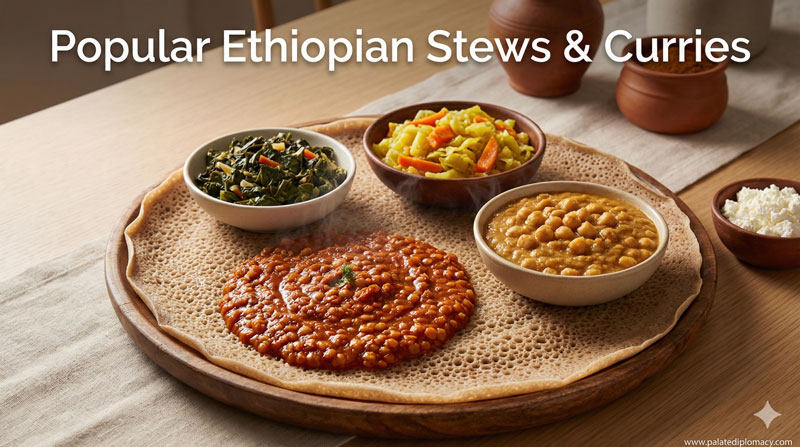
Kik Alicha is a gentle, comforting Ethiopian dish. It is a mild lentil or split-pea stew colored by turmeric. The flavors are soft and approachable, making it welcoming to both beginners and seasoned cooks. This dish shines in everyday meals and special gatherings alike, offering nourishment without heavy heat. Its name, Alicha, means plain or mild, highlighting its approachable character and universal appeal.
Cultural Significance in Ethiopian Cuisine
Kik Alicha sits at the heart of Ethiopian food culture. It accompanies injera, the spongy flatbread that forms the base for many meals. When families gather, Kik Alicha appears on the collective platter as a representation of warmth, care, and shared abundance. It reflects a cooking tradition that emphasizes balance, seasonality, and simplicity. The dish invites conversation and togetherness, turning a meal into a small ceremony of everyday life. Its presence on the table signals hospitality and generosity, two valued ideals in Ethiopian dining.
The Flavor and Ingredients
The beauty of Kik Alicha lies in its simplicity. Core ingredients typically include yellow split peas or lentils, onions, garlic, ginger, and turmeric. A mild blend of spices such as cumin and coriander often complements the base, while a gentle oil or clarified butter adds depth. The turmeric gives a sunny color and a warm, earthy aroma. Salt and a touch of sweetness from onions create a well-rounded taste. The texture is creamy yet light, with lentils or peas that soften to a comforting bite. Each bite reflects careful simmering and patience, revealing a dish that feels Like a quiet celebration of everyday ingredients.
How Kik Alicha Is Prepared
Begin with sautéing onions in oil until translucent and fragrant. Add minced garlic and ginger, then stir in turmeric and the optional spices. Rinse the lentils or split peas and add them to the pot with water or broth. Simmer gently until the legumes are tender and the flavors meld. A final simmer lets the sauce thicken just enough to coat the grains without becoming heavy. Finish with a drizzle of oil and a pinch of salt to taste. The process highlights calm, deliberate cooking and the joy of turning simple staples into a soothing dish.
Serving Traditions and Pairings
Kik Alicha is most often served with injera on a shared platter. It pairs beautifully with other stews and vegetables, offering a mild counterpoint that keeps the meal balanced. Fresh salads, gentle lentil salads, and plain yogurt can accompany the dish for texture and contrast. This combination showcases the Ethiopian love for color, aroma, and variety on the plate, while keeping the flavors harmonious and inviting.
Variations Across Regions
While the core idea remains the same, families across regions put their personal stamp on Kik Alicha. Some cooks use red lentils for a slightly different sweetness, while others stick with yellow split peas for a traditional light touch. Spice blends may vary in their warmth, but the overarching theme stays: a mild, comforting dish that respects and elevates the legumes’ natural flavor. This flexibility reflects the rich variety within Ethiopian home cooking.
Health and Nutrition
Kik Alicha is a plant-forward dish rich in fiber and plant protein. Lentils and split peas contribute steady energy, while onions, garlic, and ginger bring gentle, aromatic compounds linked to well-being. The dish is naturally low in saturated fat and adaptable to different dietary preferences. Its simplicity supports a wholesome, nourishing meal that respects the rhythm of home cooking.
Tips for Home Cooks
- Rinse lentils or peas well to keep the final texture tidy and bright.
- Toast spices briefly to wake their aroma before adding liquid.
- Taste as you go; a touch more salt or a splash of lemon can lift the dish beautifully.
- Use a light oil or ghee to keep the flavor gentle and clean.
- Leftovers store well in the fridge and can be reheated with a splash of water to restore creaminess.
A Quick Glance: Key Terms
- Alicha: a term meaning plain or mild, describing the dish’s gentle flavor.
- Injera: the sour, spongy flatbread that accompanies many Ethiopian meals.
- Lentils and split peas: the heart of Kik Alicha, providing protein, fiber, and body.
Conclusion
Kik Alicha invites us to savor the beauty of simple ingredients transformed with care. It embodies a spirit of hospitality, everyday nourishment, and shared enjoyment that is central to Ethiopian food culture. By focusing on balance, texture, and warmth, this dish offers a memorable entry into a cuisine that values community, patience, and the joy of a well-made meal. Whether you are new to Ethiopian cooking or revisiting a familiar favorite, Kik Alicha stands as a welcoming reminder of the grace found in humble, thoughtful cooking.