
Introduction
Kik Alicha invites you into the heart of Ethiopian home cooking. This dish centers on yellow split peas, grown, ground, and transformed with care. The name itself signals its character: kik means split peas, alicha means mild. The result is a soothing, golden-hued stew that complements the bright tang of injera. More than a recipe, Kik Alicha is a practice of balance, patience, and sharing. It embodies the warmth of a family meal and the everyday beauty found in simple ingredients.
What is Kik Alicha?
Kik Alicha is a mild Ethiopian stew built on yellow split peas. It relies on a gentle balance of aromatics and a touch of turmeric for color. Onions, garlic, and ginger provide sweetness and depth without overpowering the peas. The dishoften uses niter kibbeh, a spiced clarified butter, to finish with a soft, fragrant richness; in vegan versions, oil serves that purpose instead. The result is a creamy, thick stew with a pale gold tone and a comforting aroma that signals a welcome plate on the table. It is designed to pair with injera, the sour flatbread that carries and lifts the flavors.
Ingredients and Technique
The core ingredients are humble, yet they come alive through technique. Yellow split peas are rinsed and simmered until they are tender but still hold their shape. A separate aromatics base is prepared: onions caramelized to a soft sweetness, then garlic and ginger added for warmth. Turmeric provides color and a gentle earthiness. A small amount of spice is used, but the goal is restraint—Kik Alicha remains mild by design. If you choose the traditional path, a spoon of niter kibbeh adds depth and fragrance; if you prefer a vegan version, you can substitute with a good olive oil or another neutral oil. The two components come together and simmer, allowing the flavors to mingle and the peas to soften further, creating a comforting, cohesive pot.
Cultural Significance in Ethiopian Cuisine
In Ethiopian cooking, Kik Alicha plays a prominent role as a steadfast, everyday dish. It sits beside heartier stews on the injera platter, offering a gentle counterpoint to bolder flavors. The dish highlights the importance of legumes in sustaining meals with protein and nourishment. It also reflects the careful use of spices to create harmony rather than heat. Beyond taste, Kik Alicha embodies hospitality. When a family lays out an injera tray, every spoonful invites sharing and community. The mildness makes it approachable for all palates, inviting guests to savor the balance rather than to chase intensity. In many homes, preparing Kik Alicha is a ritual of patience—building flavor gradually and letting the ingredients listen to one another.
Serving Traditions and Pairings
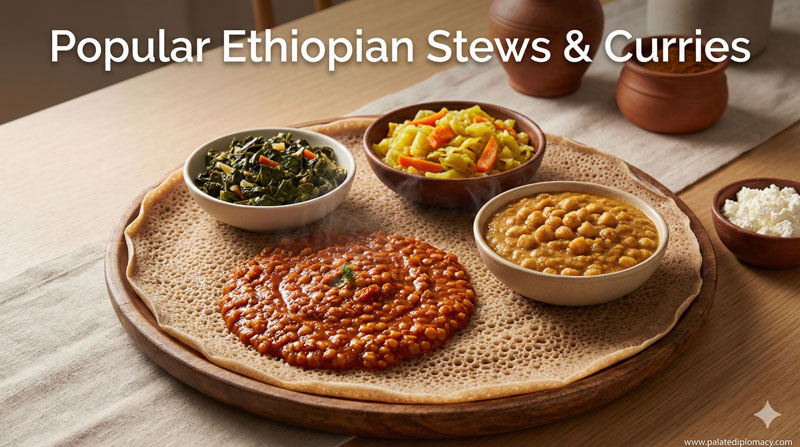
Kik Alicha shines when plated as part of a traditional injera-based meal. The pale, golden pot sits alongside other stews, lentils, and vegetables on a large flatbread. Diners scoop a portion of Kik Alicha with a piece of injera, letting the bread absorb the stew’s subtle sauce. The pairing elevates the meal through texture: the soft, spongy injera contrasts with the creamy peas. The aroma is equally important—garlic, ginger, and turmeric mingle in the steam, inviting everyone to gather and share. This dish also demonstrates balance on the plate: a mild base that counterpoints the brighter, robust flavors of other stews, creating a complete and harmonious tasting experience.
Regional Variations
While the core concept remains constant, households across Ethiopia adapt Kik Alicha to their liking. Some cooks emphasize zucchini or carrot for a touch of sweetness; others keep the peas pure and let the aromatics carry the flavor. The fat used to finish the dish varies as well—niter kibbeh for a traditional, dairy-rich note, or vegetable oil for a lighter texture. The thickness can range from soupier to more stew-like, depending on the amount of liquid and the length of simmering. These gentle differences reflect local tastes, seasonal produce, and the chef’s quiet instincts. The result is a family of dishes under one name, each with its own character while still upholding the same spirit.
How to Cherish Kik Alicha at Home
To honor Kik Alicha in your kitchen, start with fresh ingredients and a calm pace. Sauté onions slowly to develop sweetness, then fold in garlic, ginger, and turmeric to awaken the aroma. Add the pre-soaked or well-rinsed yellow split peas and enough liquid to let them soften without losing their shape. Let the mixture simmer until it becomes creamy and cohesive. Finish with a gentle touch of fat, whether butter or oil, to round the flavors. Serve with injera, share with friends or family, and enjoy the sense of belonging that comes from a well-prepared pot. If you crave a subtle upgrade, a whisper of cumin or coriander can be added, but keep it mild to preserve the dish’s signature gentleness.
A Taste of Culture and Craft
Kik Alicha is more than a recipe; it is a quiet celebration of everyday craft. It reflects a culinary philosophy that values balance, patience, and generosity. The dish teaches how simple ingredients can become comforting memories when treated with care. It reminds us that meals are moments of connection—eyes meeting across the table, hands reaching for shared food, and stories threaded through each bite. Embraced by cooks in Ethiopia and by those who treasure Ethiopian Cuisine, Kik Alicha stands as a testament to the beauty of thoughtful cooking and the joy of a well-tired spoon gliding through a bowl of warmth.