
What is Kik Alicha?
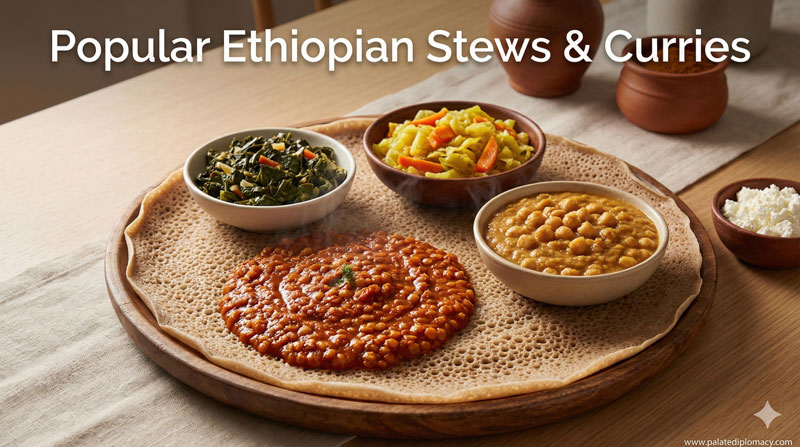
Kik Alicha is a beloved Ethiopian dish. It is a mild, comforting yellow split pea stew. The name alicha means plain or mild, which fits its gentle flavor. The dish sits alongside richer wots on an injera platter, inviting everyone to explore its delicate balance of spice and warmth.
The Ingredients that Define It
- Yellow split peas as the star, cooked until tender.
- Onions, garlic, and fresh ginger for a bright, layered aroma.
- Turmeric gives the golden color and a subtle earthiness.
- Mild spices such as cumin and coriander for depth without heat.
- Cooking fat choices include neutral oil or traditional niter kibbeh for a richer note.
- Salt to taste and a splash of water or broth to reach the right consistency.
These components come together to create a soothing dish that feels both wholesome and timeless. The result is a smooth, velvety stew with gentle spice and a comforting aroma.
The Cooking Method: A Gentle Simmer
First, sauté onions until they turn soft and translucent. Next, add garlic and ginger, releasing their fragrance. Then stir in the turmeric and other spices to wake their flavors. After that, mix in the yellow split peas and enough liquid to cover them. Finally, simmer slowly until the peas are fully tender and the sauce has a creamy texture. Serve warm and enjoy the simple, soothing finish.
Cultural Value and Culinary Significance
Kik Alicha holds a special place in Ethiopian food culture. It is crowd-pleasing yet quiet, inviting conversation as people share a meal. The dish reflects a preference for balanced flavors and careful technique. It demonstrates how simple ingredients can come together to create something comforting and nourishing. The calm, honey-like color of the stew mirrors the warmth of family meals and everyday hospitality. In many homes, Kik Alicha is a reliable favorite that travels well in a busy kitchen, sustaining conversations and togetherness.
Serving Traditions and Pairings
Serving Kik Alicha on injera is a joyful ritual. The soft bread acts as both plate and utensil, encouraging a tactile dining experience. It blends beautifully with other wots on a shared platter, or mezob, during gatherings. Pair it with a fresh salad or a light cabbage slaw for balance. A cup of hot tea or coffee can accompany the meal, completing the ritual of a calm, nourishing feast.
Regional Flavors and Variations
Different households put their own stamp on Kik Alicha. Some use a touch of fresh lime for brightness, while others rely on a longer simmer for extra creaminess. Some kitchens emphasize smoky notes with a hint of paprika or chili paste, while others keep the dish pristine and mild. Regardless of small differences, the core idea remains: a gentle, comforting pea stew that honors simple ingredients and careful prep.
Tips for Home Cooking
- Soak the split peas for a short time if you want faster, softer results.
- Keep the heat steady to avoid scorching the aromatics.
- Use oil for a clean, bright finish or niter kibbeh for a richer profile.
- Taste and adjust salt toward the end to preserve the stew’s gentle balance.
- Serve with injera or your favorite flatbread to savor the texture and flavor fully.
A Warm Invitation to Explore
Kik Alicha invites us to celebrate quiet, flavorful cooking. It showcases how patience and thoughtful seasoning bring out the best in everyday ingredients. The dish offers a bridge between home cooking and the larger tapestry of Ethiopian culinary culture. By savoring Kik Alicha, you enjoy not only taste but the beauty of shared meals and the welcoming spirit that accompanies them.