
A Complete Guide to Enjoying Kik Alicha Like a Local
Kik Alicha is a gentle yellow split pea stew, a beloved part of Ethiopian dining. Its soft texture and mild, comforting flavor invite slow eating and thoughtful tasting. This guide celebrates its cultural value and culinary significance. You will learn Why Locals treasure Kik Alicha, how it is prepared, and how it fits into shared meals. The focus stays on flavor, tradition, and the warm experience of family and friends gathered around the table.
What Kik Alicha Is
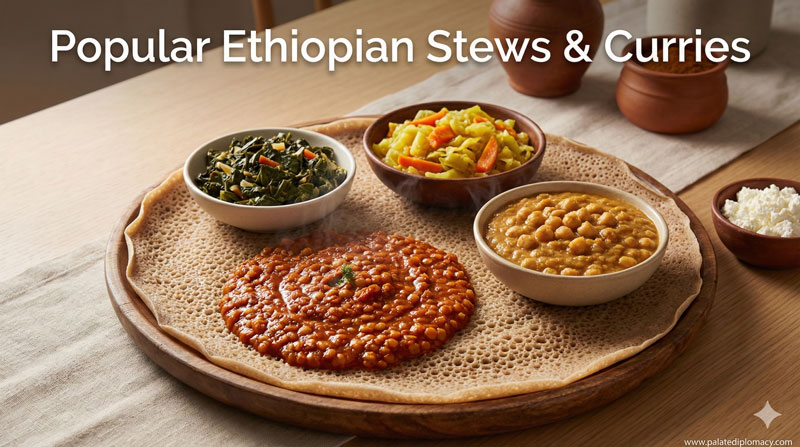
Kik Alicha is a simple yet expressive dish. Yellow split peas simmer until they soften into a creamy mash, while onions, garlic, and ginger build a fragrant base. Turmeric and a hint of cumin give a pale, sunlit color and gentle spice. Some cooks finish with a touch of oil or niter kibbeh for aroma, while others keep it vegan and dairy-free. The result is a balance of earthy legume sweetness and bright aromatics. The texture remains smooth, with a comforting bite that never overwhelms the palate. This dish embodies the idea that mild can be deeply satisfying.
Cultural Value on the Ethiopian Table
In Ethiopian homes, Kik Alicha anchors many meals. It appears during family gatherings, weekly suppers, and festive spreads. On fasting days, when meat is set aside, Kik Alicha shines as a nourishing, plant-based option that pairs beautifully with injera. It also serves as a gentle counterpart to spicier stews, offering balance and contrast on a shared plate. The dish invites conversation and connection, because everyone enjoys the same bowl of softly seasoned lentils. In short, Kik Alicha embodies hospitality: a warm welcome, a steady heartbeat of flavor, and a sense of care expressed in every spoonful.
Texture, Flavor, and Authentic Techniques
The hallmark of an authentic Kik Alicha is its creamy, not over-thick, texture. Start with a generous onion base; the sweetness from onions carries the dish. Ginger adds a lift, while garlic comforts with its familiar aroma. Turmeric provides color and a subtle earthiness without overpowering the peas. Gentle simmering allows the peas to break down naturally, creating a smooth edge rather than a mushy finish. If you use oil or butter, choose a mild one to keep the focus on the legume’s natural flavor. Finally, taste and adjust salt near the end so the dish stays bright and inviting. This approach preserves the dish’s comforting spirit while highlighting its clean, homestyle character.
Classic Pairings with Injera
Injera is the perfect partner for Kik Alicha. The sour, spongy bread acts as both utensil and accompaniment. You scoop Kik Alicha with your injera, then tear off a bite-sized piece of bread to scoop again. The tang of injera contrasts beautifully with Kik Alicha’s gentle sweetness. Together, they create a balanced mouthfeel: soft bread, creamy peas, and a mild, lingering finish. On a shared platter, this pairing invites leisurely savoring and encourages guests to sample a variety of flavors side by side. It is a simple, elegant harmony that shines at every table.
Preparing Kik Alicha at Home Like a Local
To capture the local spirit, approach preparation with patience and care.
- Rinse the yellow split peas and soak them briefly to reduce cooking time.
- In a pot, heat oil and sauté onions until they turn translucent and lightly caramelized.
- Add garlic and ginger, and stir until the aroma rises.
- Stir in turmeric and a pinch of cumin for warmth and color.
- Add the peas and enough water to cover them; simmer gently until the peas are creamy and tender.
- Season with salt toward the end to preserve brightness.
- For a richer note, finish with a drizzle of fresh oil or a small knob of niter kibbeh when appropriate.
With these steps, you capture the heart of the dish: simple ingredients treated with care, yielding a soothing and satisfying result.
Regional Variations and Seasonal Touches
Different households bring subtle variations to Kik Alicha. Some cooks add a touch of fresh turmeric near the end for extra color. Others blend in ground fenugreek or coriander to introduce a gentle spice note. The level of onion sweetness may vary, depending on the cook’s preference and the season. In some regions, cooks may use a light tomato touch, while others keep the recipe strictly onion-based to emphasize the pea’s natural flavor. Regardless of small changes, the core identity remains: a mild, creamy, comforting dish that centers on balance and warmth.
Serving and Etiquette for Shared Meals
When sharing Kik Alicha, present it in a communal dish or ladle portions onto the injera. Use the right hand to cup and scoop, a time-honored practice in many Ethiopian settings. Allow guests to serve themselves, then pass the platter with a graceful motion. Offer additional injera on the side, so everyone can adjust bites to taste. The friendly rhythm of passing plates, sharing flavors, and lingering over conversation adds to the dish’s beauty. The experience is less about speed and more about taking a moment to appreciate texture, aroma, and company.
Closing: A Dish That Speaks of Warmth
Kik Alicha invites you to slow down and savor the everyday beauty of home cooking. Its mild profile makes it approachable, while its depth of flavor reveals care and tradition. When you eat Kik Alicha with injera, you taste a quiet celebration of ingredients, technique, and community. By embracing its simple elegance, you join a timeless food culture that honors hospitality, balance, and the joy of a well-prepared meal. May your next tasting be as warm and inviting as a shared Ethiopian table.