
Introduction
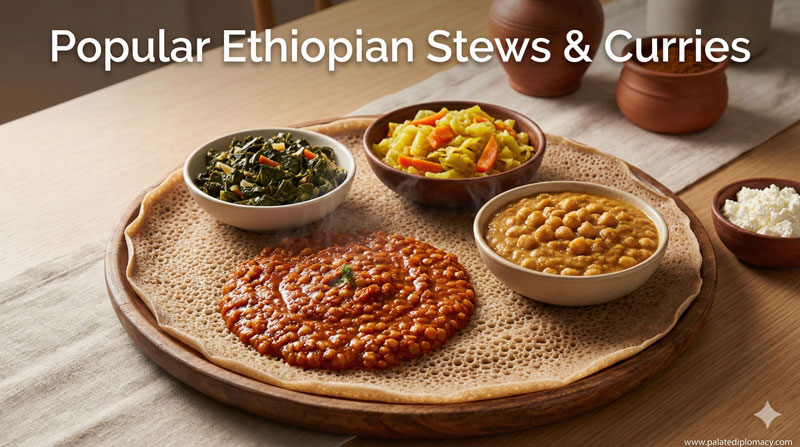
Kik Alicha is a bright, comforting Ethiopian dish built on yellow split peas and gentle spices. It shines in warmth and simplicity. This stew can center a meal with grace, offering a welcoming aroma and a smooth, mellow bite. In many homes, it stands beside other favorites on a shared platter, inviting bites with injera and conversation alike. Here is a complete guide to savoring Kik Alicha Like a local, with a focus on its cultural value and culinary significance.
The Flavor, The Color, and the Story
Kik Alicha delights the senses with a golden hue and a soft, inviting texture. The turmeric lends color and a subtle earthiness, while onion, garlic, and ginger weave a fragrant base. The result is gentle and satisfying, never harsh or spicy. This balance makes Kik Alicha a versatile dish for everyday meals and special gatherings alike. It invites slower, mindful tasting, allowing each ingredient to reveal its role.
Core Ingredients and What They Do
- Yellow split peas: provide the hearty body and a creamy center.
- Onions and garlic: form the aromatic foundation.
- Ginger: adds a clean, bright note.
- Turmeric: gives color and a mild, warm flavor.
- Oil or clarified fat: carries the flavors and helps soften the peas.
- Salt: enhances all the natural notes.
These elements combine to create a dish that feels both simple and thoughtful. The emphasis is on balance, not heat, so the eater can focus on texture, aroma, and the gentle sweetness of the peas.
How to Enjoy It Like a Local
- Serve with injera. This sour flatbread is the ideal utensil and accompaniment.
- Scoop and savor. Tear a piece of injera, pick up a portion with Kik Alicha, and carry it to your mouth in one thoughtful bite.
- Pair with other stews and salads. The mildness of Kik Alicha complements spicier or more robust dishes on the same platter.
- Take in the aroma as you eat. A moment of smelling the onions and turmeric enhances the tasting experience.
This dish often appears as part of a larger, inviting table where hands and conversation share the space. The practice of gathering around a communal plate adds to its cultural charm, highlighting hospitality, patience, and shared enjoyment.
The Cultural Pulse of Kik Alicha
Kik Alicha embodies everyday hospitality and family cooking. It is a vegetarian staple that many households prepare with pride. The dish travels lightly through seasons, remaining a comforting constant on the table. Its versatility makes it a bridge between simple nourishment and festive eating. By honoring the ingredients and the method, cooks keep a connection to traditional flavors while inviting new tasters to appreciate the care that goes into preparation.
Tips to Elevate Your Experience
- Bloom the spices. Allow the turmeric and aromatics to release their scent early in cooking for richer aroma.
- Let it rest briefly. A short pause after cooking lets flavors mingle and soften.
- Adjust textures. If you prefer a looser sauce, add a splash of water; for a firmer bite, cook a bit longer.
- Use quality ingredients. Fresh onions and good oil elevate the dish without needing extra heat or spices.
Pairings and Plate Share
- Injera remains the star partner. Its tangy character highlights Kik Alicha’s mellow sweetness.
- Fresh salads and lightly dressed greens add brightness and balance.
- A simple coffee or tea can accompany a relaxed meal, enhancing the overall dining rhythm.
Closing Thoughts
Kik Alicha offers more than nourishment; it offers a window into everyday culinary life. Its gentle flavors, warm color, and shared dining style celebrate simplicity, care, and togetherness. By savoring Kik Alicha, you honor a timeless approach to food—where balance, hospitality, and seasonal ingredients come together on a single plate. Enjoy it slowly, with respect for its place in the kitchen and in the heart of the table.