
A Complete Guide to Enjoying Kik Alicha Like a Local
Kik Alicha, a gentle yellow split-pea stew, graces many Ethiopian tables. This dish embodies warmth, patience, and shared meals. In this guide, you will explore its cultural value and culinary significance. You will learn how a simple pot can reflect home, hospitality, and daily life around injera. Welcome to a flavorful, respectful journey.
What is Kik Alicha? A Mild Ethiopian Stew
Yellow split peas form the heart of Kik Alicha. Cooks simmer them with onions, garlic, ginger, and turmeric until the peas soften into a creamy texture. The dish stays gentle in spice, living up to the name alicha, which means mild. A pop of bright color comes from turmeric. The result is comforting, nourishing, and easy to share.
The Core Flavors: Color, Aroma, and Texture
Expect a pale golden hue, a mellow sweetness, and a savory, comforting aroma. The onions caramelize and mingle with turmeric, adding depth without heat. The peas become tender, offering a creamy bite. Together, these elements create balance that invites slow, mindful tasting. Each mouthful reveals a quiet brightness that pairs well with sour injera.
Cultural Value: Sharing, Hospitality, and Everyday Life
Kik Alicha plays a central role in Ethiopian dining. It accompanies other stews on the injera platter and marks both everyday meals and festive tables. Families prepare it to welcome guests, nurture conversation, and honor patience in cooking. The dish embodies a spirit of care and generosity, making a table feel warm and inviting.
How to Enjoy It Like a Local: A Simple, Satisfying Ritual
First, tear a piece of injera. Then scoop Kik Alicha with the bread. Next, taste slowly, letting the turmeric glow mingle with onion sweetness. Finally, pair a bite with a small amount of injera, appreciating the balance between creamy peas and sour flatbread. This rhythm makes every meal feel thoughtful and true to tradition.
Pairings and Serving Ideas: The Perfect Plate
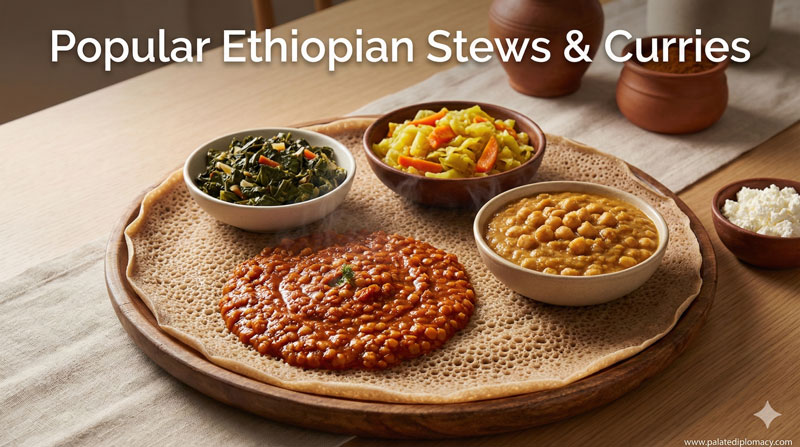
Serve Kik Alicha with injera as the main platform. Add a crisp salad of onions and tomatoes for brightness. A little ayib cheese or a light pickle can offer a tangy contrast. Keep a small plate of hot pepper sauce on the side for those who want a gentle kick. The combination highlights texture and harmony at the table.
Cooking Tips: Ready to Cook at Home
Soak the split peas briefly if you like; rinse well. Cook slowly with onions until soft. Use niter kibbeh or olive oil for depth. Adjust salt to taste. If you prefer extra creaminess, mash a portion of the peas gently. Finish with a touch of fresh lemon for lift.
Regional Twists: Variations Across the Table
Across households, you may find small variations. Some add ginger or garlic more boldly; others include a hint of cumin. Some use butter or niter kibbeh to finish; others rely on olive oil. Each variation keeps Kik Alicha gentle and comforting, while honoring personal family preferences and seasonal produce.
Final Thoughts: Embracing the Gentle Taste of Kik Alicha
Kik Alicha invites you to slow down and savor. It showcases how simple ingredients become a story on the plate. The dish teaches patience, generosity, and appreciation for a shared meal. Enjoy it often, and celebrate the beauty of Ethiopian food culture.