
A Complete Guide to Enjoying Kik Alicha Like a Local
Kik Alicha is a gentle, comforting Ethiopian dish. It centers on yellow split peas. The flavors are mellow and warm, built with onion, garlic, ginger, and turmeric. The result is a nourishing stew that shines when paired with injera, the famous airy flatbread.
What makes Kik Alicha unique
This dish stands out for its delicate profile. It relies on a bright turmeric color and a soft, creamy texture. Each bite balances sweetness from onions with the earthy notes of peas. The spice is restrained, inviting you to taste the peas first. This restraint makes Kik Alicha a favorite for meals that celebrate balance and harmony at the table.
The flavors, textures, and technique
Turmeric gives the signature yellow hue. Slow sautéed onions form a sweet base. Garlic and ginger add warmth without heat. The peas simmer gently until tender, absorbing the aromatics. The finish is light, often finished with a touch of oil or niter kibbeh for richness. The texture is creamy yet still distinct, with each pea holding its shape. This contrast makes the dish comforting and satisfying.
Cultural value at the heart of a meal
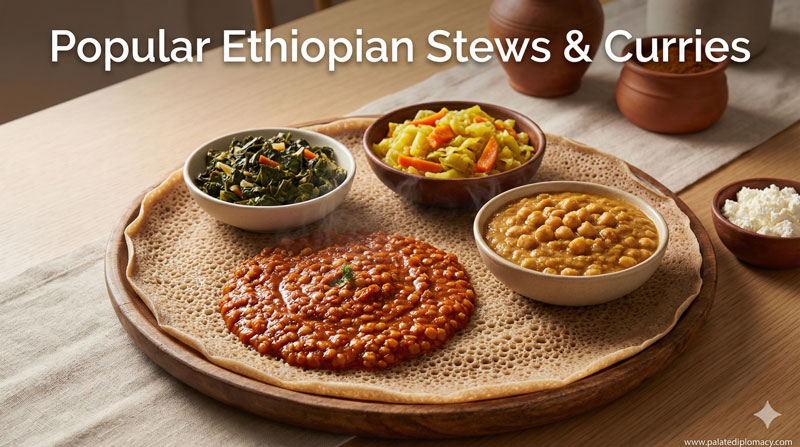
Kik Alicha often appears as a staple component of an injera-centered meal. It embodies the idea of sharing a table and a moment of calm savoring. The dish invites conversation and presence, letting guests dip bits of injera into the pot and taste the steady, soothing flavors. Its simplicity highlights the care that goes into everyday cooking and the joy of a well-assembled plate.
How to enjoy Kik Alicha like a local
Begin with a piece of injera, slightly torn to form a pocket for scooping. Scoop a small amount of Kik Alicha and place it on the injera. Fold or roll the injera to create a bite that carries both bread and stew. Take time to notice the gentle sweetness of the peas and the aromatic hints from garlic, ginger, and turmeric. Alternate bites with other mild stews or salads on the same platter to balance flavors. This method encourages mindful tasting and shared delight.
Regional and household variations
While the core is consistent, households and regions can add subtle differences. Some cooks enrich the mix with a light butter or oil to deepen the gloss of the sauce. Others may adjust the onion-to-pea ratio to create a thicker or lighter texture. Even with variations, the essence remains: a mild, comforting dish that complements the bright, sour notes of injera.
Pairings and serving suggestions
Serve Kik Alicha alongside other light stews on injera. The combination creates a symphony of textures. A simple salad or fresh tomato-cucumber mix can brighten the plate between bites. Lemon wedges offer a gentle brightness if you prefer a citrus lift. These additions keep the meal balanced and inviting.
Shopping and cooking tips for a home kitchen
Choose yellow split peas that are clean and uniform. Rinse well before cooking. Soaking for 30–60 minutes can shorten cooking time. Use a wide pot to prevent sticking and allow the peas to soften evenly. Start with a gentle sauté of onions, then add garlic and ginger. Stir in turmeric and the peas, add liquid, and simmer until creamy but with some bite left to the peas. Season to taste with salt and a light drizzle of oil at the end for a glossy finish.
A note on etiquette and enjoying the dish
Kik Alicha invites respectful sharing. When you invite others to the table, serve portions that allow everyone to take turns trying a bit of everything. The dish shines when enjoyed slowly, allowing the bright colors and comforting textures to come through in each bite.
Why Kik Alicha matters to food culture
The dish embodies a philosophy of balance and generosity. Its gentle approach to spice signals hospitality and care. As part of a larger injera feast, Kik Alicha teaches how simple ingredients can become a centerpiece through patient preparation. The result is a dish that feels Like a warm welcome, inviting long meals and friendly conversation around the table.
Final thoughts
Enjoying Kik Alicha like a local means savoring its calm, creamy texture and its subtle, comforting flavors. It is more than a recipe; it is a quiet ceremony of nourishment, shared with family and friends. When you cook and Eat It, you participate in a timeless tradition of hospitality, skill, and joy in everyday cooking.