
Introduction
Everything You Need to Know About Kik Alicha invites you into a gentle, fragrant corner of Ethiopian cooking. This dish shines with simplicity and warmth. It speaks of everyday hospitality, shared meals, and the careful balance of flavors that makes Ethiopian food so inviting. You will taste the soft sweetness of yellow split peas, the aroma of onions and ginger, and the bright lift of turmeric. The result is comforting, nourishing, and quietly celebratory.
What is Kik Alicha?
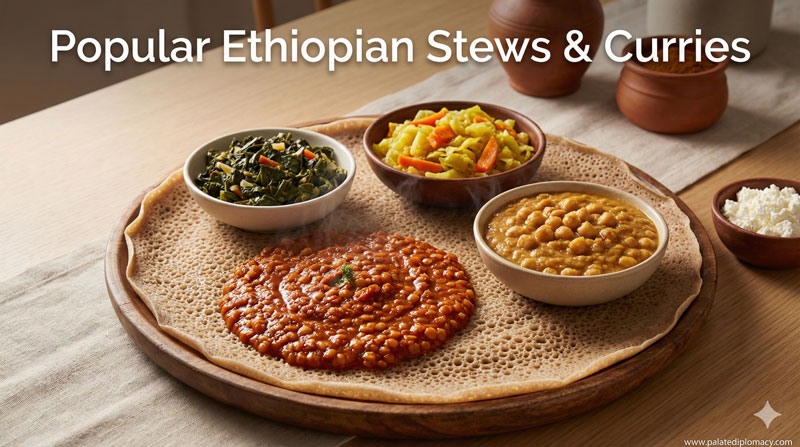
Kik Alicha is a traditional Ethiopian stew made from yellow split peas. It is known for its mild, comforting character, often described as “alicha” or gentle heat. The texture is creamy and approachable, letting the natural flavor of the peas come forward. Aromatic onions, garlic, and ginger form a fragrant base, while turmeric adds a sunny color and subtle depth. Many cooks finish the dish with a small amount of clarified butter or oil to give a gentle, glossy finish. It is a staple on the injera platter, offering a soothing contrast to bolder wats.
Cultural value
Kik Alicha embodies the spirit of Ethiopian hospitality. It appears at everyday meals as well as special gatherings, laid out on a shared injera flatbread. The dish is inclusive in nature: its mild profile makes it accessible to all ages and appetites, inviting everyone to savor and linger over the table. In homes and communities, Kik Alicha is a reliable comfort food that travels well from kitchen to table, carrying with it memories of family, friends, and good conversation. The dish also reflects a cultural preference for balance and harmony on the plate, where flavors support one another rather than overpower.
Key ingredients and technique
- Yellow split peas: the star, cooked until creamy and tender.
- Onions: sautéed until soft and sweet.
- Garlic and ginger: provide a bright, aromatic backbone.
- Turmeric: for color and a warm, earthy note.
- Optional fats: a touch of niter kibbeh (spiced Ethiopian butter) or a neutral oil to finish.
- Salt and water: to bring everything together and achieve the right consistency.
Preparation basics:
– Sauté onions until they glow and soften.
– Add garlic and ginger, then turmeric, to bloom the spices.
– Stir in yellow split peas and enough water to simmer gently.
– Cook until the peas are soft and the mixture becomes creamy.
– Finish with a small amount of fat for gloss and aroma.
Flavor profile and sensory experience
The flavor is inviting and mellow. The turmeric lends a soft yellow hue and a subtle earthiness. Onions provide sweetness, while garlic and ginger give fresh, clean notes. The peas offer a nutty background that ties everything together. The result is a dish that feels comforting on a cool day and refreshing in a bright, sunny meal. The aroma is warm and welcoming, drawing people to the table with anticipation.
Serving traditions
Kik Alicha is typically served on a large injera platter alongside other wats and salads. Its mild nature makes it a versatile partner, balancing spicier dishes and adding variety to the spread. It pairs beautifully with a cool beverage and offers a gentle counterpoint to richer flavors on the plate. When shared with family and friends, the dish reinforces the sense of coming together around food.
Variations and regional twists
Cooks often adapt Kik Alicha to personal taste or regional ingredients. Some use different types of split peas, while others retain the yellow color with additional spices or a touch of tomato. The use of niter kibbeh or olive oil can vary by household, giving a richer or lighter finish. Although the core remains the same, these small choices reflect local preferences and the cook’s creativity.
Tips for cooking at home
- Start with a soft onion base to let sweetness develop.
- Use turmeric to achieve the classic pale yellow appearance.
- If you prefer a richer aroma, finish with a small amount of spiced butter (niter kibbeh).
- Adjust texture by adding a little more water and simmering longer for extra creaminess.
- Serve with injera to honor tradition and enhance the dining experience.
Why Kik Alicha matters in food culture
Kik Alicha matters because it represents balance, care, and generosity in cooking. It demonstrates how simple ingredients—peppers, legumes, onions, and a few spices—can combine into a dish that feels comforting and refined. The dish invites participation: cooks of all levels can contribute, from pounding onions to measuring spices, and everyone can share in the warmth of a communal meal. In its quiet elegance, Kik Alicha highlights the beauty of everyday food as culture, memory, and welcome.
Closing thoughts
Kik Alicha is more than a recipe; it is a doorway into a tradition that values harmony, family, and shared meals. Its gentle flavors, approachable texture, and cultural significance make it a beloved staple in Ethiopian cuisine. Whether you are new to this dish or returning to it, Kik Alicha offers a comforting, flavorful experience that reminds us of the joy found around the table.