
Kluski Śląskie is more than a meal. It is a gentle thread that runs through Polish family life. The dish speaks of care, skill, and shared moments in the kitchen. In each bite, you taste tradition, seasonality, and the quiet joy of everyday cooking.
What Are Kluski Śląskie?
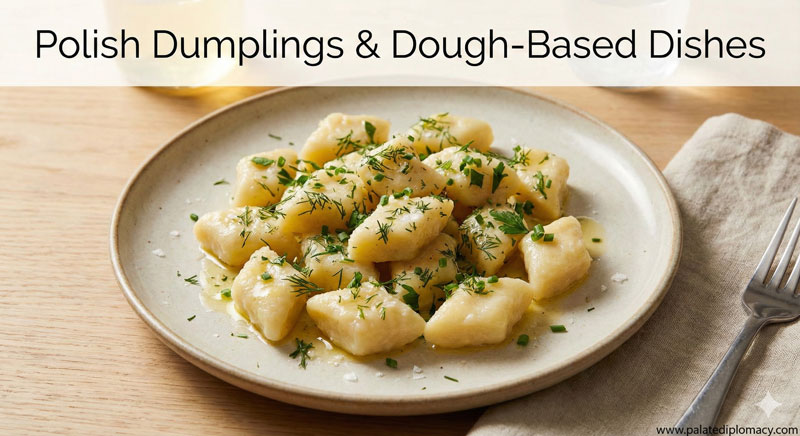
Kluski Śląskie are a kind of potato dumpling from the Silesia region. They combine mashed potato, a touch of flour or starch, and sometimes egg. The dough is shaped into small, round pillows with a tiny indentation in the center. That dip is more than decoration—it cradles sauce and adds texture. The dumplings are boiled until they float, then served hot with a savory sauce. The result is bright inside, with a soft, yielding outside. This simple form carries a surprising depth of flavor and a reassuring, homey aroma.
The Craft and Texture
The craft of Kluski Śląskie blends technique with affection. First, cooks achieve a fluffy mash that still holds together. Next, they fold in just enough flour or starch to bind the dough without making it heavy. Then comes shaping: small balls are rolled and pressed to create that familiar center hollow. The indentation is deliberate, inviting sauce to cling. Finally, the dumplings float to the surface as they cook, signaling readiness. The texture is the heart of the dish—airy inside, with a delicate bite on the edge. When prepared with care, each dumpling feels Like a small, comforting sculpture.
Serving Traditions and Pairings
Tradition guides how Kluski Śląskie appear on the table. They typically accompany rich gravies, mushroom sauces, or roasted meats. A touch of browned butter and onions often joins the plate, adding sweetness and depth. The dumplings are meant to mingle with sauce, soaking up flavors without losing their gentle structure. They shine when shared, inviting conversation and anticipation as plates pass from person to person. The pairing of dumplings with a savory sauce creates a balanced meal that feels complete.
The Cultural Heart of Silesia
In Polish homes, Kluski Śląskie embody regional pride and family memory. The dish reflects the abundance of potatoes and the crafts passed down through generations. Grandmothers teach the rhythm: boil, mash, mix, shape, and boil again. Fathers and siblings lend hands, turning a quiet kitchen into a small, festive workshop. The dumplings become a symbol of togetherness, a way to honor simple ingredients by giving them time, patience, and care. This ritual of cooking binds generations and keeps a living link to place and tradition.
Modern Takes and Regional Variations
Today, cooks honor tradition while inviting fresh textures and flavors. Some households adjust the flour-to-potato ratio for a firmer bite; others favor more potato, yielding a lighter dumpling. A few families enrich the dough with a splash of cream or a pinch of nutmeg for warmth. Yet the core remains the same: a soft, indented dumpling that carries sauce gracefully. Across Polish kitchens, small regional touches reflect local tastes, weather, and family stories, while the essence of the dish stays constant.
How to Appreciate Kluski Śląskie
Appreciation begins with the first steam-warm bite. Notice the gentle sweetness of the potato and the way the center holds sauce. Your senses connect with a memory of kin and kitchen chatter. Sharing Kluski Śląskie invites generosity, patience, and a quiet celebration of everyday life. Whether enjoyed at Home, in a restaurant, or during a family gathering, the dish offers a welcoming invitation to pause, savor, and be present.
In inviting you to explore Kluski Śląskie, I hope you sense not just a recipe, but a culture’s gentle art: transforming humble ingredients into a meaningful, delicious experience.