
Discover the Unique Taste of Kopytka in Poland
Kopytka is a beloved Polish potato dumpling that shines in many kitchens. Its soft, comforting texture and simple ingredients tell a story of home cooking and shared meals. This dish invites you to slow down, savor the moment, and notice how a few staple ingredients can become a symbol of togetherness. In Poland, kopytka sits at the heart of family tables, festive lunches, and quiet weekend dinners alike. Its gentle flavors welcome all ages and seasons.
What Are Kopytka?
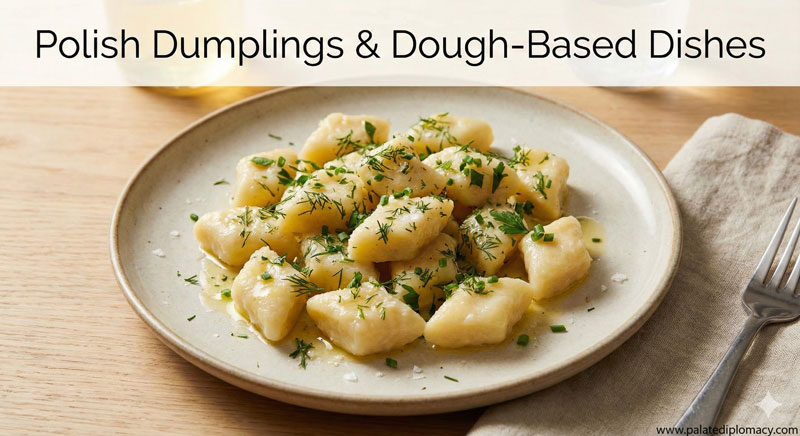
Kopytka are small, tender dumplings made from cooked potatoes, flour, and a touch of egg. The name hints at a playful shape, and many home cooks press the dough with a fork to create ridges that catch sauces beautifully. The result is a dumpling with a delicate bite and a mild potato sweetness. This dish is a staple of Polish comfort food and a classic example of how everyday ingredients can yield something satisfying and distinctive.
A Simple Dish with Deep Roots
The beauty of kopytka lies in its simplicity. It emerged from kitchens where farmers and families used what the pantry could offer. Potatoes, flour, and eggs form the foundation, but the heart of the dish is in the way it is served. The dumplings can be plain, then dressed with butter and toasted breadcrumbs, or paired with meat sauces, mushrooms, or sweet accompaniments. Each serving presents a new texture contrast and a fresh way to experience the same core flavor.
How It Is Made: Ingredients and Technique
To craft kopytka, you begin with light, fluffy mashed potatoes. Mix in flour and a pinch of salt, and add an egg to bring the dough together. The goal is a soft, pliable dough that holds its shape. Roll small portions into ropes, cut into bite-sized pieces, and lightly press with a fork to create ridges. Boil until they rise to the surface, then drain gently. Finish with a sizzle of butter and a sprinkle of toasted breadcrumbs for extra aroma and texture. The technique is approachable, and with practice, the dumplings become perfectly tender each time.
Regional Variations Across Poland
Across Poland, families put their own stamp on kopytka. Some regions favor a smoother texture, while others lean into a firmer bite. Toppings vary by season and mood: a simple brown butter with breadcrumbs, a mushroom or meat sauce, or a dusting of sugar with cinnamon for a sweet twist. In some villages, bakers and grandmothers share subtle differences in flour types or resting times. These variations highlight how a single dish can reflect local farms, family rituals, and seasonal ingredients, creating a tapestry of flavors that feels both intimate and wide-reaching.
Serving Traditions and Flavors
Kopytka shines in scenes of everyday life and festive tables alike. Families often gather to prepare dough together, turning cooking time into a brief ritual of care and collaboration. The dumplings are versatile on the plate: light and comforting with butter and breadcrumbs, rich with hearty sauces, or gently sweet with a sprinkle of sugar. The aroma of simmering butter and toasty crumbs fills the room and signals a moment of connection—an invitation to pause, share, and savor.
The Cultural Value in Polish Homes
Beyond flavor, kopytka embodies hospitality and memory. It is a dish that travels through generations, carried in stories and handed-down techniques. Preparing kopytka together creates a sense of continuity, linking children with grandparents and friends with neighbors. The dish also reflects seasonal rhythms—harvest time often brings potatoes to the kitchen, and winter menus invite cozy, comforting meals. In this way, kopytka is not just food; it is a living tradition that celebrates warmth, skill, and togetherness.
Preserving a Timeless Favorite
To keep this dish vibrant in Modern kitchens, many cooks adapt techniques while honoring the core idea: simple ingredients, careful preparation, and shared moments. Whether you follow a family recipe or explore regional nuances, kopytka invites curiosity about Polish food culture. It stands as a gentle reminder that everyday cooking can carry meaning, beauty, and connection across generations. The Unique Taste of kopytka remains a welcoming doorway into Poland’s rich culinary landscape.