
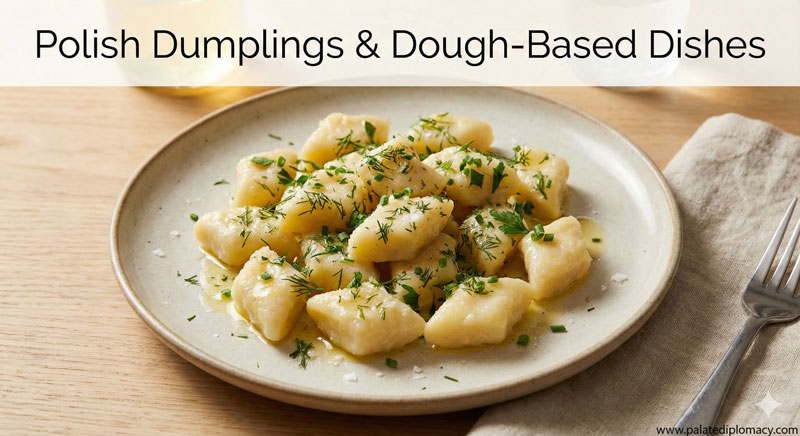
The Story Behind Kopytka, a Polish Food Favorite
Kopytka are soft potato dumplings that hold a beloved place in Polish kitchens. Their name hints at a playful shape, inspired by small, rounded forms that resemble hooves. The dish speaks to simplicity and care: a few pantry staples come together to create something warm and inviting. In homes and on table tops, kopytka tell a story of family meals, shared skills, and steady tradition. They invite cooks of all ages to join in, learning by doing and savoring the rewards of patience, repetition, and love of good food.
The Essence of Polish Comfort
Kopytka embody a quiet, enduring comfort. The texture is tender, with a gentle chew that comes from well-handled dough and careful cooking. Each bite carries the aroma of boiled potatoes and lightly seasoned flour, a reminder of everyday meals that feel generous and satisfying. This dish shines in its adaptability: it can be plated simply, dressed with a touch of butter, or paired with richer sauces. Its strength lies in how quietly it respects local ingredients while inviting chefs to add personal touches. It is a true reflection of Polish culinary sensibility—humble ingredients, clear flavors, and a sense of hospitality.
The Making: Simple Ingredients, Timeless Technique
The heart of kopytka rests on a few dependable ingredients: cooked potatoes, flour, a pinch of salt, and sometimes an egg to bind. The process is straightforward and accessible:
– Boil or bake potatoes, then mash until smooth.
– Let the mash cool a moment, then mix with flour and salt; add an egg if the dough feels stiff.
– Gently knead just until cohesive, avoiding excess worked dough.
– Roll into ropes and cut into small pieces.
– Boil in salted water until they rise to the surface, then drain.
This technique favors a light touch and patient hands. When done well, the dumplings glide on the tongue with a clean potato flavor that invites the imagination to pair with many accompaniments.
Regional Flavors and Serving Traditions
Across Poland, cooks tailor kopytka to local tastes and seasonal ingredients. Common variations keep the dish faithful to its roots while offering small, meaningful differences:
– Classic serving: toss with melted butter and a sprinkle of breadcrumbs that turn golden in the pan.
– Savory pairing: mushroom or onion sauces, sour cream, or a light cheese drizzle.
– Textural twists: a brief toast of breadcrumbs or poppy seeds for extra crunch and aroma.
– Sweet version: a dusting of sugar, cinnamon, or a touch of vanilla to highlight a gentle dessert-like side.
These options show how a single dish can adapt to different meals—lunch, dinner, or a comforting end to a busy day—without losing its core character. The result is a dish that feels familiar yet invites culinary curiosity.
A Dish for Every Season
Kopytka suit all seasons, turning humble ingredients into a flexible centerpiece. In cooler months, they pair beautifully with rich sauces and hearty vegetables, offering warmth and nourishment. In brighter seasons, they can be lighter, with a delicate butter and herb finish or a simple yogurt–herb dressing. The dish also fits into daily routines and special occasions alike: a reliable weeknight option, a comforting Sunday tradition, or a shared plate at a family gathering. Its versatility helps it remain relevant and cherished, season after season.
Caring for the Craft: Passing It On
This dish thrives when shared. The making of kopytka is a gentle craft that often travels from grandparent to grandchild, from neighbor to friend. With each batch, cooks pass along tips for achieving the perfect dough, guidance on rolling thickness, and ideas for sauces. Leftover dumplings freeze well, preserving a moment of home-cooked warmth for another day. By inviting others to join at the counter or the table, families keep the tradition alive, inviting new palates to discover the subtle beauty of Polish comfort food.
If you are curious about exploring Polish Cuisine, start with kopytka. Simple ingredients, thoughtful preparation, and a convivial spirit come together to celebrate a dish that is as much about people as it is about plates. This is The Story of a humble dumpling that enriches meals and bonds generations through taste, technique, and shared delight.