
The Story Behind Kopytka, a Polish Food Favorite
Kopytka sits at the heart of Polish kitchen tables. It is a dish that invites all generations to gather, share a meal, and celebrate the simple joy of good ingredients transformed by careful hands. The Story of kopytka is the story of everyday life—humble potatoes, flour, and a touch of patience coming together to warm a family’s moment around the table. It is a dish that travels seamlessly from a cozy family lunch to a seasonal feast, always carrying a sense of welcome and comfort.
What Are Kopytka? A Simple Yet Beloved Dumpling
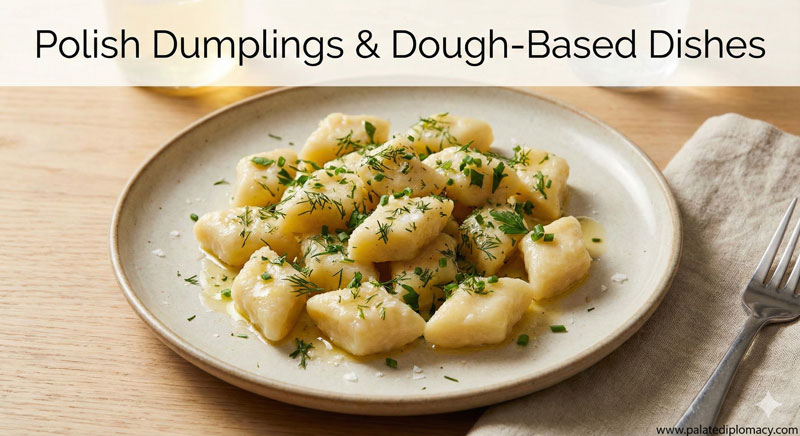
Kopytka are soft, dumpling-like morsels made from potatoes, flour, and often a beaten egg. The dough is gently formed into small, fingerlike shapes that resemble tiny footprints. The name itself hints at their playful origin and the way the bite-sized pieces invite you to savor each mouthful. Their appeal lies in a neutral, comforting base that pairs beautifully with a wide array of toppings and sauces.
The Craft: How Kopytka Is Made
Cooks begin with potatoes that are well cooked and skipped through a ricer or mashed to a smooth texture. The potatoes are cooled, then mixed with flour and a hint of egg to bind the dough. The dough is kneaded just enough to hold together, then rolled into a log and cut into small diamonds or fingerlike shapes. Boiling follows, in salted water, until the kopytka rise to the surface. A quick drain seals in their tenderness, and they are ready to dress with butter, herbs, or a savory sauce. For extra depth, some cooks lightly fry the boiled pieces in butter to add a gentle toasty note.
Tradition and Family: Cooking as a Shared Ritual
Kopytka is a dish that families often prepare together. Children learn the rhythm of the dough, the feel of the shape, and the patience of letting each piece reach its ideal tenderness. Recipes pass from generation to generation, with little twists that reflect a household’s tastes. The ritual feels timeless: a quiet moment of connection as ingredients become something warmer than their separate parts. In this way, kopytka carries memory as surely as flavor.
Regional Flavors: Variations Across Poland
Across Poland, cooks bring subtle regional differences to kopytka. Some kitchens favor a touch more flour for a slightly firmer bite, while others lean into a lighter, almost melt-in-the-mouth texture. Toppings reflect local tastes and seasonal produce. Sweet versions pair butter with sugar or a sprinkle of cinnamon, while savory versions lean on mushroom sauces, browned onions, or sour cream. The result is a versatile canvas that echoes local pantry greens without losing its gentle identity.
Savory and Sweet Traditions: Serving Ideas
Kopytka shines with both savory and sweet accompaniments. A classic pairing is melted butter with a dusting of sugar, a simple yet irresistible balance of fat and sweetness. For richer flavors, a mushroom or herb-infused sauce adds depth. A breadcrumbs-and-brown-butter topping brings a warm crunch, while poppy seeds with honey offer a Nordic-inspired sweetness. These combinations demonstrate how a single dish can be a neutral stage for many tastes.
The Taste and Texture: Why It Endures
The appeal of kopytka lies in its texture: a tender interior that feels almost airy, paired with a slight chew at the exterior. The mild potato base acts as a sponge for sauces and toppings, letting herbs, butter, and pepper share the spotlight. This balance makes kopytka comforting without being heavy, and flexible enough to suit both everyday meals and special occasions.
A Dish for All Tables: Occasions and Memories
Kopytka is well suited to casual lunches and festive dinners alike. It adapts to the rhythm of the day, whether served with a quick pan sauce after a busy morning, or as part of a longer meal that gathers friends and neighbors. The dish invites conversation, a shared plate, and a sense of belonging at the table. It is a reminder that good food often speaks softly, but with real warmth.
Caring for Your Kopytka: Tips for Perfection
To perfect kopytka, start with well-cooked potatoes that are cooled before mixing. Avoid overworking the dough to keep them light. Slice the dough evenly and dust lightly with flour to prevent sticking. Cook in a wide pot with ample water and a pinch of salt, then lift with a slotted spoon to keep their shape. If you won’t serve them right away, freeze shaped dough on a tray, then transfer to a bag for later cooking.
A Modern Twist: Keeping Kopytka Fresh in Today’s Kitchens
Today, kopytka adapts beautifully to contemporary kitchens. You can explore gluten-free versions with rice or corn flour, or experiment with herbs folded into the dough for fragrant bites. The dish remains deeply rooted in tradition while embracing new textures and colors. Whether you keep it classic or give it a fresh twist, kopytka continues to celebrate Polish culinary craft with grace and warmth.