
The Story Behind Kopytka, a Polish Food Favorite
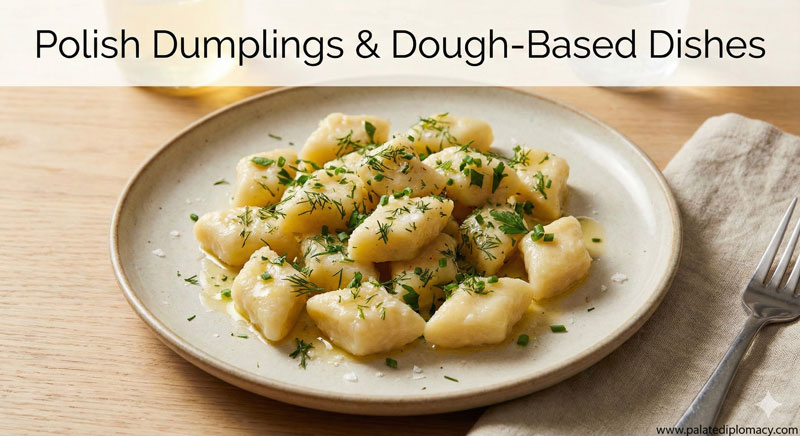
Kopytka are soft potato dumplings that arrive at the table with warmth and quiet charm. in Polish kitchens, they symbolize comfort, everyday artistry, and a shared love of good food. The name kopytka comes from kopyta, the Polish word for hooves, a playful nod to the dumplings’ little, hoof-like shapes. They invite gentle curiosity: a few simple ingredients, a careful hand, and a dish that feels both familiar and slightly magical. This is a dish that proves how a few pantry staples can become something deeply meaningful when they meet skill and care.
Simple Roots: Ingredients and Technique
The core of kopytka rests on potatoes, flour, a pinch of salt, and sometimes a small egg. Some cooks craft a version without egg, letting the starch do the binding. Begin by boiling potatoes until they are soft, then drain and mash until smooth. Let the mash cool just a bit, then blend in flour and salt, adding an egg if you choose. Knead softly until the dough comes together and feels tender, not stiff. Roll the dough into a long rope, and cut it into small pieces—rectangles or diamonds that hold their shape. A gentle press helps them keep a neat silhouette.
Boiling brings kopytka to life. Drop the pieces into salted water, and watch for them to rise to the surface. Scoop them out with a slotted spoon as soon as they float, and they are ready to become a plateful of comfort. The technique is quiet and rewarding: patience, light hands, and a sense that simple steps can yield generous texture.
Crafting Kopytka: From Dough to Dumpling
The journey from dough to dumpling invites a little playfulness and a lot of care. After boiling, many households give kopytka a quick finish in a skillet with butter. The butter adds a whisper of nutty aroma and a touch of color, while breadcrumbs tossed in the pan add a welcome crunch. This step enriches the experience, turning soft dumplings into something with a touch of texture and a subtle toastiness.
Shape matters, too. The diamonds or small rectangles reveal themselves as you cup the dumplings in your hand, each piece a tiny canvas for sauce and warmth. The result feels almost ceremonial: a simple act of shaping becomes a moment of shared dining, where everyone lines up to savor a plate of gold-tinted, pillowy morsels.
A Dish for All Seasons: Serving and Pairings
Kopytka shine in many guises, which is part of their timeless appeal. Serve them hot with browned butter and toasted breadcrumbs for a classic, comforting presentation. A mushroom sauce or a light meat gravy pairs beautifully with the potato dumplings, letting the dough soak up savory notes without losing its gentle texture. Some prefer a bright contrast: a spoonful of sour cream or a sprinkle of chives adds a fresh, tangy edge.
There are also sweeter routes. A light dusting of sugar and cinnamon, or a spoon of fruit compote, can turn kopytka into a comforting dessert or a cozy, end-of-meal treat. The versatility is a reminder that a well-made dumpling can adapt to many moods and menus, from a hearty main to a delicate, sweet finish.
Shared Moments: The Cultural Value of Kopytka
Beyond taste, kopytka carry cultural value that resonates in homes and kitchens across Poland. They are a dish that invites hands-on participation, often carefully handed down from one cook to the next. Preparing kopytka becomes a family ritual: children learn to roll dough, cut shapes, and watch dumplings float to the surface. The process teaches patience, pride, and the joy of shared effort.
Kopytka also reflect the spirit of Polish hospitality. When guests arrive, a warm pot of dumplings signals welcome and care. The dish fits a range of occasions, from everyday meals to casual gatherings with friends. Its humble origins—potatoes, flour, and a little butter—grow into a thread that connects generations through flavor, technique, and memory.
Regional Twists: Variations Across Poland
Across regions, cooks bring small twists to the kopytka recipe while preserving its essence. Some use a touch more flour for a firmer dough, while others favor slightly softer dough for a more delicate bite. Egg can be added or omitted, depending on preference and tradition. A few households enrich the dough with a hint of nutmeg or white pepper, a subtle spice that nods to regional palates.
Serving styles also vary. In some areas, kopytka pair with hearty mushroom gravies and brown butter, while in others they meet a lighter, herb-strewn sauce. A sprinkle of breadcrumbs, toasted to a golden crunch, appears in many kitchens. Glazing the dumplings with a spoonful of melted butter creates a glossy finish that invites the next bite. These gentle differences celebrate local tastes while keeping the dish instantly recognizable as kopytka.
A Timeless Favorite: Why It Endures
Kopytka endure because they celebrate simplicity, adaptability, and warmth. The dish honors staples that are often close at hand, turning them into something comforting and complete. It invites cooks to trust their senses—taste the dough, feel the texture, listen for the sound of dumplings cooking in simmering water. The result is both a testament to tradition and a canvas for personal touches.
Finally, kopytka remind us that food can carry culture without complexity. A familiar shape, a soft bite, and a homey aroma create a sense of belonging. They invite us to slow down, enjoy the craft, and share a plate with others. In that space between act and memory, kopytka hold a quiet, eloquent beauty that makes Polish culinary culture feel approachable, generous, and inviting for everyone who sits at the table.