
Introduction: Why Makowiec Captures the Polish Kitchen
Makowiec, the beloved poppy seed roll, has a gentle power in Polish cooking. It appears in quiet mornings and festive tables alike. The dish invites slow appreciation: a soft, scented dough, a treasure of seeds, and the warm glow of honey and citrus. Its appeal grows because it blends simple ingredients into a graceful whole. In Poland, makowiec is more than a pastry; it is a reflection of care, craft, and a shared sense of belonging around the kitchen table.
What Makowiec Is and How It Feels
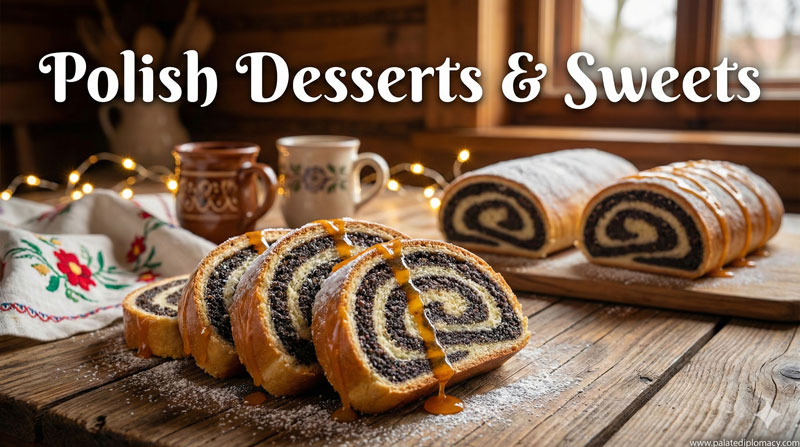
Makowiec is a rolled pastry filled with poppy seeds, often enriched with honey, nuts, dried fruit, and citrus zest. The dough can be light and airy or slightly bread-like, while the filling yields a creamy, nutty bite with tiny crunches from seeds and fruit. When sliced, the spiral reveals a story of texture and aroma. The scent of freshly baked dough, sweet seeds, and citrus lingers, inviting conversation and comfort. The dish embodies balance: gentle sweetness, nutty depth, and a delicate crumb that holds its shape as you lift a slice to the lips.
A Dish Built on Shared Moments
In Polish homes, makowiec is a dish made for moments with others. It arrives at family gatherings, markets, and bakery windows with quiet anticipation. Bakers take pride in shaping a perfect spiral, ensuring even moisture and a tender bite. Families savor it alongside tea or coffee, letting the flavors unfold slowly. This is not a hurried treat; it is a plate that invites conversation, pauses for reflection, and a sense of continuity between generations. The dish earns its place by cultivating small rituals—slicing, sharing, admiring the pattern, and offering a slice to someone nearby.
The Craft: From Seed to Slice
The craft of makowiec rests on two gentle acts: preparing the dough and creating the poppy seed filling. The dough is warmed by patience: yeast wakes, butter or oil lends richness, and the dough rests to become soft and pliable. The poppy seed filling blends ground seeds with honey or sugar, a touch of water or milk, and often almonds, walnuts, or raisins for texture. Citrus zest adds brightness. The roll is formed with care, filling spread evenly, then rolled into a tight spiral. A final kiss of heat seals the moment in time. When baked, the outer layer becomes gold with a sheen of glaze or a dusting of sugar, while the inside stays moist and fragrant. The result is a pastry that carries both sweetness and depth in every bite.
Regional Voices: Variations Across Poland
Poland’s regions add their own voice to makowiec. In the south, some bakers enrich the filling with almonds and a touch of cinnamon, creating a warmer spice note. In the north, citrus zest may take a brighter role, echoing fresh seaside markets. In central cities, you might find equal harmony between seeds and fruit, with a lighter dough that showcases the filling’s texture. Local traditions also shape presentation: some bakers glaze the roll with a thin sugar glaze, while others keep a matte finish that highlights the spiral pattern. This regional variety keeps the dish lively, allowing each kitchen to tell its own story within a shared beloved formula.
Makowiec in Celebrations and Seasonal Moments
Makowiec has earned a special seat at seasonal tables. It is a familiar sight on Christmas Eve trays, where a slice is shared among family and friends as part of a generous spread. It also appears during springtime feasts, where the bright flavors of poppy seeds complement fresh conversations and lighter desserts. The dish carries a mood of sweetness that suits quiet mornings, brunches, and afternoon gatherings. Across moments big and small, makowiec offers a comforting rhythm—the same spiral, the same warm aroma—reminding everyone of continuity and care.
Pairings, Presentation, and Gentle Pleasures
Serve makowiec in thick, even slices to showcase the spiral. It pairs beautifully with robust tea, dark coffee, or a small glass of milk. A simple dusting of powdered sugar or a light glaze can enhance the shine without overpowering the filling. Plating on a wooden board or a china plate adds a touch of tradition and warmth. For a refined touch, offer a side of fresh fruit or a drizzle of honey to heighten the sweetness. These small choices elevate the experience while staying true to the dish’s humble charm.
How to Begin the Makowiec Journey at Home
If you want to explore makowiec in your own kitchen, start with a calm plan. Gather a soft dough base and a fragrant poppy seed filling. Keep the process gentle: let the dough rise slowly, grind seeds to a fine, creamy paste, and blend in honey and fruit pieces until you’re satisfied with texture. Roll the dough with the filling into a tight spiral, and bake until the crust glows golden. Let it rest briefly after baking to keep the filling moist but firm. A well-made makowiec invites you to slow down, notice its aroma, and savor the balance of flavors in each slice.
The Cultural Gift of Makowiec
Makowiec speaks softly of Polish culinary culture. It signals hospitality, patience, and a love for well-made food that endures over time. The dish embodies a shared kitchen wisdom: good dough, careful filling, and quiet attention to detail yield something that nourishes more than the body. When people come together to prepare, bake, and share makowiec, they celebrate a cuisine that respects tradition while inviting personal touch. In this light, makowiec is a must-try dish not only for its taste but for its gentle cultural voice—the way it invites us to notice, to care, and to enjoy the rhythm of daily life through a beloved pastry.