
Introduction
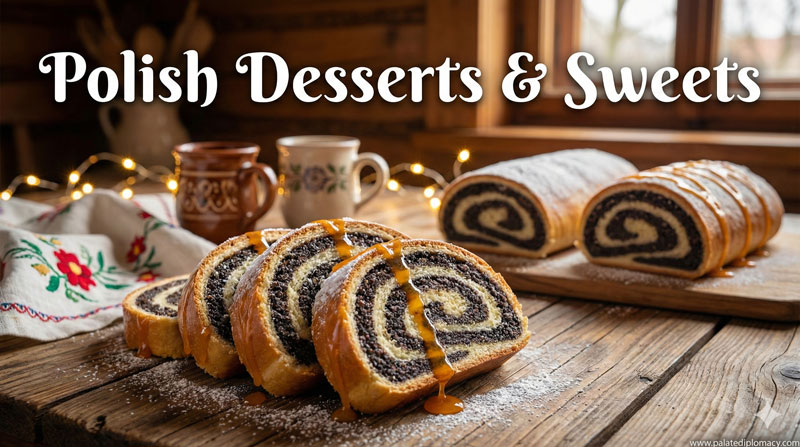
This post explores how Makowiec became a must-try dish in Poland. The journey is warm and inviting. It highlights culture, craft, and the joy of sharing. Makowiec starts with a simple dough and a fragrant poppy seed filling. From there, it grows into a beloved tradition on festive tables and quiet family moments alike. The Story is about taste, memory, and the beauty of careful baking.
Origins and Tradition
Makowiec speaks to Polish pastry roots. Bakers have long loved the balance of dough and seeds. The roll is often tied to celebrations, especially in holiday seasons. Families pass down the recipe with care, adapting it with love and small touches. This recurring presence in kitchens helps Makowiec feel familiar, reliable, and special. The discipline of kneading, rolling, and waiting for the dough to rise forms part of the dish’s cultural rhythm.
The Craft of Makowiec
The craft hinges on two parts: a soft yeast dough and a rich poppy seed filling. The dough wears a light, airy texture, achieved by proper fermentation and gentle handling. The filling blends ground poppy seeds with honey or sugar, dried fruit, nuts, and citrus zest. Each baker adds A Unique note, yet the core is the same: a sweet, nutty center wrapped in a warm blanket of dough. The rolling process requires balance and patience, turning raw ingredients into a graceful spiral.
The Filling: Poppy Seeds as a Polish Signature
Poppy seeds give Makowiec its distinct character. They bring a subtle, nutty flavor and a gentle crunch. In many recipes, honey enhances the seeds with floral sweetness. Raisins, walnuts, and citrus zest brighten the mix. This combination mirrors Polish pantry staples: simple, high-quality ingredients that shine when paired well. The result is a filling that feels both comforting and refined, inviting savoring bite after bite.
Makowiec in Contemporary Polish Tables
Today, Makowiec appears in bakeries, cafes, and homes across Poland. It graces Sunday breakfasts, holiday spreads, and midweek treats. Modern versions celebrate tradition while embracing lighter textures or brighter fillings. Yet the heart remains the same: a cake that gathers people. Its presence signals welcome and a moment to pause and enjoy craftsmanship. The dish adapts without losing its essential identity.
Serving, Sharing, and Rituals
Serve Makowiec in thick slices, often with tea or coffee. The aroma fills the room and sparks conversation. Families gather to cut, taste, and reflect on memories. The act of sharing reinforces belonging and warmth. Each slice carries a hint of nostalgia, a promise of sweetness, and a bridge between generations.
A Symbol of Craft and Community
Makowiec embodies patience, skill, and care. Bakers honor a tradition that celebrates everyday talent and generosity. The dish invites curiosity about technique, ingredients, and regional twists. It stands as a quiet celebration of Polish food culture— approachable, elegant, and deeply meaningful. In this way, Makowiec earns its status as a must-try dish.
Conclusion
Makowiec’s rise to must-try status comes from its harmony of flavor, technique, and togetherness. It links kitchen craft with family moments and festive cheer. The dish invites everyone to savor a slice of Polish culinary care. In every bite, you taste history shaped by cooks who value quality, balance, and shared joy.