
Introduction
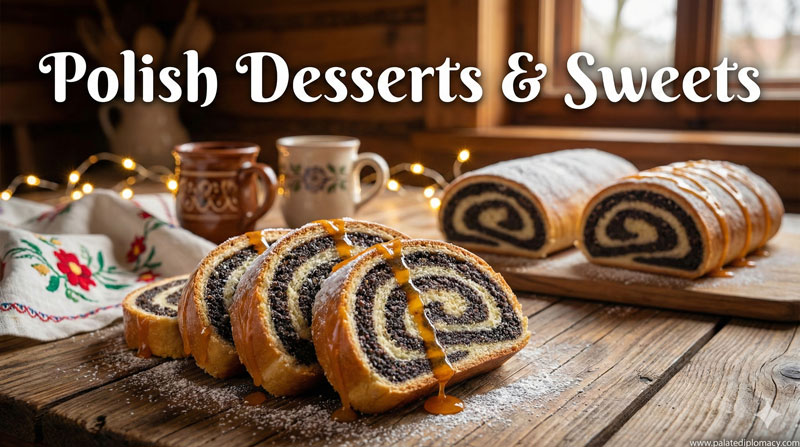
Makowiec, the beloved poppy seed roll, holds a special place in Poland’s culinary heart. This treat invites the senses with a warm aroma, tender dough, and a filling that shines with toasted poppy seeds and honey. It is more than a pastry; it is a bridge between generations, a quiet ritual that brings family and friends to the table. Tonight, we explore how Makowiec became a must-try dish in Poland, celebrated for its cultural value and culinary significance.
Origins and Craft
in Polish baking, poppy seeds have long earned a revered spot. Bakers refine them into a paste that glows with a subtle sweetness and a gentle, nutty bite. The dough behind Makowiec is enriched with butter, eggs, and a touch of yeast, creating a soft, cloud-like crumb. The filling blends ground poppy seeds with milk, honey, sugar, and often chopped nuts or raisins for depth. Orange or lemon zest adds a bright lift that contrasts beautifully with the proud richness of the seeds. The craft lies in coaxing the dough to embrace the filling evenly, then rolling it into a proud log and baking it to a glossy finish. The result is a harmony of textures: a soft outer layer encasing a fragrant, slightly grainy heart.
The Makowiec’s Place in Polish Table
Makowiec belongs to moments of gathering. It graces Easter tables, where its pale exterior and fragrant interior symbolize renewal, light, and sweetness. It also features in winter celebrations, where its comfort-food appeal warms the home. In bakeries, Makowiec often stands in a display case Like a quiet ambassador for Polish pastry artistry. Sharing a slice expresses hospitality and care, inviting guests to slow down and savor a moment together. The pastry’s golden crust, specks of poppy, and honeyed aroma evoke memories of family kitchens and neighborhood conversations. This social role—comfort, conversation, and connection—gives Makowiec its enduring cultural value.
The Making: Techniques and Flavor
The process centers on balance. Start with a soft, pliable dough and a filling that is neither too dry nor too wet. The poppy seed paste should cling to the dough just enough to stay cohesive during rolling. Rolling is a gentle art: roll the dough into a rectangle, spread the filling evenly, then roll it up lengthwise to form a log. Bake until the crust reddens slightly and the aroma fills the room. A glaze or a light dusting of powdered sugar often finishes the surface, enhancing the sweet scent of citrus zest and toasted seeds. Each bite offers a chorus of flavors: the honeyed sweetness, the peppery warmth of seeds, and the buttery tenderness of the dough. The technique invites patience and care, rewarding cooks with a pastry that remains tender and festive long after it leaves the oven.
Regional Variations Across Poland
Poland’s regions offer subtle twists on Makowiec. In some locales, bakers fold in extra nuts or raisins for a crunch and chew. Others add candied peel or a hint of cinnamon for warmth. The dough itself can vary from a rich, buttery version to a lighter, airy crumb, depending on local preferences and traditions. Some areas favor a smaller, more intimate roll, while others present a larger loaf for family celebrations. Yet across these differences, the core identity remains: a pastry that centers around the poppy seed filling, a gentle sweetness, and a proud, ringed shape that travels well from oven to table.
Makowiec in Modern Poland: From Bakeries to Home Kitchens
Today, Makowiec travels easily from busy bakeries to quiet home kitchens. In Poland’s cities and towns, bakery windows showcase this roll with pride, inviting passersby to pause and consider a moment of indulgence. Home cooks experiment with fillings, sharing new variants online and in family cookbooks. The pastry adapts to seasons and celebrations, always keeping the same essential charm: a fragrant reminder of hospitality, togetherness, and the joy of a well-made dessert. Pair it with tea or coffee, and the experience becomes a small ceremony—an invitation to slow down, listen to stories, and enjoy a sweet thread that ties generations together.
Conclusion
Makowiec stands as a symbol of Polish warmth, craft, and culinary care. Its appeal lies in the simple elegance of its balance: soft dough, a fragrant poppy seed filling, and a touch of honey and citrus that lifts every bite. It is a dish that welcomes people to the table, invites storytelling, and honors tradition while embracing new interpretations. For anyone curious about Polish food culture, Makowiec offers a delicious entry point—a must-try that speaks softly but clearly about shared joy, family rituals, and the beauty of a well-made pastry.