
How Makowiec Became a Must-Try Dish in Poland
Makowiec is more than a pastry. It is a warm doorway into Polish baking, a rolled celebration of texture and aroma. In homes and bakeries across the country, this poppy seed cake invites a closer look at how simple ingredients can become something cherished. The journey of Makowiec is a story of craft, patience, and a shared love for sweets that linger gently on the palate.
The Craft Behind Makowiec: Dough, Filling, and Texture
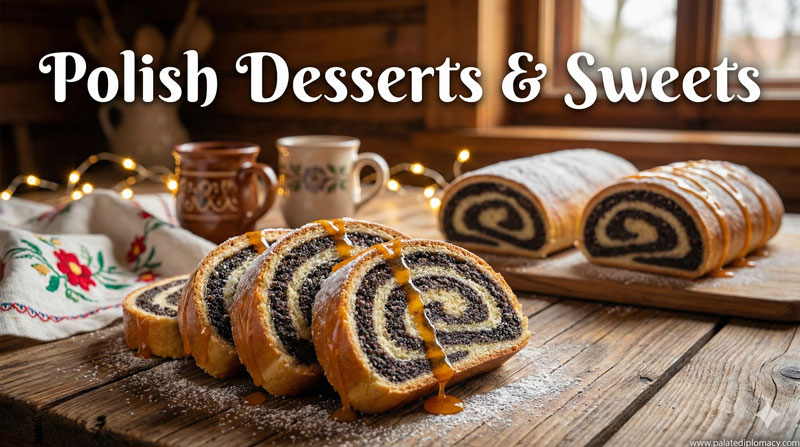
The heart of Makowiec lies in its balance. A soft, supple dough provides a canvas, while a rich, deeply flavored filling supplies the character. Bakers often start with a yeast-based dough. It rises slowly, gaining a delicate air and a tender crumb. The filling blends ground poppy seeds with honey or sugar, and often includes raisins, walnuts, or citrus zest. A hint of vanilla or almond can accent the poppy’s nutty notes. Rolling the dough evenly ensures the filling distributes in ribbons of flavor. When baked, the crust turns a pale golden, while the interior remains moist and fragrant.
To finish, many households dust the loaf with sugar or drizzle a light glaze. The result is a harmony of textures: a gentle bite from the crust, a creamy, grainy sweetness from the poppy seed layer, and a lasting sweet note that doesn’t overwhelm. The aromas—citrus, honey, and warm bread—carry the promise of comfort and hospitality. This careful layering is what makes Makowiec feel both timeless and approachable.
Regional Varieties and Seasonal Traditions
Poland’s regions shape Makowiec in delicious ways. In the central plains, bakers favor a classic poppy filling with a hint of citrus. In the south, cooks may add chopped nuts or raisins for extra depth. Some coastal traditions weave in subtle hints of vanilla or almond to brighten the seed flavor. The dough itself can vary from a tender yeast-based base to a slightly sweeter, enriched version that feels almost pastry-like. These regional touches preserve a shared core—poppy seeds, honey, and a soft roll—but celebrate local tastes.
Seasonally, Makowiec shines on winter holidays and festive gatherings. Its presence on a Christmas Eve table is a signal of warmth and generosity. Families slice the loaf for tea after a day of celebrations, letting the cake’s gentle sweetness mingle with conversation. In spring, a lighter Makowiec can appear at family lunches and Sunday brunches, offering a comforting, familiar flavor that still feels fresh. Across the year, Makowiec travels from bakery windows to kitchen tables, always inviting a moment of pause and gratitude for good food.
Makowiec in Celebrations: Family, Festivals, and Everyday Moments
Makowiec holds a place in both large celebrations and everyday rituals. In bakeries, the sight of a neatly rolled Makowiec can signal a seasonal shift or a new batch pulled from the oven. In homes, slicing and sharing the cake becomes a quiet act of care. Children may tuck a piece into lunch boxes, while grandparents recount stories tied to family meals. The cake’s gentle sweetness helps punctuate conversations, turning simple moments into memories.
Culturally, Makowiec represents hospitality. Offering a slice to guests feels natural, a small gesture that says, “Welcome, and enjoy.” The cake’s presence at gatherings strengthens a sense of togetherness, linking generations through a shared taste. Its beauty—visible in the spiral of the roll and the even distribution of seeds—also invites appreciation for the craft of baking itself. In this way, Makowiec becomes a living tradition, passed along through kitchens and conversations.
Pairings and Serving Traditions
Makowiec pairs beautifully with the quiet rituals of tea and coffee. A cup of black tea or a brewed coffee complements the cake’s sweetness without overpowering it. A light fruit compote or fresh berries can offer a bright contrast that refreshes the palate between bites. Finely sliced, Makowiec reveals its interior layers, making each piece feel Like a small treasure. Serving it with a dollop of whipped cream or a spoonful of yogurt is optional, but it can elevate the experience for special occasions. The key is to let the cake speak for itself, while a warm beverage carries its comforting profile toward a satisfying finish.
Modern Twists: Innovation in Polish Pastry
Today’s bakers explore Makowiec with thoughtful updates. Some experiment with whole-grain flours for a heartier bite, while others introduce almond or walnut fillings to broaden texture. Vegan and dairy-free versions show how the pastry can adapt without losing its character. A modern touch might include a light citrus glaze or a ribbon of dark chocolate that complements the poppy flavor. Yet, even with these twists, the essence remains: a rolled treasure that respects tradition while welcoming curiosity. These innovations keep Makowiec relevant and inviting to new generations of bakers and tasters.
Bringing Makowiec Home: A Practical Guide to Enjoyment
If you’re curious to explore Makowiec, start with a visit to a local bakery or a kitchen where a family recipe has status. Choose a loaf with a generous distribution of poppy seeds and a soft, even crust. Take time to observe the aroma as it bakes—the warmth and sweetness signal a well-made cake. When you slice it, notice the spiral of seeds and the gentle moisture inside. Pair it with your favorite tea, and let the flavors unfold slowly.
For those who want to try a home version, begin with a simple, reliable dough and a classic poppy filling. Plan ahead: dough needs time to rise, and the filling benefits from a gentle simmer to soften any coarse elements. Then roll, fill, and bake with care. The magic lies in patience and respect for the ingredients. With each bite, Makowiec reveals its cultural value: a shared pastry that celebrates flavor, fellowship, and the quiet beauty of Polish baking.