
The Story Behind a Popular Snack
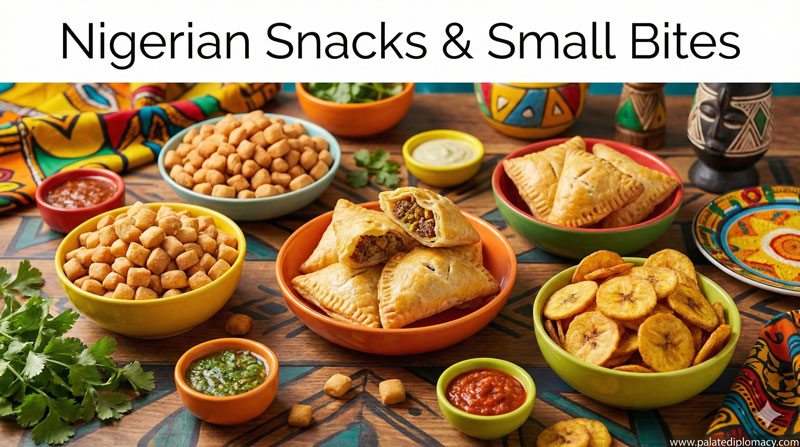
Meat pie has become a beloved feature in Nigerian cuisine, appearing in markets, homes, and social gatherings. Its appeal lies in a simple idea: a savory filling tucked inside a warm, golden crust. The dish travels easily from hands to mouth, making it a practical and comforting option for busy days and shared moments. In many homes, meat pie is a go-to snack that fits into school lunches, family picnics, and weekend rituals. Its popularity grows from clear flavors, reliable textures, and the joy of sharing good food with others. The result is a dish that feels familiar, inviting, and proudly Nigerian.
The Craft of the Crust
The crust plays a crucial role in the meat pie experience. Bakers blend flour, fat, and just enough water to form a sturdy, tender shell. The dough rests, then rolls out to encase a juicy filling. Edges are crimped or sealed with a fork to keep the filling inside. The pie bakes to a glossy, honey-gold crust that stays crisp on the outside while staying soft and savory inside. This balance—crisp exterior, flavorful interior—defines the craft of Nigerian meat pie. A well-made crust supports the filling and invites the first, satisfying bite.
A Taste of Identity: Cultural Value
Meat pie embodies comfort, care, and shared moments. It is made and shared across generations, turning everyday meals into small celebrations. In markets and street corners, the scent of spiced beef, onions, and garlic greets shoppers and neighbors, sparking friendly conversations. Families bake meat pies for birthdays, visits, and school events, turning food into a language of affection. The dish also serves as a bridge between kitchens, inviting cooks to share tips, tweaks, and family secrets. In this way, meat pie holds a place of respect in Nigerian Food Culture, simply by being a reliable anchor for togetherness.
Regional Variations and Flavor Profiles
Across Nigeria, meat pie shows small but meaningful regional twists. In some towns, pepper and curry give the filling a lively kick, while in others the spice balance leans milder and more aromatic. Fillings often include ground beef, onions, carrots, and peas, but cooks may vary the mix with chicken, fish, or even plant-based options. The crust remains the unifying element, yet some kitchens opt for a slightly crisper bite or a softer, flakier touch. These variations celebrate local taste preferences while preserving the dish’s recognizable silhouette and comforting essence.
Social Settings and Everyday Moments
Meat pie fits into many daily rituals. It pairs well with tea in the morning, a refreshing drink at midday, or a light bite during an afternoon break. It also shines at gatherings, where guests appreciate its portability and satisfying flavor. For children and adults alike, a warm meat pie offers a moment of nourishment and delight. This versatility deepens its cultural value, as the dish becomes a reliable companion during workdays, school days, and weekend relaxations.
Modern Twists and Culinary Significance
Today’s Nigerian cooks explore new expressions of meat pie while honoring its core identity. Some choose leaner fillings or healthier crust options, inviting more people to enjoy the dish without compromising taste. Others experiment with alternative proteins or vegetable-forward fillings, keeping the experience familiar but fresh. Regardless of twist, the meat pie remains a staple that signals care, hospitality, and shared enjoyment. Its culinary significance endures because it adapts without losing the comforting, dependable character that many Nigerians recognize and love.
Conclusion: A Delicate Thread in Nigerian Food Culture
The popularity of meat pie in Nigerian cuisine rests on its reliable texture, bold yet balanced flavors, and the warmth it brings to everyday moments. It is a dish that travels through markets, homes, schools, and celebrations, weaving itself into many parts of daily life. By honoring skilful crust work, thoughtful fillings, and the joy of sharing, meat pie stands as a vivid example of how Nigerian food culture celebrates taste, craft, and community. In every bite, the dish tells a story of care, connection, and the enduring beauty of home-cooked nourishment.