
Introduction
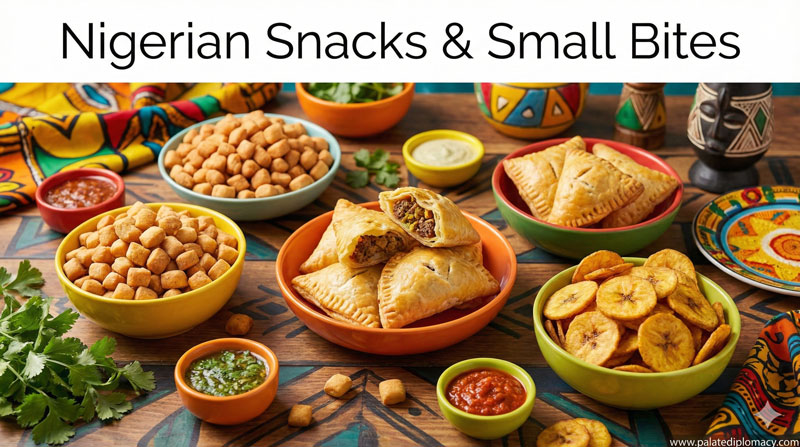
Meat pie stands out as a beloved feature of Nigerian Food Culture. It is a warm, portable pastry that many families welcome at gatherings, markets, and busy weekdays. The dish blends comfort and craft: a crisp, golden crust encasing a savory filling that speaks to everyday cooking done with care. Its popularity comes from more than taste; it arrives with memories of shared lunches, school breaks, and friendly exchanges at street corners. In Nigeria, meat pie is a quiet celebration of home cooking that travels well from kitchen to table, inviting everyone to pause, savor, and smile.
The Craft Behind the Crust
A great meat pie begins with the crust. Cooks aim for a crust that stays flaky yet sturdy enough to cradle a hot filling. Flour, fat, and just enough cold water come together in a tender embrace. Some kitchens favor butter for a rich, fruity note, while others use margarine or oil for a light, springy bite. The dough rests briefly, then rolls out to a thin sheet before being cut into circles or squares. The shield of pastry should crackle when you bite into it, releasing a warm steam that carries the scent of the filling. The crust is more than a container; it is part of the experience, a first impression of texture and aroma that invites the senses to explore what lies inside.
Filling with Flavor
The heart of meat pie is its filling. Ground beef or finely chopped meat forms the base, tempered with onions, garlic, and a chorus of seasonings. Common additions include diced carrots and peas for color and sweetness, plus a touch of pepper to lift the flavor. Some cooks add a whisper of curry powder, thyme, nutmeg, or black pepper to create depth without overpowering the meat. The goal is a filling that is moist but not soupy, with the meat staying tender as it mingles with vegetables and spices. When the filling cooks slowly, its aroma travels through the kitchen, turning ordinary moments into anticipation for the first bite.
A Symbol of Shared Moments
Meat pie is closely tied to how people gather in Nigeria. It is a frequent sight at street stalls, school cafeterias, and home kitchens alike. The dish embodies the joy of sharing: a single pie can be divided among friends, a family can pass one around during a quiet afternoon, or it can be offered to guests arriving with stories and smiles. The act of cutting and serving a meat pie becomes a small ceremony, a ritual of hospitality that makes guests feel welcome. In this way, meat pie transcends mere sustenance; it becomes a vehicle for connection, conversation, and comfort.
Regional Touches and Personal Touches
Across different regions, cooks add their own touches to meat pie. Some prefer a pastry with a slightly crumbly bite, while others opt for a smoother, firmer crust. The filling can reflect local produce—carrot, peas, or green beans—along with subtle flavor notes that suit family tastes. Each home may carry a signature twist, whether it is the balance of spices, the texture of the filling, or the exact bake time. These variations honor tradition while inviting experimentation, showing how a classic dish can adapt to different kitchens while keeping its heart intact.
Serving and Occasion
Meat pie shines in many moments. It is tasty as a snack between errands, a comforting addition to a school lunch, or a satisfying centerpiece for a casual gathering. Many people enjoy meat pie with a little extra heat from pepper sauce or a dollop of tomato-based dip. The pie travels well, staying warm enough to comfort the palate after a short journey. Its versatility makes it a dependable option for menus, parties, or family dinners, where simple, well-made food fosters a sense of ease and cheer.
Evolution and Modern Take
Today’s meat pie reflects both time-honored methods and contemporary convenience. Some bakers create versions with puff pastry for a lighter bite, while others stick with traditional shortcrust for a heartier feel. Ready-made pastry sheets offer speed without sacrificing flavor, making it easier for busy households to Enjoy a warm pie fresh from the oven. Yet even with faster options, the essence remains: a savory filling wrapped in a crisp crust that invites sharing. The dish continues to evolve while staying true to its role as a comforting, accessible, and celebratory food.
Conclusion
Meat pie embodies the beauty of Nigerian food culture in a single bite: warmth, texture, and a sense of place. Its crust offers a welcoming crunch, its filling delivers depth and heart, and its very presence signals hospitality. Whether enjoyed on a busy afternoon, shared at a family gathering, or presented to guests with quiet pride, meat pie remains a cherished emblem of everyday culinary craft. It is a dish that invites appreciation for skill, patience, and the joy of gathering around good food.