
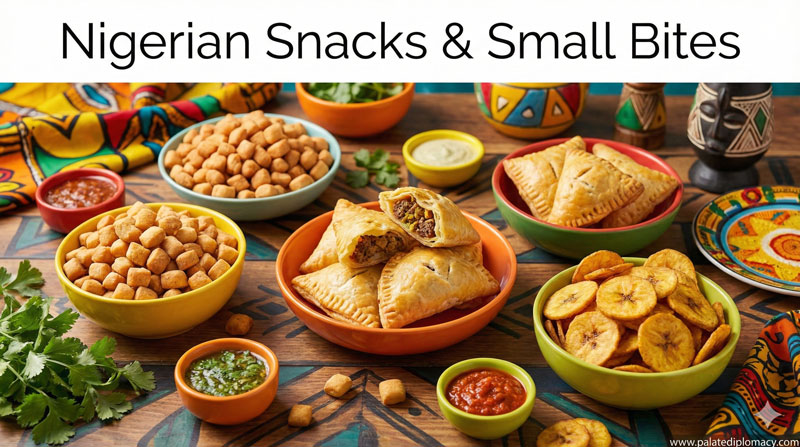
Introduction: How Meat Pie Became Popular in Nigerian Cuisine
How Meat Pie Became Popular in Nigerian Cuisine captures a simple truth: a crisp crust and a savory heart can travel far in everyday life. This dish sits at the crossroads of home cooking, bakery craft, and street food charm. It invites people to pause, share, and enjoy a compact meal that fits into busy days. The meat pie’s appeal lies in its balanced texture, warm aroma, and the way it harmonizes familiar Nigerian flavors with a universal pastry form. In short, it is a small, delightful ambassador of comfort and culinary craft.
From Markets to Homes: The Journey of a Baker’s Favorite
The pie’s rise in Nigerian kitchens began in busy markets and bustling bakeries, where pastry makers refined a reliable, portable snack. Shelves fill with pies that glow under warm lights, each one a neat package of promise. Vendors hand over pies to riders, parents, students, and workers who crave something satisfying and easy to eat on the go. Families also bake or share pies at gatherings, turning a simple snack into a welcome gesture of hospitality. This accessibility—paired with consistent flavor and comforting warmth—helped the meat pie thread itself into daily routines and special moments alike.
Craft and Technique: The Crust, the Filling, the Finish
The heart of the meat pie is the crust, which offers a crisp, golden exterior and a tender bite inside. Bakers often use a sturdy shortcrust or a delicate pastry that seals in the savory filling. The edges are crimped with care, giving the pie a neat, hand-held shape. Inside, the filling relies on ground meat, small cubes of potato, and sometimes carrot for color and texture. Aromatics such as onions and a gentle blend of spices enrich the mix. The combination yields a satisfying contrast: a flaky exterior that gives way to a warm, savory center. The result is a compact dish that travels well and holds its flavor over time, making it a reliable choice for lunchboxes and office breaks.
Flavor Profile: Filling, Texture, and Harmony
The filling offers depth without heaviness. Ground beef provides a rounded, meaty note, while potatoes bring comforting heartiness. Carrots add a touch of sweetness and color, and onions give a savory backbone. Spices—often a balanced blend of thyme, mild curry, and pepper—layer the filling with warmth rather than heat. Tomato elements or tomato paste may lend a gentle brightness, tying the filling to familiar Nigerian pantry flavors. The crust’s butteriness or richness complements the filling, producing a well-rounded mouthfeel. The overall effect is meat pie that feels thoughtful, coaxing, and satisfying with every bite.
Cultural Value: Hospitality, Sharing, and Everyday Joy
Meat pie in Nigerian cuisine carries a quiet but lasting symbolism. It is a small dish that invites conversation and sharing. People often pass pies from hands to hands, from friend to neighbor, in moments of daily life and communal goodwill. A pie placed on a plate during a tea break signals hospitality and a moment of pause together. It serves as a dependable crowd-pleaser at school events, office gatherings, and family moments. Because it travels well and is easy to eat without utensils, the meat pie becomes a convenient vehicle for connection, offering a sense of comfort and continuity in everyday routines.
Regional Variations and Modern Twists
Across Nigeria, bakers and home cooks introduce subtle regional touches to the meat pie. Some regions favor a spicier edge, others lean toward a brighter tang from tomato and herbs. Variations may include peas for added color, cheese for a creamy note, or pepper for a livelier finish. Modern twists keep the dish fresh: lighter crusts for a crisp bite, mini pies for sharing, or larger pies for gatherings. Vegetarian or plant-based fillings offer another avenue for creativity, showing how the concept can adapt while preserving its familiar structure. These evolutions reflect a culture that values culinary craft, flexibility, and shared enjoyment.
The Allure of a Timeless Favorite
What Makes How Meat Pie Became Popular in Nigerian Cuisine so enduring is not just flavor, but the ease of care and the everyday storytelling each pie carries. It pairs well with hot tea or a cool drink, stands up to a busy day, and invites people to come together around a table or a stand. The pie’s humble origins in skilled baking and its generous presence in homes and markets alike demonstrate the beauty of Nigerian Food Culture: practical, flavorful, and generous in spirit. It remains a beloved staple because it respects both the cook’s artistry and the community’s need for comforting, shareable meals.
Conclusion: A Celebrated Craft in Nigerian Food Culture
In the end, meat pie is more than a snack; it is a compact celebration of Nigerian culinary craft and everyday life. Its crust, filling, and aroma carry memory and meaning for many families and communities. The dish stands as a testament to the care baked into everyday cooking and the joy of sharing something warm and delicious. As people continue to bake, sell, and savor these pies, they reinforce a rich, inviting food culture—one that honors craft, hospitality, and the simple pleasure of a well-made, portable meal.