
Introduction
Why Mixed Vegetable Curry Is One of Pakistan’s Most Loved Dishes invites readers to pause and savor a meal that feels Like a warm welcome. This dish shines with bright colors, fragrant spices, and a generous mix of vegetables. It is a celebration of everyday cooking that families share around the table. The dish is approachable, nourishing, and deeply-rooted in the rhythm of daily life. By focusing on its cultural value and culinary significance, we see how a simple curry can become a beloved gateway to tradition and togetherness.
Cultural Roots and Everyday Life
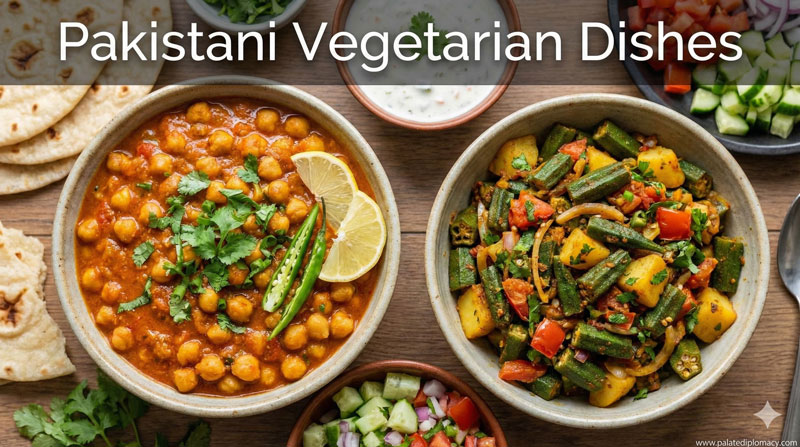
Mixing vegetables into a single curry mirrors the way many kitchens blend flavors from the day’s market, the season, and family preferences. Across Pakistan, cooks adapt the recipe to reflect what is fresh and available. Carrots, cauliflower, peas, potatoes, bell peppers, and green beans often join the pot, each vegetable contributing texture and color. This flexibility supports a shared sense of ownership: every household can tailor the dish while preserving its essence. The aroma rises as onions soften, garlic and ginger wake the pan, and spices bloom. In this moment, food becomes a language of welcome, signaling hospitality and care to anyone at the table. The dish’s reputation grows not only from taste but from the memories it carries—laughter during a busy kitchen hour, the soft clink of vessels, and the comfort of a familiar scent drifting through the home.
Ingredients and Techniques
At the heart of the dish is a simple, sturdy technique. Start with a light sauté of onions, then add spices such as cumin, coriander, turmeric, and chili for warmth and depth. Tomatoes may provide a gentle tang, while ginger and garlic bring brightness. Water or stock loosens the mix, allowing the vegetables to simmer to tender perfection. The result is a harmony of bite and softness, with vegetables that hold their individual character while absorbing the curry’s savory shoulders. Many cooks finish with a quick tempering of seeds and fresh herbs, which adds a bright, fresh note. This balance—bright astringency from the tomato, mellow spiciness from the blend, and the natural sweetness of the vegetables—defines the dish’s approachable elegance. The dish is often prepared with pantry staples, making it practical for everyday meals and festive gatherings alike.
Culinary Significance and Flavor Harmony
Culinary significance for this curry lies in its balance and versatility. It is a vegetable-forward dish that can stand proudly on its own or accompany breads like roti or naan and a bed of fragrant basmati rice. The mix of vegetables brings varied textures, from crisp edges to tender centers, which keeps each bite interesting. The spice blend provides warmth without overpowering the vegetables, allowing their natural flavors to shine. In many kitchens, the curry acts as a canvas for regional touches—small adjustments of chili heat, the choice of oil, or the level of acidity from tomatoes—so each family leafs a personal stamp on the dish. Its adaptability showcases a cautious restraint and thoughtful layering that many cooks value. This curry also embodies a thoughtful approach to plant-based meals: it offers nourishment, color, and savoriness in a single, satisfying bowl.
Regional Variations and Serving Traditions
Peoples of different regions may favor slight shifts in the recipe, resulting in a tapestry of textures and tastes. Some cooks use yogurt to add creaminess, while others lean on coconut milk for a tropical note. The level of heat can move from gentle warmth to a bold:
conscience-pleasing spice, depending on family preference. In cultural gatherings, the dish often plays a central role because it pairs well with generous portions of bread and rice. The serving ritual is inviting: a steaming pot on the stove, a platter of fresh herbs for garnish, and a supportive chorus of conversation. Garnishes like chopped cilantro or a squeeze of lemon elevate brightness at the table. Sharing a bowl of mixed vegetable curry reinforces hospitality and care, inviting guests to slow down, savor the moment, and enjoy the colors of the meal together.
The Dish’s Place in Food Culture
This curry holds a cherished place in the broader food culture. It showcases how color, aroma, and texture come together in everyday cooking. The dish is a daily reminder of abundance and balance: vegetables provide a spectrum of nutrients, spices deliver warmth, and the act of cooking brings people closer. Its popularity across households speaks to its reliability and joy. The curry’s quiet dignity invites both home cooks and guests to appreciate simple ingredients transformed by technique and heart. In classrooms, homes, and small eateries, the dish teaches patience, seasonal awareness, and the pleasure of sharing. Its enduring appeal lies in the harmony it offers—a comforting bowl that signals welcome, care, and the joy of mealtime.
Conclusion
In exploring Why Mixed Vegetable Curry Is One of Pakistan’s Most Loved Dishes, we celebrate more than flavor. We celebrate community, shared tables, and the gentle art of turning everyday ingredients into something memorable. The dish’s cultural value rests in its inclusivity, adaptability, and timeless appeal. It invites us to savor the moment, notice the colors of the market, and listen to the stories that unfold while a pot simmers. In this humble curry, the heart of Pakistan’s cooking shines: generous, thoughtful, and wonderfully inviting.