
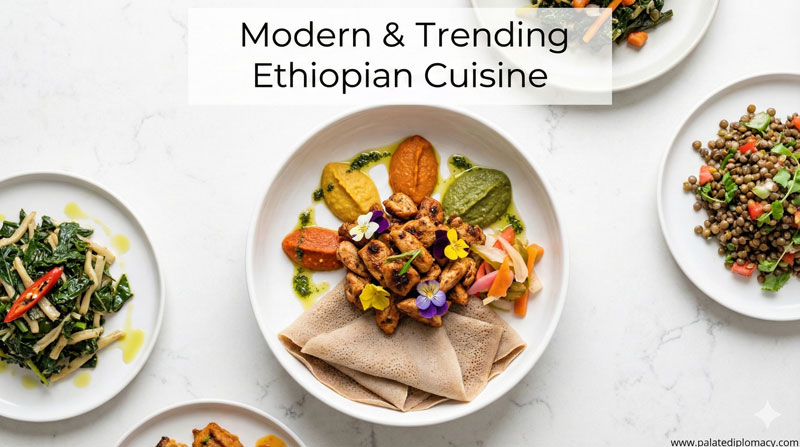
Discover the Rich Flavors of Modern Tibs Variations
Modern Tibs Variations invites you into a kitchen where tradition and invention meet. This dish centers on sizzling meat or vegetables, bright aromatics, and a careful balance of heat and aroma. It is a celebration of texture, color, and the joyful rhythm of cooking. The goal is to honor the past while inviting new ideas and flavors to the table. In short, it is a living portrait of Ethiopian culinary craft expressed with contemporary flair.
What Tibs Means in Everyday Life
Tibs is more than a recipe. It is a signal of hospitality and shared time. Families gather around the stove, listen to the crackle of fat, and exchange stories as spices bloom. The dish anchors meals that feel Like a welcome. In every kitchen, Tibs becomes a bridge between daily routine and festive meals. The modern variations honor that heritage while making room for personal preferences and seasonal ingredients.
Modern Twists: Techniques and Flavors
Modern Tibs Variations blend familiar elements with new ideas. Cooks experiment with proteins such as beef, lamb, chicken, or even firm tofu. They pair these with peppers, onions, tomatoes, and garlic for complexity. Spices like berbere, mitmita, paprika, and cumin provide warmth and brightness. The kitchen choice of fat matters too; a spoon of niter kibbeh or a modern clarified butter adds depth. Finally, a quick finish of fresh herbs, lemon juice, or a touch of vinegar brightens the dish. Each variation keeps the essential sizzle front and center while inviting new aromas to the scene.
Key Ingredients that Elevate Tibs
The backbone of Tibs is a flavorful foundation. Onions, garlic, and peppers create a vibrant base, while tomatoes add a gentle sweetness. Spices bring depth: berbere adds heat with a sun-kissed note, and cumin offers earthiness. The fat used during cooking matters, shaping texture and mouthfeel. Fresh herbs at the end introduce a lift of fragrance. Finally, serving with a soft, sour accompaniment—commonly injera or flatbread—complements the richness and provides a perfect stage for savoring the sauce.
Techniques: From Sizzle to Savor
Tibs shines when the pan yields immediate aroma and color. High heat seals in juices for tender meat or crisp-tried vegetables. Stirring keeps flavors evenly dispersed and prevents sticking. Layering spices at strategic moments builds complexity: add aromatics first, then intensify with pepper and heat, and finish with a bright finish of citrus or herbs. Plating matters too. A final scatter of fresh herbs or a dollop of yogurt or butter can transform the experience, making each bite a little brighter and more balanced.
Cultural Context: Shared Plates and Hospitality
Tibs embodies generosity and shared enjoyment. The dish often appears on the table as a welcoming gesture to guests or as a centerpiece for family gatherings. Its warm aroma invites participation, as everyone reaches for pieces of bread and shares in the meal. The act of cooking Tibs is a moment of care—a way to show respect for ingredients, for the cook, and for those who join at the table. This spirit of hospitality resonates across kitchens and meals, reinforcing a sense of community around food.
Variations Across Regions and Seasons
Regional and seasonal differences bring Tibs to life in distinct ways. In one area, a version may emphasize smoky char from a quick grill and a sharper pepper note. In another, the dish leans into a softer spice profile with sweeter vegetables. Seasonal produce invites changes in color, texture, and aroma, while regional spice blends tailor the heat and aroma. Across these variations, the core idea remains: Tibs is a flexible expression of flavor, crafted to reflect place and time with care.
Serving and Pairing: A Complete Experience
Tibs is typically shared over bread or flatbread, inviting diners to scoop up sauce and morsels together. The sauce should be glossy and richly perfumed, not too thick or too watery. A crisp salad or fresh herbs on the side can provide a refreshing balance. Pairing ideas include a bright tea, a light beer, or a medium-bodied red wine that complements, rather than overwhelms, the spices. The serving approach enhances the communal nature of the dish and makes every bite more satisfying.
How to Bring Modern Tibs Variations to Your Table
Bring the essence of Tibs into any kitchen with simple steps. Start with a strong base of onions and garlic, then add your chosen protein or vegetables. Layer spices gradually, tasting as you go to adjust heat and aroma. Finish with a bright squeeze of citrus or a final herb note. Use a fat that adds depth, but keep it balanced so the meat or vegetables stay the star. Finally, serve with a comforting bread or flatbread to complete the experience.
The Living Flavor: Why This Dish Resonates
Modern Tibs Variations resonate because they honor a rich culinary tradition while inviting personal creativity. The dish offers a bridge between everyday meals and moments of celebration. It teaches that flavor is best when ingredients meet thoughtful technique and when sharing food strengthens connections. In every bite, the dish reveals how culture can adapt with elegance, keeping a sense of place while welcoming new ideas.
If you’re seeking a dish that blends respect for heritage with the imagination of contemporary cooking, Tibs offers a welcoming and delicious path. It invites curiosity, elevates the kitchen experience, and invites everyone to take part in a shared, flavorful moment. Through its sizzling sound, its vibrant color, and its balanced spice, Modern Tibs Variations stand as a tasty testament to the beauty of food culture.