
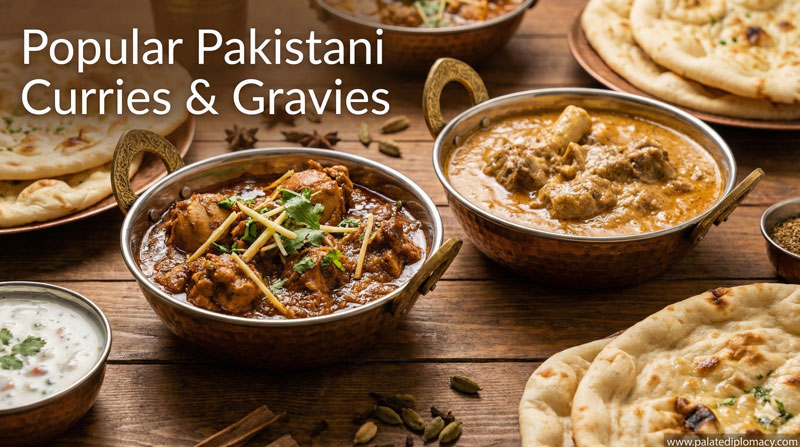
Discover the Rich Flavors of Mutton Korma
Mutton Korma invites you into a kitchen where patience and balance create something truly comforting. The dish showcases tenderness in meat and elegance in sauce. It welcomes you with a warm aroma and a smooth, creamy texture. In every bite, you feel careful technique, harmonious spices, and a sense of hospitality that marks many traditional meals. This is more than food; it is a celebration of craft and shared enjoyment.
Cultural Roots and Craft
Korma has a long, cherished presence in home kitchens and festive feasts. It embodies a philosophy of gentle heat, slow simmering, and respectful attention to texture. First, chefs brown the meat to deepen flavor. Then they blend yogurt, nut paste, and spices to Create a velvety sauce. Finally, the meat braises until it becomes tender and succulently coated. The result is a dish that honors patience, balance, and the joy of serving others with care.
Key Ingredients and Techniques
The core ingredients are simple yet luxurious. Mutton provides depth, while yogurt adds tang and moisture. Cream heightens silkiness, and ground nuts form a rich body in the gravy. Aromatic spices—cardamom, cinnamon, cloves, and bay leaves—play a graceful supporting role. Saffron or a saffron-scented element adds a jewel-like fragrance. The technique centers on layering flavors: tempering spices, melding the yogurt-based sauce, and slow simmering until the sauce clings softly to the meat. These steps create a dish that feels both refined and warmly familiar.
The Aromatic Symphony: Spices and Cream
Spices shine in a careful harmony. Fresh onions, garlic, and ginger form a fragrant base, followed by a paste of almonds or cashews for body. The yogurt provides a gentle tang, keeping the sauce light despite its richness. As the mixture reduces, the sauce thickens into a glossy cloak around each piece of mutton. In addition, saffron threads or a kiss of nutmeg can lift the aroma, giving the dish an invitation to linger on the palate. The result is a sensory experience: the eye-catching sheen, the inviting aroma, and the comforting creaminess that defines mutton korma.
Regional Variations Across the Subcontinent
Across the subcontinent, kitchens adapt mutton korma with local flare while preserving its essence. In some homes, richer dairy and a touch of saffron create a royal, silky profile. In others, nut pastes and gentle heat bring a rustic depth that feels earthy and comforting. Additionally, chefs may experiment with coconut milk, ground sesame, or a higher peppercorn note to reflect regional pantry staples. Regardless of variation, the dish remains a showcase of balance: meat tenderness meeting a smooth, fragrant sauce.
Serving Traditions and Pairings
Mutton korma shines when paired with breads and grains that soak up the creamy sauce. Naan, paratha, or flaky chapati are ideal companions, each offering a different texture to enjoy with the curry. A bed of fragrant basmati rice also enhances the experience, allowing the sauce to cling delightfully to each grain. Garnish with fresh cilantro and a few fried onions for color and crunch. Finally, a light drizzle of saffron-infused oil can elevate the dish’s perfume, inviting another spoonful.
The Kitchen Moment: Crafting Mutton Korma
Imagine the kitchen as a quiet stage where flavors come together. You begin with a careful browning, then add a lush yogurt-tinted sauce. Slowly, the meat becomes tender, and the sauce thickens into a glossy, velvet coat. The room fills with warmth and spice, inviting conversation and shared bites. This is how mutton korma teaches us to value time, texture, and the joy of presenting a dish that honors both tradition and experimentation.
Closing Reflections
Mutton korma stands as a beloved contributor to the food culture, celebrated for its grace, complexity, and timeless appeal. It invites cooks and diners alike to savor balance, to honor careful technique, and to welcome others to the table. In every spoonful, you taste a story of flavor, patience, and hospitality—an edible reminder of the beauty found in well-crafted, affectionate cooking.