
The Story Behind Mutton Korma, a Pakistani Food Favorite
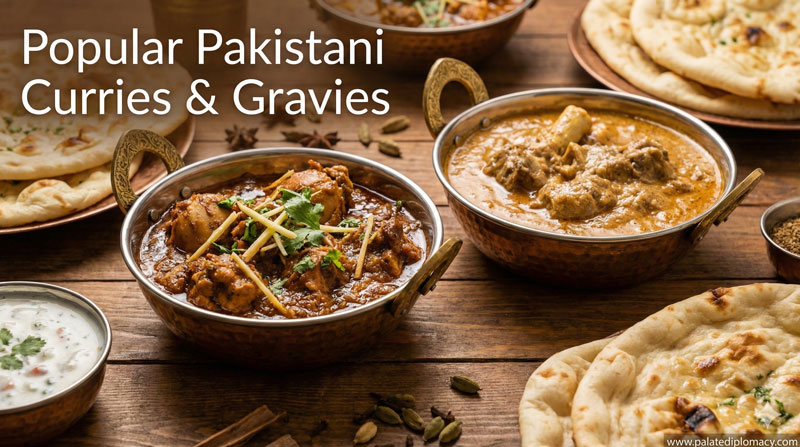
Mutton korma stands as a cherished fixture on many Pakistani tables. It blends tender meat with a silken, fragrant sauce that lingers on the palate. The dish carries a sense of home, warmth, and celebration. The word korma hints at a method of gentle braising and a sauce that coats every piece. In kitchens across Pakistan, families prepare this dish for special gatherings, weekend meals, and moments of shared joy. The aroma fills rooms, inviting everyone to gather near the stove and take part in a timeless cooking ritual. This is more than a recipe; it is a quiet celebration of food, family, and hospitality.
Core Elements: Ingredients That Define the Dish
Key ingredients give mutton korma its distinct character. The meat is commonly bone-in for depth of flavor, though boneless cuts work well too. A smooth, yogurt-based sauce creates a creamy background that carries the spices. Nut paste from almonds or cashews adds body and a gentle sweetness. Onions are fried to a soft, caramel color, forming the base of the sauce. Aromatics such as garlic and ginger brighten the dish. The spice mix includes coriander seeds, cumin seeds, green cardamom, a cinnamon stick, cloves, and a bay leaf, with chili powder or fresh green chilies for heat. A touch of garam masala finishes the sauce, while fresh cilantro and mint provide herbal notes. Ghee or a light oil carries the flavors. Saffron threads, when used, lend a subtle fragrance and color.
The Cooking Practice: Technique That Elevates Flavor
The magic of mutton korma lies in technique as much as in ingredients. Start with marinating the meat briefly to infuse trail-blazing flavor. Sear the meat to develop a rich crust, then remove it and set it aside. Create a paste from fried onions and the nut mixture, which thickens the sauce and adds depth. Return the meat to the pot, then add yogurt in gradual additions to prevent curdling and to build a creamy texture. Slow simmering allows the meat to become tender and the sauce to thicken into a velvet coating. Finish with a sprinkle of garam masala and fresh herbs. The result is a dish that feels luxurious yet comforting, with layers of aroma that reveal themselves in stages as you eat.
A Dish of Hospitality: Social Significance
Mutton korma is a dish that invites sharing. In homes and small eateries, it signals generosity and welcome. Hosts prepare a pot with care, knowing that the meal will bring people together around a table. The act of serving small portions to guests, offering steaming bowls, and pairing the dish with rice or bread creates a ritual of attention and kindness. The dish also marks leisurely weekends and festive occasions, when families take time to savor every bite and to reflect on togetherness. In this way, mutton korma embodies the spirit of hospitality that is central to so many Pakistani gatherings.
Regional Voices: Variations Across the Country
Across Pakistan, small differences in khorma preparation reflect regional preferences. In Punjab, the sauce tends to be rich and creamy, balancing tangy yogurt with delicate nut sweetness. Sindh offers a lighter touch with brighter spice notes, allowing the meat and yogurt to shine through. In the north and Khyber Pakhtunkhwa, cooks often introduce warm, aromatic spices and a slightly more robust finish. Some families use different nuts, or adjust the amount of onion and garlic to tailor the texture. Despite these variations, the dish remains a common thread, binding diverse kitchens with a shared love for slow-cooked depth and fragrant spice.
The Plate and the Table: Serving Traditions
Mutton korma shines when served with simple, complementary accompaniments. Steamed basmati rice or saffron rice makes a classic pairing, absorbing the sauce without overpowering it. Freshly baked naan or paratha offers a satisfying bread to scoop up every bite. Garnishes such as chopped cilantro, a drizzle of ghee, or fried onion strands add color and crunch. A bright cucumber salad or a tangy pickle can provide a refreshing contrast. The way the dish is plated—steaming bowls, a central pot, and a setting that invites conversation—enhances the social experience of a meal.
Preserving the Craft: Home Cooking and Modern Kitchens
Home cooks today continue to honor the craft of mutton korma while adapting to modern kitchens. Slow cookers, pressure cookers, and cast-iron pots help achieve tender meat and a glossy sauce with less guesswork. The core principles remain: fresh aromatics, balanced yogurt, and patient simmering. Each household adds its own touches, keeping the recipe alive and personal. This evolving practice keeps the dish relevant for new generations while preserving the sense of heritage that Makes It a Pakistani favorite.
Conclusion: Embracing a Timeless Favorite
The Story of mutton korma is a celebration of flavor, technique, and togetherness. It teaches patience, respect for ingredients, and the joy of sharing a carefully prepared meal. When you taste the creamy sauce, hear the soft sizzle, and feel the warmth of the spices, you sense a cultural value that transcends the plate. This dish remains a beloved emblem of Pakistani food culture—an invitation to slow down, gather, and savor the beauty of a well-made meal.