
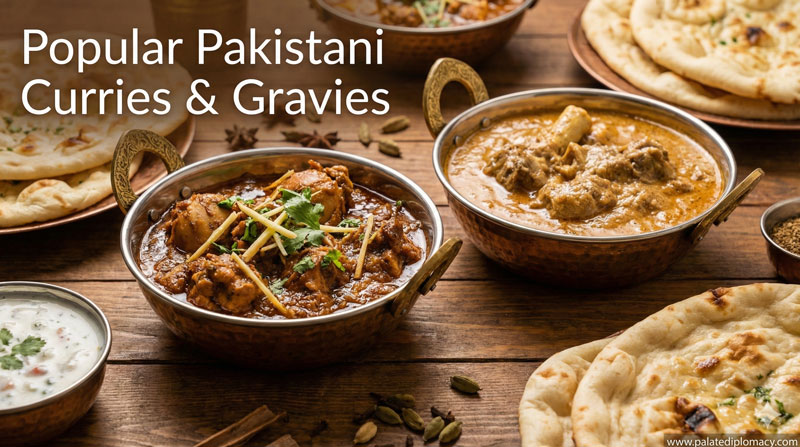
The Story Behind Mutton Korma, a Pakistani Food Favorite
Mutton korma is more than a dish. It is a quiet ritual that turns an ordinary meal into a memory. In many homes, a pot braises on the stove as the family gathers, and the air fills with warm spice notes. The name korma signals a gentle cooking method: meat bathed in a rich, fragrant sauce and kept at a steady simmer. In Pakistan, this dish has long stood as a symbol of care, patience, and shared joy at the table.
A Dish Woven Into Family and Feast
From bustling kitchens in Lahore to cozy rooms in smaller towns, mutton korma appears at both festive gatherings and everyday dinners. It marks hospitality, a moment when the host offers welcome through food. The tender meat and silky sauce invite conversation and connection. People pass the spoon, share stories, and let the aroma guide the mood of the gathering. The dish brings people closer, turning a meal into a shared celebration of flavors.
The Technique That Defines Its Creamy Heart
The heart of mutton korma is a careful, slow technique. A paste of onions, garlic, and ginger forms the base, enriched with spices. Yogurt and ground nuts provide body and a subtle nuttiness. The meat braises gently, soaking up flavors until it becomes tender. As the sauce thickens, its texture becomes smooth and lush, carrying a balance of tang, warmth, and sweetness. The result is a creamy, deeply aromatic curry that feels comforting and refined at once.
Core Ingredients and What They Signify
Mutton, the star of the dish, delivers depth and character with every bite. Yogurt adds brightness and a soft tart note, while cream or milk enhances richness. Nuts such as cashews or almonds Create a velvety body and a faint nutty sweetness. Whole spices—cumin, coriander, cardamom, cloves, and cinnamon—lend warmth and scent. Garam masala rounds the mix, tying it all together. A pinch of saffron or a drizzle of ghee can finish the sauce with a delicate sheen. Each ingredient plays a purposeful role in creating balance and generosity.
Regional Expressions Across Pakistan
Across Pakistan, regional tastes shape the same dish in inviting ways. In some areas, the sauce feels extra creamy, with a softer tang from yogurt. In others, a brighter spice profile and a hint of green chili elevate the aroma and heat slightly. Nut paste may be more pronounced in certain regions, giving the curry a thicker, almost velvet finish. These variations celebrate local palates while honoring a shared love for a dish that feels both grand and welcoming.
Serving Traditions and Moments of Hospitality
Mutton korma shines when served with naan, roti, or fragrant basmati rice. A sprinkle of fried onions adds a crisp sweetness, and fresh cilantro offers a green counterpoint. A thread of saffron can lift the color and aroma, while a side of cucumber raita or a simple salad adds refreshing balance. In many homes, serving korma becomes a polite ritual—ladling the sauce with care, offering seconds, and watching the steam rise as guests savor the moment.
The Modern Plate: Mutton Korma in Homes and Restaurants
Today, chefs and home cooks explore the dish with respect and curiosity. Some versions highlight lighter textures, while others emphasize a deeper, more custard-like sauce. Yet all share a love for the same core idea: slow cooking that elevates humble ingredients into something memorable. The dish travels easily from family kitchens to refined restaurants, inviting everyone to experience the steady joy of its aroma, texture, and warmth.
Preserving the Beauty of a Timeless Favorite
To honor this dish, choose good-quality mutton and fresh aromatics. Cook with patience, letting the sauce simmer until the flavors knit together. The beauty of mutton korma lies in its quiet, generous spirit: a bowl that invites sharing, a sauce that whispers of home, and a memory built around the table. In every bite, the dish celebrates care, craft, and the enduring charm of traditional cooking.