
Why Naan Is One of Pakistan’s Most Loved Dishes
Naan stands at the heart of many meals in Pakistan. It feels warm, soft, and inviting. The dough is simple, yet the result seems special. In homes, eateries, and street stalls, naan signals hospitality. It carries memory, texture, and aroma into every bite. This post explores its cultural value and culinary significance. The focus is on food as a daily celebration and a shared joy.
The Tandoor: Heartbeat of Naan
Next, the tandoor oven creates the heartbeat of naan. A clay wall heats to a fierce temperature. The baker stretches the dough and sticks it to the inner surface. The heat cooks quickly, leaving a thin crisp edge and a tender center. The signature smoky scent comes from the clay and flame. This method connects generations, from home kitchens to busy tandoor cafes. The oven’s warmth makes the moment feel timeless.
Texture, Aroma, and Flavor
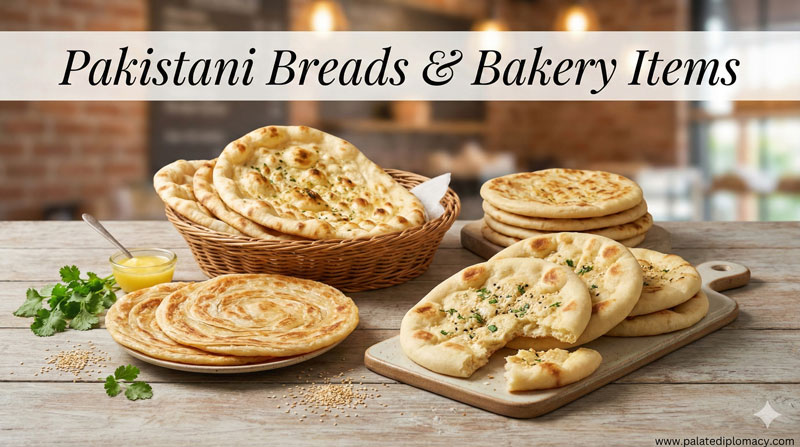
Naan offers a comforting contrast: a soft, pillowy interior and a slightly crisp crust. The aroma blends earthiness with a gentle sweetness. Butter adds richness, garlic brings a bold note, and herbs brighten the scent. Plain naan pairs with any curry, while garlic naan invites a savory bite between courses. The flavor invites you to dip, tear, and savor. It turns a simple meal into a shared ritual.
Naan at the Table: Everyday Rituals
In a family meal, naan is more than a side. It is a vehicle for curry and a tool for scooping. People tear a piece and use it to lift dal, chickpeas, or meat sauces. The act of passing the bread around creates connection and warmth. Serving hot naan signals care and attention at the table. The rhythm of hot bread arriving as the curry simmers is a small daily ceremony.
Varieties You May Encounter
Across households and eateries, several styles appear. Plain naan rests on a plate, ready for toppings. Garlic naan tastes of roasted cloves and butter. Butter naan adds a glossy sheen and extra richness. Stuffed naan rounds out the palate with fillings like seasoned minced meat or paneer. Each variety shows creativity and regional taste while staying rooted in the same technique. The result is a mosaic of textures and flavors, all centered on the same dough.
Craft and Community: The Making of Naan
The making of naan blends science and art. Flour, water, yogurt, and a pinch of salt form the dough. Resting allows the gluten to relax and the flavors to deepen. The baker shapes the dough, then bakes it in the hot oven. The craft is passed from mentor to apprentice, and from grandmother to grandchild. In many kitchens, the skill is a quiet pride, a shared craft that keeps households connected. The process respects time and touch, yielding bread that feels earned.
Naan in Celebrations and Shared Moments
Naan Shines in celebrations. It accompanies rich gravies during gatherings, family feasts, and festive meals. Its softness mirrors the warmth of a welcome and the generosity of a shared table. In these moments, naan marks continuity, comfort, and the joy of eating together. The bread becomes a conversation starter, a reason to linger over food, and a symbol of hospitality. Each bite reaffirms the sense of belonging around the table.
A Final Thought: The Enduring Comfort of Naan
Naan remains One of Pakistan’s most loved dishes because it blends texture, aroma, and social meaning. It invites hands to work together, bowls to be passed, and taste buds to celebrate. By honoring naan, we celebrate a culinary craft that has fed families for generations and will continue to do so. May this bread keep guiding warm meals, simple smiles, and lively conversations around the table.