
The Dish and Its Concept
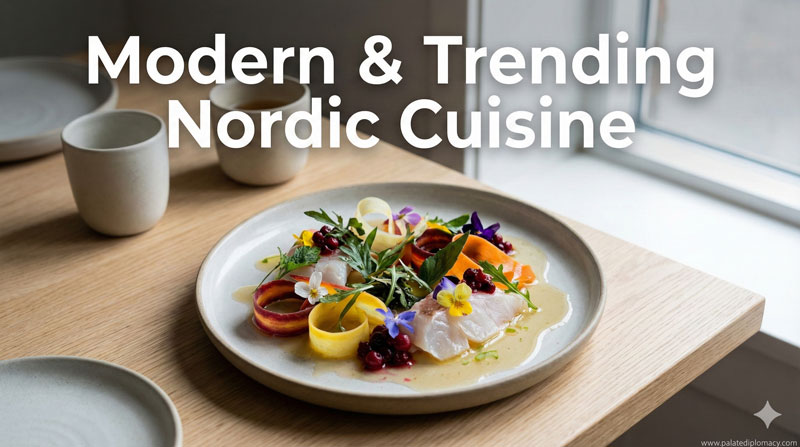
The dish titled How New Nordic Cuisine Plates Became Popular in Nordic Cuisine presents a vivid snapshot of a plating philosophy. It isn’t just about taste; it is about how a plate tells a story of place, season, and craft. This dish invites diners to see food as a form of cultural expression. It links a style of presentation to everyday meals, seasonal harvests, and the skilled hands that assemble each plate. The result is a meal that feels both carefully planned and intimately connected to the surrounding landscape.
Cultural Value: Honoring Local Resources
At the heart of the plate is a respect for local resources. Nordic cooks emphasize what grows near home, what can be harvested in season, and what can be prepared with care. This approach nurtures a sense of belonging to a particular climate and terrain. The plate becomes a quiet homage to farmers, foragers, and fishermen who supply the ingredients. With simple lines and thoughtful placement, chefs celebrate abundance without excess. In this way, the dish reinforces a cultural value: gratitude for the land and the people who steward it.
Culinary Significance: A New Language for Nordic Flavors
The plate helps Nordic flavors communicate in a new language. It pairs familiar ingredients—sea fish, root vegetables, berries, grains—with crisp textures, bright acidity, and subtle sweetness. The plating invites the diner to notice contrasts: soft and firm, warm and cool, sweet and tart. This balance mirrors Nordic culinary sensibilities, which prize precision and harmony. The result is a culinary signature that travels beyond taste alone. It creates a memorable impression of Nordic cuisine as thoughtful, vigilant, and joyful about small pleasures.
Aesthetic Language: Minimalism with Meaning
The presentation uses clean lines, restrained color, and deliberate negative space. Each element has a purpose, and nothing feels extraneous. The plate becomes a canvas where color pops against a simple background, revealing form and texture. This minimalist approach does more than please the eye; it guides the palate and the mind. Diners feel a sense of calm and focus, as if the plate invites them to slow down and savor the moment. The aesthetic language of the dish strengthens the cultural idea that beauty in food often lies in restraint and intention.
Ingredients as Local Voices
Seasonal produce speaks through texture and flavor on the plate. Fresh herbs, foraged greens, and local fungi contribute notes that feel local and sincere. Fish from nearby waters adds depth, while grains and dairy carry memory and structure. When these voices are paired with careful technique, the plate tells a coherent story about a region’s terroir. In this way, the dish becomes a cultural ambassador, guiding diners to appreciate the subtle differences among Nordic regions and seasons.
Techniques That Shape the Plate
Technique plays a crucial role, yet it remains approachable. Careful knife work shapes vegetables into delicate ribbons or neat rounds. Gentle pickling or light fermentation can enhance brightness without masking original flavors. A touch of smoke, a drizzle of preserved oil, or a soft reduction might balance richness. The aim is precision without excess. These technical choices reflect a cultural preference for craft, discipline, and a careful dialogue between technique and nature.
The Plate in Nordic Restaurants and Home Kitchens
In many Nordic dining rooms, these plates set a tone for conversation and shared experience. Chefs use plating to connect the kitchen to the table, transforming a meal into a ritual of appreciation. Yet the same principles translate to home kitchens, where home cooks can recreate a sense of place with simple steps. The dish thus bridges professional and home cooking, reinforcing Food Culture as something everyone can participate in. This broad accessibility helps the plating philosophy become a living tradition rather than a distant specialty.
Social Rhythm and Shared Meals
The cultural value of the plate extends into dining rituals. It supports a rhythm of meals that honor time, season, and community. A well-plated dish invites conversation about sourcing, preparation, and the care that went into each ingredient. It encourages hosts and guests to observe details—the way a sauce coats a plate, the height of a component, the way textures interact. Through these small moments, the plate strengthens the social fabric around meals, making Nordic cuisine feel communal and welcoming.
Education, Craft, and Continuity
Culinary schools and professional kitchens emphasize the skills behind the plate: sourcing, planning, and precise execution. Apprentices learn to interpret seasonality, respect ingredients, and maintain a clear line between flavor and presentation. This education supports continuity in Nordic food culture. It also invites new cooks to contribute their own interpretations while staying aligned with core values. The plate thus serves as a teaching tool as well as a dining experience.
Looking Forward: Sustainability and Craft Transfer
Looking ahead, the plate remains a platform for sustainable practice. Chefs explore ways to minimize waste, maximize flavor, and celebrate local producers. They share techniques and ideas through workshops and demonstrations, helping home cooks and aspiring chefs grow their skills. The cultural value endures because it centers on care, curiosity, and a shared love of good food. In this light, the dish becomes a lasting chapter in Nordic food culture, inviting ongoing curiosity and respectful experimentation.
A Gentle Guide to Appreciating the Plate
To truly appreciate this plating approach, start with the ingredients. Note how colors and textures interact. Observe how the plate is framed—the space between elements, the height, and the balance of elements. Consider the season and the region that inspired the components. Finally, think about the care that went into the dish’s preparation and presentation. This thoughtful process reveals the culinary significance behind the beauty you see and taste.
Conclusion: A Rich, Respectful Expression of Nordic Food
In essence, How New Nordic Cuisine Plates Became Popular in Nordic Cuisine honors the link between place, season, and craft. It invites diners to experience the beauty of Nordic ingredients presented with clarity, balance, and reverence. The plate stands as a cultural beacon of careful artistry, a culinary voice that speaks softly but clearly about who they are, where they come from, and how they choose to eat with intention. This is the enduring charm of Nordic cuisine: a shared love of good food presented with humility, skill, and a deep respect for the land.