
The Story Behind Fish Roll, a Nigerian Food Favorite
In Nigeria, fish roll is more than a snack. It is a small hot parcel that carries stories of markets, family kitchens, and friendly neighbors. The dish pairs a flaky pastry with a savory fish filling. The result is a portable bite that travels well from street stalls to family picnics. It is beloved for its balance of crunch, warmth, and bright flavors.
Cultural Value in Everyday Life
Fish roll sits at the heart of everyday moments. It appears at busy markets, school lunch lines, and after-work gatherings. Vendors prepare it fresh many days, so the aroma greets passersby with a welcoming hello. People share fish rolls with friends and colleagues, which strengthens neighborly bonds. The dish is practical yet celebratory, a treasured snack for small joys and big occasions alike. By its nature, fish roll invites conversation. People ask about fillings, ask for tips, and swap favorite spots to buy it. This exchange keeps a sense of community alive around a simple, satisfying bite.
Culinary Significance and Flavor Profile
The pastry frames a warm, flavorful filling. The pastry delivers a delicate crunch that gives way to a tender, savory center. The filling blends shredded fish with potato or carrot, onions, and subtle spices. The combination creates a balance of textures and scents: a crisp wrapper, a soft core, and a gentle glow of peppery warmth. The dish showcases pantry staples in an accessible, flavorful way. The technique highlights skill and patience: achieving a light wrapper, ensuring the filling remains juicy, and maintaining even coloring during frying. When prepared well, fish roll embodies comfort food with a refined edge.
Techniques and Craft
The craft is practical and precise. First, cooks season the fish with careful blends of herbs and spices to deepen flavor without overpowering the fish’s natural freshness. Next, potatoes or carrots are cooked until tender and mashed to a smooth, sturdy base. Then the filling is combined with onions and a hint of peppers to lift the aroma. After that, the filling is wrapped in a thin pastry sleeve and sealed to trap heat. Finally, the rolls are fried to a golden finish, giving a glossy exterior and a fragrant interior. Each step respects the ingredients, aiming for balance and unity in every bite.
Regional Variations and Personal Touches
In Nigeria, small regional differences enrich the dish. Some cooks favor puff pastry for a light, flaky bite, while others use traditional spring roll wrappers for a cleaner finish. The filling can vary, with more or fewer vegetables, or a touch of fresh herbs. Across regions, the level of spice is adjusted to local preferences. Yet the core idea remains the same: a portable, comforting mix of fish and vegetables wrapped in a crisp shell. These variations reflect local markets, family recipes, and seasonal produce, all contributing to the dish’s enduring appeal.
Serving Traditions and Social Moments
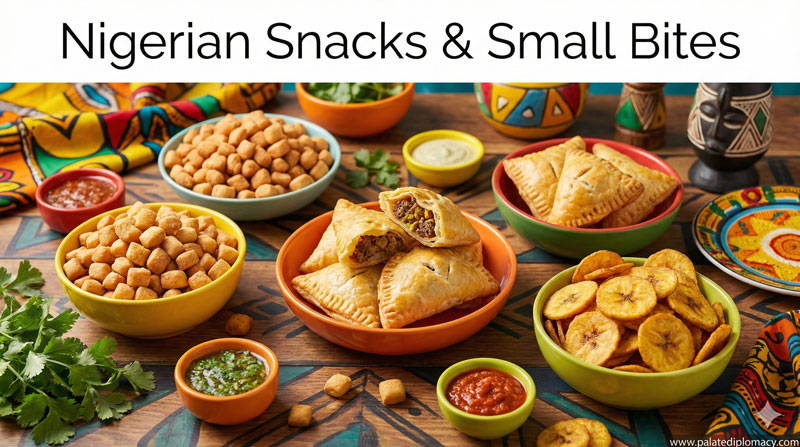
Fish roll shines in social settings. It is commonly served hot from the fryer, with a tangy pepper sauce or a tomato relish on the side. The pairing with a cool drink Makes It a favored choice for informal gatherings and street fairs. It also travels well as a lunch option, a picnic staple, or a shared snack during celebrations. The joy is in the moment of gathering: friends and family come together, break bread, and pass around the warm rolls. This social rhythm adds depth to the dish and links meals to shared experiences.
Sustainability and Freshness
Freshness matters in every bite. The best fish rolls use clean, well-sourced fish and fresh pastry. Vendors who prepare rolls daily preserve texture and flavor. Cooking times are kept steady to maintain a crisp exterior and a moist interior. This attention to freshness makes the dish both reliable and special, whether enjoyed on a busy street corner or at a quiet family table.
Why Fish Roll Resonates in Nigerian Food Culture
- It embodies hospitality: sharing a warm, tasty finger food invites conversation and connection.
- It represents practicality and delight: a snack that fits into busy days with comfort and charm.
- It reflects adaptability: regional twists show how communities celebrate their own flavors within a familiar format.
- It honors tradition while inviting new flavors: cooks can honor a classic while exploring modern fillings or wraps.
A Invitation to Taste and Observe
If you seek A Window into Nigerian flavor, start with fish roll. Observe how the pastry crackles when you bite, and how the fish filling releases aroma with a gentle puff of steam. Notice the balance of spice, salt, and brightness from vegetables. The dish rewards curiosity: every bite tells a small story of markets, kitchens, and shared meals.
Conclusion
The Story Behind Fish Roll, a Nigerian Food Favorite, is more than a recipe. It is a cultural handshake—an inviting, flavorful symbol of community, craft, and everyday joy. Its appeal lies in its simplicity and its capacity to bring people together around a warm, satisfying bite. Whether enjoyed on a busy street, at a family table, or during a celebration, fish roll remains a cherished part of Nigeria’s rich food landscape.