
Introduction
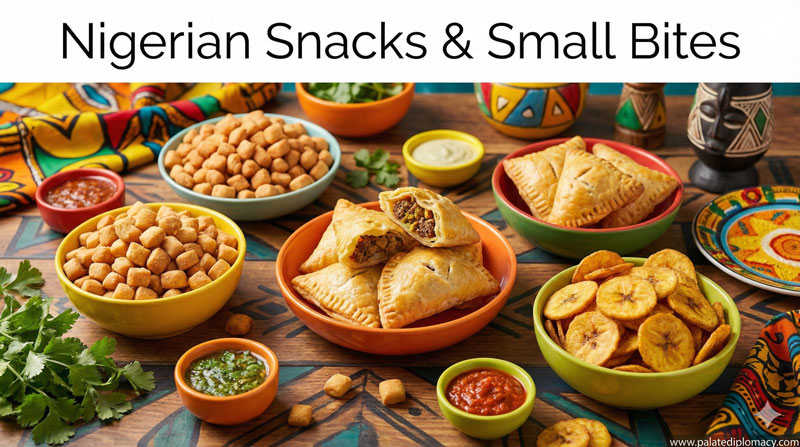
The Story of Fish Roll, a Nigerian food favorite, begins with a simple idea: flavor that travels well and brings people together. This snack blends fresh fish with bright spices and a crisp wrapper, creating a small parcel of comfort. In markets, kitchens, and gatherings, fish rolls signal warmth, hospitality, and everyday joy. The dish invites bite-sized conversation and shared smiles, making it a familiar staple in many homes.
Cultural Value
Food in Nigeria often marks moments of everyday life. Fish Roll sits at that crossroads of nourishment and sociability. Vendors roll and fry bountiful batches, then offer warm pieces to neighbors, friends, and curious passersby. The aroma alone can spark a friendly greeting or a quick, cheerful exchange about spice levels and preferred fillings. Sharing fish rolls becomes a small ritual that honors guests and celebrates togetherness. The snack fits naturally into morning markets, afternoon school breaks, and festive family tables, reinforcing a sense of belonging and local pride.
Culinary Significance
The core idea of Fish Roll is balance: a savory fish filling wrapped in a delicate, flexible dough and fried to a glossy finish. The fish provides protein and a clean, coastal taste, while onions, peppers, and herbs add brightness and depth. The wrapper acts as a gentle wrapper for the flavors inside, offering a satisfying crackle when bitten and a tender interior. This combination showcases Nigerian culinary ingenuity—how simple ingredients can harmonize through technique, timing, and careful seasoning. The dish also demonstrates versatility: the level of heat, smokiness, or herb note can be tuned to family traditions or street-food style, without losing its recognizable character.
Craft and Technique
The craft behind Fish Roll blends restraint with craft. Finely chopped fish is mixed with onions, peppers, salt, and herbs for perfume and balance. A thin layer of dough or pastry is rolled, then the filling is tucked in and sealed with care. The rolls are fried until their exterior turns a crisp gold and their interiors stay moist. Proper sealing prevents leaks and ensures an even, inviting texture. Practice rewards patience: even, tight folds, consistent thickness, and steady heat yield the best bite. This technique is passed along in homes and markets, turning everyday cooks into guardians of a comforting method.
Regional Flair
Across Nigeria, cooks bring subtle regional touches to Fish Roll. Some use flaky pastry for a lighter bite, others prefer a spring-roll wrapper for a crisper crunch. Pepper heat, garlic, and thyme levels vary, reflecting family preferences and local produce. In coastal areas, a touch of smoke from dried fish can deepen the aroma, while inland kitchens may lean toward brighter pepper notes. These variations share a common thread: the fish roll remains a flexible canvas for regional flavors, inviting adaptation while preserving its recognizable identity.
Serving and Social Context
Fish Roll shines on breakfast stalls, school canteens, and festive tables alike. It pairs well with a simple tomato-chili dip or a tangy sauce that brightens the fish’s richness. The bite-size portions make it ideal for sharing, allowing friends and family to sample multiple flavors in one gathering. It travels easily for picnics and casual parties, turning a quick snack into a moment of connection. The dish is approachable, inviting guests to try, compare, and enjoy together.
Preservation of Craft
Freshness matters, and so does care in every step. Sourcing good fish, balancing seasoning, and ensuring a tight seal all support a superior result. The best fish rolls offer a crisp exterior, a fragrant interior, and a lingering, comforting finish. Many families keep a few trusted tips: how to roll evenly, how long to fry, and how to adjust spice for different palates. These small, shared practices sustain the dish’s charm across generations.
Conclusion
The story behind Fish Roll reveals a rich thread in Nigerian Food Culture: flavor, hospitality, and everyday craftsmanship woven into a single, satisfying bite. It celebrates how a humble snack can carry meaning beyond taste—signaling welcome, care, and cheerful gatherings. By honoring regional twists and the artistry of careful preparation, the fish roll remains a beloved emblem of community, aroma, and joy in Nigerian kitchens and markets.