
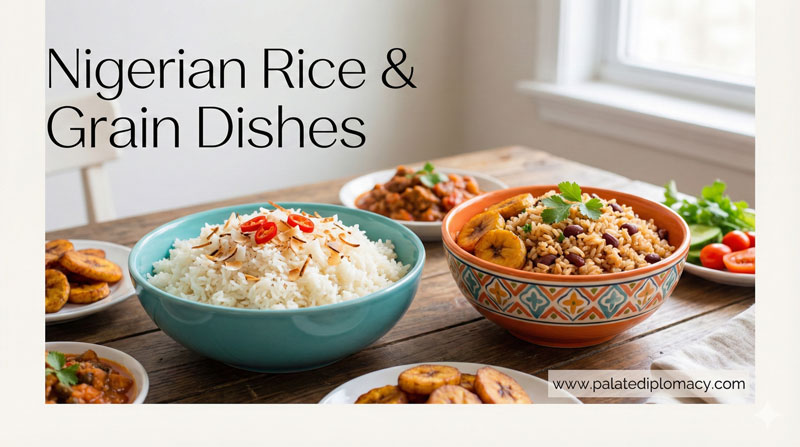
Top Reasons Nigerians Love Eating Rice and Beans
Rice and beans is more than a meal. It is a daily ritual that speaks to care, balance, and plenty. In Nigerian kitchens, the dish often appears for lunch and sometimes for dinner. It pairs beautifully with pepper sauce, stew, or a simple oil-based sauce. It travels well from pot to plate and into gatherings with friends and family. The appeal lies in simplicity, generosity, and the quiet confidence of a dish that satisfies.
A Classic Duo in Nigerian Kitchens
Rice and beans brings together two pantry staples that many households already stock: rice and beans. Rice provides a soft, neutral canvas, while beans deliver heartiness and protein. The combination creates a complete, budget-friendly meal that suits busy days and long ones alike. Families teach children to measure, rinse, and mix. The act of cooking becomes a shared tradition, passed from hands to hands. Each household adds its own touch, yet the core unity remains clear: warmth, nourishment, and togetherness.
Flavor Harmony and Culinary Significance
Beans are flavored with onion, peppers, and a touch of oil to bring depth. Rice is cooked with stock or water until just tender. When they meet, the flavors mingle in a gentle, satisfying way. The pepper-tomato notes from stew or sauce lift the dish, while the beans provide a savory richness. This balance highlights a hallmark of Nigerian home cooking: few ingredients, many flavors. The result is comforting and deeply satisfying, ready to pair with a fried plantain, fish, or greens.
Texture and Mouthfeel
The magic happens in texture. The beans soften to creaminess, yet hold a pleasant bite. The rice grains stay light and fluffy, with each grain separate. When the two come together, the sauce clings to both, creating a cohesive bite. This interplay of creaminess and lightness gives the dish a versatile mouthfeel. It works well for a quick family lunch or a slower, mindful meal on weekends.
Aroma, Color, and Cooking Techniques
Palm oil or vegetable oil lends a warm glow to the dish and a fragrant base. Onions sizzle, peppers perfume the kitchen, and garlic whispers in the background. The kitchen fills with a welcoming aroma that signals care. The color—from the amber sheen of oil to the rich tones of the stew—adds to the sensory experience. Simple techniques, repeated with love, make the dish inviting and memorable every time.
Everyday Meals and Festive Moments
Rice and beans anchors everyday meals with reliability. It travels with you to school lunches, office meals, and family picnics. Yet it also shines during celebratory moments, where it becomes part of a larger spread. In gatherings, it sits beside stews, roasted meats, fresh salad, and fried plantains. The dish scales with occasions, proving its versatility and enduring appeal.
Regional Variations and Personal Touches
Across regions, cooks adapt the dish with local flair. Some use palm oil for a deeper, earthy note; others favor a lighter oil or add smoked fish for extra savor. Plantains often accompany the plate, providing a sweet contrast. Some households fold in a touch of crayfish or pepper for brightness. Yet the essence stays intact: rice and beans as a nourishing, flexible duo that celebrates local ingredients and personal taste.
Practical Tips to Elevate Rice and Beans at Home
- Soak beans briefly to shorten cooking time and improve tenderness.
- Rinse rice until the water runs clear for fluffier grains.
- Build flavor with a simple tomato-pepper base and a little palm oil.
- Balance textures by serving with a crisp side like fried plantains or greens.
- Taste as you cook and adjust salt, heat, and acidity gradually.
- Let leftovers rest; a gentle reheat brings back softness and cohesion.
Conclusion: A Heartfelt Celebration of Flavor
Rice and beans stands as a beloved staple in Nigerian Food Culture. It embodies practicality, warmth, and shared joy. The dish invites people to slow down, savor a well-made plate, and feel connected to family and tradition. Its beauty lies not only in taste but in the everyday rituals around preparing and sharing it. For many, the meal is a cherished expression of home, care, and community.