
Reason 1: A Burst of Flavor and Texture
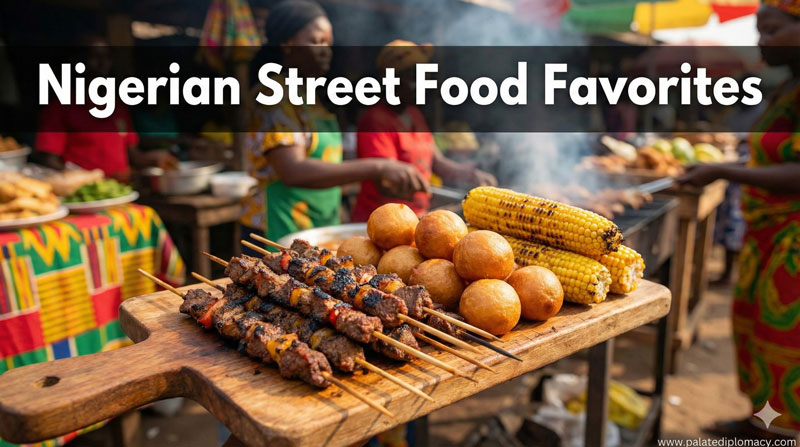
Suya delivers a vivid, memorable taste from the first bite. The meat is grilled over charcoal, which creates a gentle smoky edge. A spicy, nutty rub coats the surface, thanks to a mix often called yaji. Peanuts add a sudden, warm richness, while chili and seasonings wake the palate. Each bite blends tenderness with a light crust, and the aroma lingers invitingly. This harmony of smoke, spice, and crunch makes suya a standout in Nigerian street food.
Reason 2: A Social Thread in Nigerian Life
Suya sits at The Heart of daily life, where people gather at markets, street corners, and after-work hubs. Vendors roll their grills into view, and neighbors exchange greetings as the skewers turn. Sharing a plate becomes a small moment of togetherness, a chance to catch up and swap stories. The scene is welcoming, calm, and lively all at once. In this setting, suya becomes more than a meal; it is a social ritual.
Reason 3: Craft and Care in Preparation
The preparation behind suya shows thoughtful craft. The spice rub is applied evenly and with care, coating every piece for balanced heat and flavor. Meat is cut into uniform strips to grill evenly. Vendors monitor the flames, turning skewers to achieve even charring without drying the meat. The result is a disciplined blend of technique and art, where timing and texture matter as much as taste.
Reason 4: Flexibility Across Meats and Styles
Suya is versatile. Beef is a classic choice, yet goat and chicken are beloved alternatives. Some versions emphasize extra heat, while others lean milder. The spice mix adapts to these choices, maintaining its signature warmth and nutty aroma. Slices are commonly served with fresh onions, tomatoes, and cucumber, which provide a crisp counterpoint to the fat and spice. This adaptability helps suya feel familiar in many different settings.
Reason 5: A Symbol of Everyday Festivity
Suya conveys a sense of celebration in everyday life. It appears at family gatherings, neighborhood fairs, and evening strolls. The dish signals a moment to pause, savor, and connect. Its presence is a cue for warmth and hospitality, inviting everyone to share in a common joy. In this way, suya anchors memories of simple, joyful occasions.
Reason 6: Accessibility and Welcoming Flavor
One of suya’s strengths is its accessibility. It is often affordable and easy to find near busy streets and markets. This openness invites both longtime fans and new tasters. The bold yet balanced flavor makes it appealing to many palates. The experience is approachable: a few skewers, a friendly vendor, and a moment of savory satisfaction.
Reason 7: The Scent, Sound, and Social Rhythm
Beyond taste, suya engages the senses as a complete experience. The crackle of the charcoal, the scent of toasted peanuts, and the sight of red-orange spice on glossy meat create anticipation. The soft clink of onions and tomatoes adds to the rhythm of street life. This sensory blend reinforces why suya feels integral to Nigerian food culture.
Conclusion: Suya as a Living Cultural Taste
Top Reasons Nigerians love eating suya come together as a celebration of flavor, community, and craft. The dish offers a reliable, shared experience that travels from market stalls to family tables. It honors tradition while inviting personal taste, making each skewer a small, delicious story of Nigerian food culture. Suya remains a bright, inviting emblem of everyday culinary joy.