
What Makes Cinnamon Buns So Special in Nordic Cooking
In Nordic kitchens, cinnamon buns are not just a pastry. They are a daily ritual, a moment of warmth, and a gentle bridge between meals and conversations. This humble treat carries a quiet dignity that has shaped daily life for generations. It invites people to slow down, to notice aroma and texture, and to share a small moment of delight. The result is a dish with lasting cultural value and enduring culinary significance.
Fika and Community
At the heart of much Nordic baking is fika—the simple practice of pausing with coffee and something sweet. Cinnamon buns rise into this ritual as familiar companions that welcome neighbors, coworkers, and family. The act of breaking bread together becomes a social habit as reliable as the morning sun. Bakers and non-bakers alike find their place beside a warm tray, exchanging smiles as the buns release a comforting scent through the room. In this way, the cinnamon bun becomes more than food; it becomes a social instrument that nurtures conversation, courtesy, and connection.
The Craft: Dough, Filling, and Technique
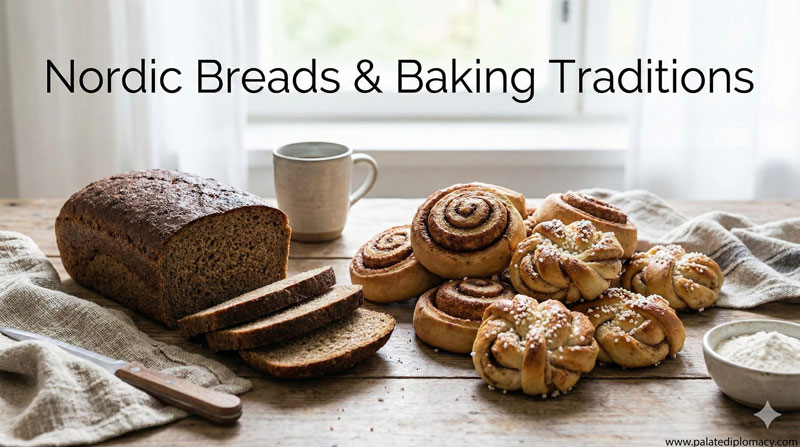
The craft of a Nordic cinnamon bun blends patience with precision. A soft yeast dough forms the foundation, enriched with milk or cream, butter, and a touch of eggs. The dough rests and rises, gaining tenderness and a subtle depth of flavor. The filling is a bright swirl of cinnamon, sugar, and butter, sometimes with a hint of cardamom to brighten the aroma. When rolled, the dough folds upon itself, creating the classic spiral. Slicing the log reveals a crisp edge and a tender interior. Baking transforms the swirls into glossy rounds that glow from the oven’s warmth. The finishing touch—glaze or a light dusting of pearl sugar—adds a final gleam. Through this sequence, bakers pass on a heritage of technique: gentle kneading, even rolling, mindful proofing, and attentive baking. The result is consistent comfort, a sign that skill and care matter in Nordic cooking.
The Language of Flavor: Cinnamon, Cardamom, and Sugar
Cinnamon is central, yet not solitary. Its sweet, earthy notes are complemented by butter’s richness and sugar’s glassy shine. Cardamom is a common companion in many Nordic versions, lending citrusy, spicy brightness that brightens the filling. The balance is deliberate: enough warmth to feel cozy, enough sweetness to feel uplifting, and enough aroma to invite a second bite. The texture matters as well. A well-made bun feels soft and airy on the inside, with a gentle chew on the outside. This texture enhances the social experience too; it makes every bite feel Like a shared moment of comfort. The flavor language—warm spice, creamy richness, tender crumb—speaks softly of northern kitchens and their appreciation for nuance.
Regional Variations Across the Nordic Countries
Nordic cooking embraces small regional differences that celebrate local preferences while preserving a common identity. In Sweden, the cinnamon bun—known locally as a familiar staple in cafes and homes—often appears with a touch of cardamom and a glossy glaze. In Denmark, bakers may offer kanelsnegle with a slightly denser crumb and a richer butter finish. Norway presents elegant, slender twists and sometimes stronger cinnamon notes to match the cool climate. Finland brings korvapuusti to the table, with a generous cinnamon swirl and a distinctive dough texture that yields a soft, cloud-like bite. Across the region, the method remains similar, but tiny adjustments in spice, sugar, and dough hydration tell a story of place, season, and bakery tradition. These variations honor local grains, butter, and climate, while keeping the bun recognizably Nordic in spirit and flavor.
Gatherings and Celebrations
Cinnamon buns are welcome at many gatherings, from café breaks to family Sunday rituals. They often appear in markets, school events, and seasonal celebrations, offering a familiar, friendly flavor that can be shared across ages. The scent of warm cinnamon and melted butter can mark a moment of hospitality, inviting guests to linger a bit longer and enjoy conversation. In this sense, the bun becomes a cultural signpost: a signal that comfort and companionship are valued, and that everyday life can be celebrated with something as simple as a well-made pastry.
Serving, Presentation, and Moment
When served, cinnamon buns invite a slow, mindful approach. They pair beautifully with coffee or tea, and their glossy surface invites a touch of curiosity. Presenting buns on a wooden board or a rustic plate connects the dish to homey aesthetics and traditional kitchens. A light glaze or a dusting of pearl sugar adds a finish that catches the eye and invites the palate. Serving time becomes a chance to pause, observe, and appreciate the craft that went into making them. The moment is small but meaningful, reinforcing values of care, sharing, and everyday beauty.
Modern Twists, Yet Timeless
Contemporary bakers experiment with fillings, toppings, and shapes while honoring tradition. Some incorporate subtle almond paste for depth, others experiment with whole-grain dough for a heartier bite. Still, the core—soft dough, cinnamon-scented filling, and a warm finish—remains intact. These gentle innovations show how Nordic cooks honor the past while inviting new flavors and textures. The result is a living tradition: a dish that feels both familiar and fresh, rooted in memory and open to everyday creativity.
Preserving a Gentle Craft for Future Generations
The enduring appeal of cinnamon buns lies in their balance of simplicity and craft. By teaching younger bakers the basics—measuring with care, maintaining a steady rise, handling dough gently—communities keep the practice alive. The bun becomes a shared language that crosses generations, a way to tell stories of home, season, and local life through aroma and taste. In preserving this gentle craft, families and cafes alike nurture a sense of continuity and belonging.
Closing Thoughts
What makes cinnamon buns so special in Nordic cooking is not only their comforting flavor but their role as a vessel of culture. They embody a spirit of hospitality, a respect for craft, and a celebration of everyday moments. The dish invites us to slow down, savor the moment, and enjoy a small ritual that binds people together. In this way, the cinnamon bun is more than food; it is a quiet ambassador of Nordic warmth and togetherness.