
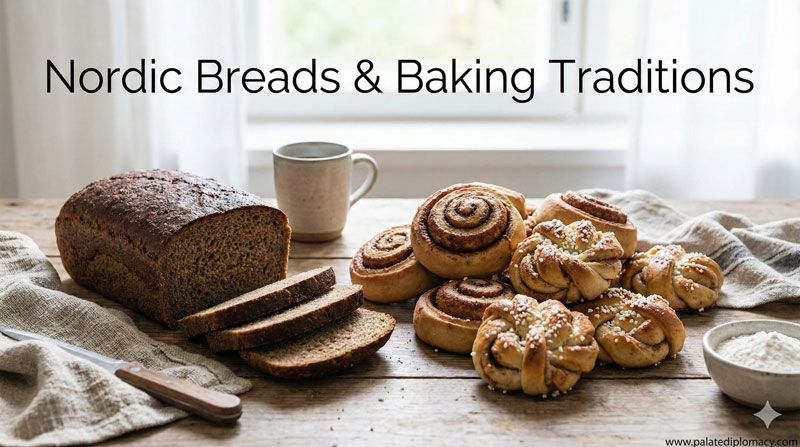
Everything You Need to Know About Nordic Flatbread
Nordic flatbread is more than a simple bread. It is a quiet, everyday delight that travels through time with grace. This dish invites curiosity about how a few ingredients become a canvas for flavor, texture, and memory. In Nordic kitchens, flatbread often accompanies meals, marks moments of sharing, and celebrates the rhythm of the seasons. This guide explores its cultural value and culinary significance with care and clarity.
What is Nordic Flatbread?
Nordic flatbread is a thin, pliable bread baked on a hot surface. It can be soft and flexible or crisp and wafer-thin, depending on the recipe and method. The dough usually relies on a few staple ingredients: flour, water, salt, and a little fat or oil. Some versions include milk, yeast, or natural leavening, which adds subtle depth. The result is a versatile base that invites a wide range of toppings and fillings. The bread itself often acts as a partner to other flavors, rather than stealing the spotlight.
Cultural Value: Daily Life and Shared Moments
In Nordic homes, flatbread appears at many tables. It supports everyday meals with ease and resilience. The bread travels well, which Makes It a friendly companion for picnics, markets, and family gatherings. Its simplicity is a reminder that good food can come from small, thoughtful steps. Flatbread also acts as a gentle conduit for seasonal flavors. Fresh herbs in the summer, smoked fish in the winter, berries, and dairy products all find partners on the same plate. The bread’s adaptability mirrors the regional pantry and the cooks who craft meals with care.
Culinary Significance: A Canvas for Nordic Flavors
The beauty of Nordic flatbread lies in its balance. The dough is modest, but the toppings and fillings are where the story unfolds. Because the bread is thin, it pairs well with bold flavors like smoked salmon, creamy cheeses, or herb butter. It also welcomes sweeter accompaniments, such as jam or honey, for a contrasting finish. The flatbread’s texture—crisp on the edges, tender in the center, or softly pliable—enhances the dining experience by adding a gentle crunch or a smooth bite. In this way, the flatbread becomes a flexible stage for the region’s seafood, dairy, berries, and seasonal herbs.
Regional Notes: Variation Across Nordic Lands
Across Nordic countries, flatbread traditions share a spirit of simplicity and versatility, yet each region adds its own character. In coastal areas, you may find flatbreads designed to balance salt air and briny flavors from the sea. Inland regions often emphasize hearty grains and dairy accents. In practice, you might encounter flatbreads that are:
- Thin and crisp, ideal for breaking into pieces and dipping.
- Soft and pliable, ready to wrap savory fillings.
- Woven with seeds or herbs that echo local harvests.
These variations reveal how cooks respond to available ingredients, climate, and family tastes. The common thread is a respect for texture, balance, and the joy of sharing a warm bread with others.
Techniques and Textures: How the Dough Comes to Life
Mastering Nordic flatbread is about feeling the dough and watching the heat. Start with a simple dough and let it rest if time allows. Resting helps the gluten relax, which makes rolling easier and the final bread tender. Roll the dough thin enough to be flexible, yet sturdy enough to hold toppings. The cooking surface matters. A hot griddle or heavy skillet gives a quick sear and a light, even color. Some bakers finish on a hot oven to set the crust for a crisper bite. The goal is a texture that invites a gentle chew, punctuated by a crisp edge or a delicate crust, depending on the style you choose.
Pairings and Serving Ideas: Tasting the Culture
Nordic flatbread shines when it meets the region’s favorite flavors. Here are thoughtful pairings that respect both tradition and taste:
- Smoked or cured fish, lemon, and dill
- Creamy cheeses, butter, and a drizzle of honey
- Fresh berries, jam, and a touch of salt
- Roast vegetables, herbs, and a smear of cultured dairy
- Simple olive oil, sea salt, and a squeeze of citrus
For serving, consider how the bread will be consumed. If you plan to wrap fillings, keep the dough pliable. If you prefer dipping, slice the bread into convenient wedges. The flatbread’s light structure makes it a friendly platform for elegant or everyday toppings. The result is a meal that feels thoughtful yet uncomplicated.
Regional Variations in Practice
People across Nordic regions often adapt flatbread to local customs. In some areas, flatbread accompanies fish courses with light dairy sauces. In others, it serves as a vessel for seasonal vegetables and herb butters. The bread’s flexibility means it can be a quiet daily staple or part of a larger table setting for special moments. In all cases, its appeal rests on quality ingredients, careful preparation, and a sense of shared appetite.
A Simple, Mindful Approach to Nordic Flatbread
If you are new to this dish, start with a small batch and observe how the dough behaves. Notice how the dough rests and how the surface responds to rolling. Pay attention to heat: a quick, even cook yields a tender yet crisp result. Taste as you go, adjusting salt and, if desired, a touch of oil or butter. Above all, enjoy the process. The bread is a bridge between cooking and conversation, a way to slow down and savor the moment.
Final Thoughts: The Quiet Beauty of Nordic Flatbread
Nordic flatbread embodies a refined simplicity. It honors the quiet artistry of daily cooking and the joy of sharing food with others. Its cultural value lies in its adaptability, its ease of use, and its capacity to highlight seasonal flavors. Its culinary significance rests in how it enhances a meal without overpowering it. This bread reminds us that nourishment can be gentle, flavorful, and deeply connected to place. Whether you enjoy it on a casual afternoon or as part of a thoughtful gathering, Nordic flatbread offers a timeless invitation: to taste, to share, and to appreciate the quiet beauty of everyday cuisine.