
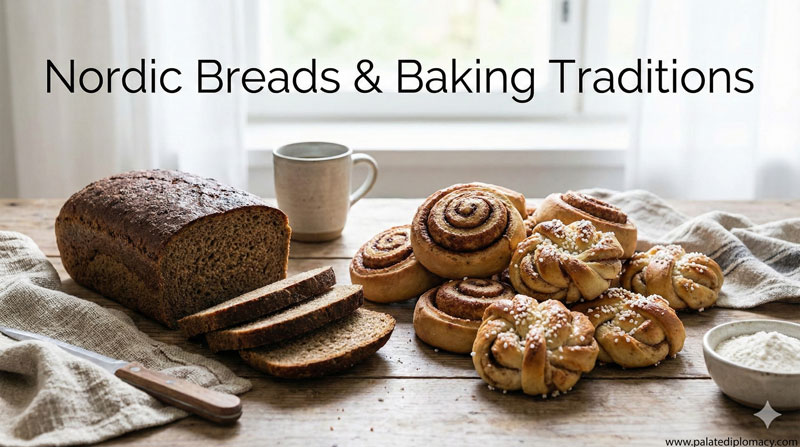
The Story Behind Nordic Flatbread, a Nordic Food Favorite
The Story Behind Nordic Flatbread, a Nordic Food Favorite is a celebration of simplicity and belonging. This humble bread holds a quiet resonance in many Nordic homes. It appears at breakfast tables, on market stalls, and alongside open-faced meals. It invites conversation, kindness, and a cozy sense of place. The dish is not just food; it is a page in a living culture, a link between seasons, fields, and families. In this post, we explore its cultural value and culinary significance, listen to its subtle notes, and celebrate the beauty it brings to the table.
A Simple Dish, Deep Tradition
Nordic flatbread relies on few ingredients, chosen with care and respect for the land. Flours may come from rye, barley, or wheat, often mixed with water and salt. Some cooks add a little oil or fat for tenderness; others keep the dough lean and crisp. The preparation is straightforward, yet every step carries memory: the feel of dough as it rests, the glow of a hot pan or stone, the scent that fills the kitchen as it bakes. This simplicity makes the flatbread adaptable to family routines and seasonal markets. It teaches us that nourishment can be direct, honest, and deeply meaningful.
Craft That Connects Generations
The craft of Nordic flatbread is a quiet conversation between baker and bowl, now and then. Mixing and resting set the stage for texture and flavor to emerge. Rolling the dough thin creates a gentle bite that can be crisp or pliable, depending on region and purpose. Baking on a hot surface—stone, skillet, or griddle—enlivens the bread with a light enamel of heat. The final shape, whether round, oblong, or rustic, mirrors a Local habit and a family technique. Each loaf carries practice passed down through generations, a small testament to patience, care, and continuity in daily life.
Regional Voices: Variations Across the Nordic Lands
Across Nordic regions, flatbread takes many forms, each with its own character. In some areas, crisp, sturdy flatbreads with rye and barley stand up to hearty toppings and long storage. In others, softer, thinner rounds arrive at the table, ideal for wrapping fillings or pairing with delicate spreads. The texture and aroma tell a place: a cool coast, a sunlit farm, a busy harbor kitchen. Bakers may add seeds, herbs, or a touch of sweetness to suit local tastes and seasonal harvests. Yet the core idea remains the same—a bread that invites sharing and brings warmth to the table.
The Plate: Pairings and Everyday Use
Nordic flatbread shines in its culinary versatility. A thin slice brushed with good butter awakens the palate, while a spread of soft cheese or cultured dairy adds creaminess. Smoked fish, herb-dense salads, or crisp vegetables transform the bread into a light, satisfying meal. It supports both open-faced sandwiches and simple, comforting snacks. In soups and stews, it acts as a companion—dipping, mopping, and sopping up flavors with quiet grace. The flatbread’s unobtrusive character lets other ingredients speak, while its own subtle grain notes provide a welcoming backbone to any plate.
Social Moments: Markets, Cafés, and Family Kitchens
This bread often accompanies social moments. At village markets, it is a handy, shareable staple that travels well and keeps well through the day. In cafés, it appears beside coffee and tea as a gentle, satisfying bite. In family kitchens, it rests on the counter, ready to accompany a quick lunch or a cherished weekend breakfast. The bread’s presence at these gatherings reinforces a sense of belonging and continuity. It is not flashy, but it carries a gentle authority: a dependable companion that makes ordinary meals feel complete.
Modern Nordic Interpretations: A Timeless Canvas
Today’s Nordic chefs explore flatbread as a canvas for creativity while honoring tradition. They experiment with seeds—pumpkin, sesame, sunflower—or with grains like oats and barley to shape texture and flavor. They layer toppings that echo Nordic larders: smoked fish, cured vegetables, fresh herbs, and a touch of tangy dairy. Yet even in these refined interpretations, the flatbread remains grounded in the everyday, connecting modern plates to ancestral kitchens. The result is a shared cuisine that respects history while welcoming new expression.
A Taste of Place: How to Savor It
To fully appreciate the story, approach Nordic flatbread with curiosity. Try it warm, fresh from the griddle, with a dollop of butter that melts into the surface. Add a slice of cheese or a ribbon of smoked fish to experience a balance of textures and flavors. Pair it with crisp greens or a bright herb oil to highlight its grain notes. Remember that the joy of this bread often lies in its simplicity: a few high-quality ingredients, prepared with care, creating a moment of calm and connection.
The Story Continues
The Story Behind Nordic Flatbread, a Nordic Food Favorite invites us to slow down and listen to the kitchen’s rhythms. It reminds us that culture can be nourished not by complexity alone but by the quiet, reliable presence of a well-made loaf. In homes, markets, and dining rooms across the Nordic region, this flatbread remains a beloved thread—easy to make, generous to share, and rich in cultural value. As tastes evolve, the bread adapts while keeping its essential identity: a simple, beautiful food that honors the land, the people, and the stories we tell at every table.