
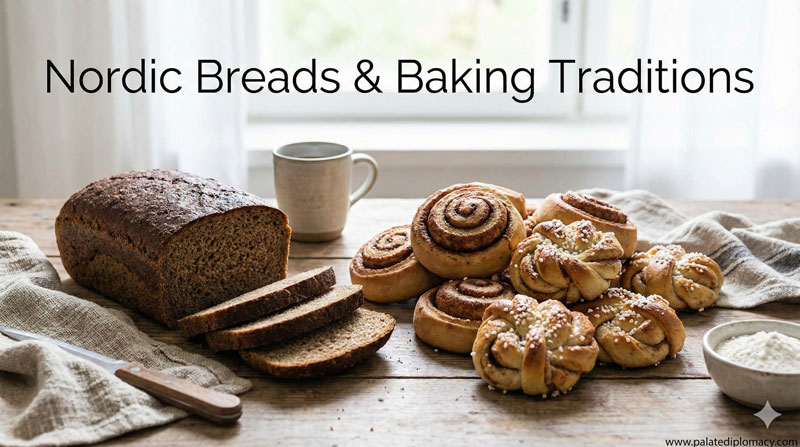
The Story Behind Nordic Flatbread, a Nordic Food Favorite
Nordic flatbread is more than a snack. It is a quiet celebration of grain, craft, and daily life across the Nordic countryside. The dish speaks to hands that mix, roll, and heat with care. It embodies a balance between simplicity and beauty, where every bite carries a sense of place. In homes and cozy cafes alike, this bread welcomes everyone to the table with warmth and clarity. The Story of Nordic flatbread unfolds through its texture, its aroma, and the way it pairs with local flavors, season after season.
The basic idea is timeless: a dough made from local grain, water, and a touch of salt, worked with patient hands. Some families add milk, butter, or a splash of oil to enrich the crumb. Others keep it lean and pure, letting the grain tell the tale. The dough rests briefly or goes straight to the heat, depending on the kitchen. Then comes the moment of transformation—thin rounds press against a hot pan or griddle, turning fast from raw to ready. The result is a bread that can be soft and pliable or crisp and sturdy, always inviting a moment of concentration and care. This is not a rush dish; it honors the rhythm of the day.
As it travels from kitchen to table, Nordic flatbread carries memories. It appears at breakfast with butter and cheese, at lunch beside smoked fish, or at a simple supper with vegetables and jam. Its versatility makes it a gentle partner to many flavors found in the region. In its best moments, it feels Like a shared smile: familiar, comforting, and easy to love.
A Simple Yet Rich Flatbread: Ingredients and Technique
- Lightweight ingredients that honor local grains: flour made from rye, barley, wheat, or a blend. A pinch of salt helps shine the grain’s natural flavors.
- Optional enrichers: a splash of milk or water, a small amount of oil or melted butter, and sometimes a little yeast or sourdough for lift.
- A quick rest can help relax the dough, but even a brief rest yields a better texture.
Method in brief:
– Mix dry ingredients, then add liquid. Stir until a cohesive dough forms.
– Knead gently for a minute or two. The goal is smoothness, not a tough gluten.
– Divide into small balls and roll each into a very thin circle. The thinner, the crisper or more delicate the bread will be.
– Heat a heavy skillet or griddle until very hot. Cook the flatbread for a couple of minutes on each side, watching for light browning and gentle blistering.
– Cool on a rack and serve soon after. In many kitchens, it pairs best with something creamy, tangy, or salty.
Tips for home cooks:
– Use a surface that distributes heat evenly. A cast-iron skillet is ideal.
– Keep the dough pieces small for easier rolling and more consistent cooking.
– If you want a softer bread, cover the freshly cooked rounds with a clean cloth to trap steam as they rest.
– Experiment with toppings or mix-ins, such as sesame, caraway, or poppy seeds, to echo local flavors.
Cultural Significance Across Nordic Regions
Across the Nordic regions, flatbread appears in many local names and styles, yet the core idea stays clear: bread that belongs to daily life. In coastal towns and inland farms alike, cooks value this bread for its reliability, its quick turnaround, and its ability to harmonize with the season’s harvest.
- In some areas, the bread leans toward a crisp texture, holding up to hearty toppings and dried fish. In others, it remains tender enough to wrap around vegetables or cheese. The range from crisp to soft reflects regional grain varieties and cooking traditions, yet the spirit remains the same: a bread that invites sharing.
- The ritual of making flatbread is often a family affair. Children learn to roll and watch the heat. The aroma fills the kitchen, signaling meal time or a friendly gathering. This creates a sense of continuity, where recipes are passed along with pride and affection.
- When served, Nordic flatbread shines with simple accompaniments: a pat of butter, a slice of cheese, a thin ribbon of smoked salmon, or a spoonful of jam. These pairings highlight the bread’s clean taste and flexible texture. The result is a meal that feels bright, honest, and complete.
Seasonal accents also shape the experience. In the harvest months, local grains lend a distinct character to the dough. In the cooler season, a touch of warmth—perhaps butter or a creamy cheese—accentuates comfort and nourishment. This bread adapts, yet never loses its core identity: a delicious, dependable partner at the table.
Pairings and Today’s Tables
Nordic flatbread invites pairings that honor the region’s pantry. Try:
– Butter that spreads and melts with gentle richness.
– Creamy cheeses or soft, mild curds that melt into the bread’s surface.
– Smoked or pickled fish for a coastal flavor profile.
– Fresh herbs or greens, adding brightness without overpowering the grain.
– Berries, jams, or honey for a touch of sweetness that complements the bread’s quiet savor.
The beauty of these combinations is in their balance. The flatbread provides a blank canvas, and the toppings offer character. Together, they create meals that feel uncomplicated yet deeply satisfying. This is a dish that makes everyday meals feel considered and complete.
Creating the Moment: Sharing and Hospitality
A key layer of Nordic flatbread is its role in hospitality. A simple plate can invite conversation, a shared bite, and a pause to savor the present. Friends and family gather around the kitchen, passing the bread from pan to plate, exchanging smiles and small stories. The act of making and sharing this bread becomes a small ceremony—calm, respectful, and welcoming.
In many homes, the bread is part of weekend rituals or special-yet-simple occasions. It is a reminder that good food can be made with ordinary resources and patient hands, creating moments of warmth and connection. The beauty lies not only in the taste but in the experience—the aroma rising, the sizzle on the pan, the easy chatter around the table.
Tips for Home Cooks: Honoring a Nordic Favorite
- Choose grain varieties you enjoy. Rye and barley bring earthy notes; wheat offers a milder, softer crumb.
- Roll the dough as thin as you can manage without tearing. A thinner sheet yields a lighter texture.
- Heat matters. A hot pan shortens cooking time and helps achieve a delicate browning.
- Respect regional differences. If you hear a traditional recipe in your area, try it once to taste the local character.
- Keep it flexible. The bread welcomes many toppings, from simple butter to more elaborate flavors.
Conclusion: A Dish That Connects Taste and Tradition
The Story Behind Nordic Flatbread, a Nordic Food Favorite, is a reminder that great food often starts with simple steps and patient hands. It is a bread that travels well in spirit—across kitchens, seasons, and small tables—while staying firmly rooted in local grain and taste. Its beauty lies in its versatility, its quiet resilience, and the way it enhances everyday meals without demanding the spotlight. As you slice and share, you join a long line of cooks who have kept this Nordic tradition alive—one crisp edge, one soft crumb, and one warm moment at a time. This is not just bread; it is a respectful nod to a region’s culinary heart and the daily joy of gathering around the table.