
Introduction
Mushroom soup sits at the Heart of Nordic Food Culture. It is simple, warm, and deeply rooted in everyday life. The dish speaks to how Nordic kitchens honor the forest, the seasons, and the comfort of a well-made bowl. It invites curiosity about flavor, texture, and balance. You will notice how the soup blends earthiness with light cream and crisp herbs. In short, it is a celebration of quiet, thoughtful cooking.
The forest gift: mushrooms in Nordic cuisine
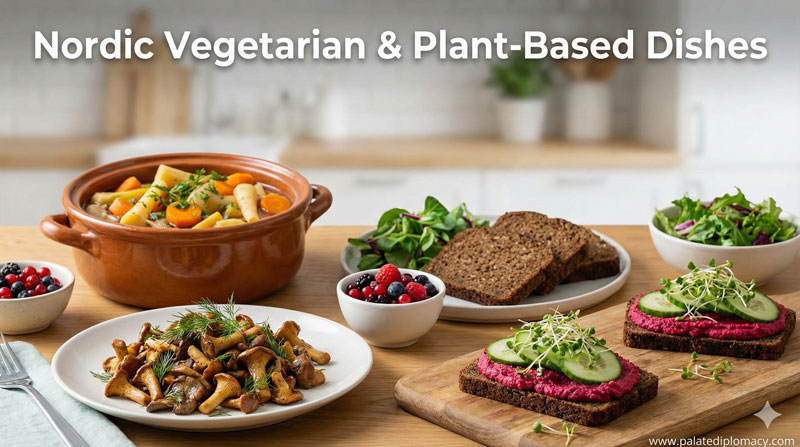
Nordic forests offer a quiet pantry. Mushrooms such as chanterelles and hardy boletus appear in many homes as autumn arrives. The flavors are earthy, bright, and versatile. Cooks seek a clean mushroom taste, letting it shine. They pair the mushrooms with simple stock, milk or cream, and a touch of salt. The result is a soup that feels honest and true to the land. This reverence for the forest helps explain why mushroom soup remains a favorite across Nordic kitchens. It is a dish of season and place.
Technique and texture: building depth with restraint
The best mushroom soup builds depth without crowding the mushroom flavor. First, cooks warm a little fat and soften the mushrooms to release their aroma. Next, they add a light stock or water to lift the flavor. Then comes cream or milk to give a silky body. A gentle simmer keeps the texture smooth, not heavy. Some recipes blend part of the soup for a creamy texture while leaving other bits whole for interest. The result is a velvety, inviting bowl with a clear, earthy note and a bright finish from herbs or a squeeze of lemon.
Cultural significance: seasonality, simplicity, and care
Nordic culture values seasonality and purposeful ingredients. Mushroom soup embodies restraint and care. It uses what is readily available, yet treats it with respect. The dish often appears on tables during cooler months, offering nourishment and calm. It invites mindful tasting: first the aroma, then the smooth mouthfeel, then the soft sweetness of the mushrooms. Sharing a bowl fosters quiet conversation and appreciation for everyday craft. In this way, the soup becomes more than food; it becomes part of a seasonal rhythm.
Regional flavors across Nordic countries
Across the Nordic region, cooks adapt the base with local touches. In some homes, dill or chives brighten the stock, while in others a whisper of thyme or parsley adds a fresh note. Creamy variants are common, but lighter broths also shine, especially when paired with hearty bread. Some kitchens finish the soup with a splash of rye beer or a drizzle of good oil for extra gloss. These small differences highlight regional pride and the idea that a shared dish can reflect local landscapes and pantry choices.
The ritual of serving and sharing
Serving mushroom soup invites a calm moment at the table. A warm bowl, a piece of rustic bread, and a pat of butter create a simple, comforting scene. Steam rising from the surface signals freshness and care. Diners savor the aroma first, then the smooth texture, then the nuanced mushroom flavor. This ritual emphasizes hospitality, quiet conversation, and gratitude for seasonal ingredients. In Nordic homes, a well-made bowl becomes a focal point for togetherness and everyday joy.
Conclusion
Mushroom soup is a graceful reflection of Nordic food culture. It celebrates the forest, honors seasonality, and honors craft. The dish is accessible, yet deeply expressive. It shows how simple ingredients, handled with care, can yield warmth, comfort, and shared satisfaction. In this, the soup remains a timeless bridge between place, season, and people.