
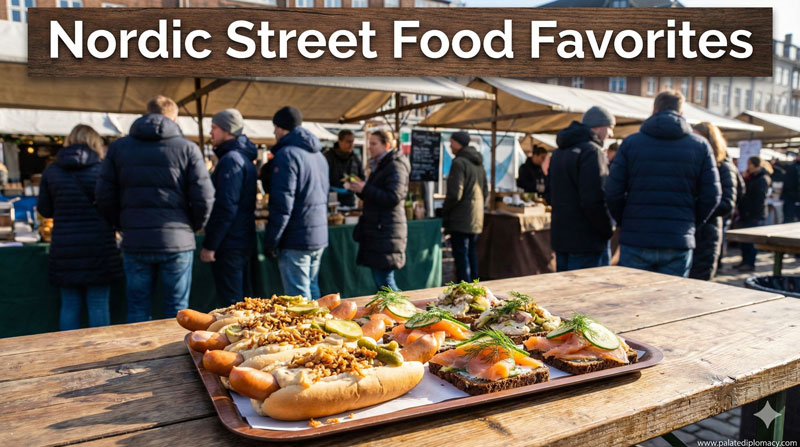
What Makes Open-Faced Sandwiches So Special in Nordic Cooking
This dish, known worldwide as open-faced sandwiches, sits at the Heart of Nordic cooking. It brings a thoughtful balance of bread, toppings, and technique. In Denmark, Sweden, Norway, Finland, and Iceland, these plates express place, season, and care. The act of building and eating them feels both intimate and celebratory.
The Bread: The Foundation of Nordic Open-Faced Sandwiches
The bread is the foundation. Nordic bakers favor dense rye, sometimes with a touch of sourdough. The crust crackles and the crumb stays moist. A thin spread of butter or creamy cheese helps the toppings cling and adds sheen. Slice thickness matters; too thick hides flavors, too thin leaves toppings ungrounded. The bread invites a careful balance between sturdiness and tenderness, so each bite holds its character.
The Toppings: Fresh, Local, Seasonal
Toppings vary with coast and farm. On the coastline, cured fish, pickled herring, salmon, or shrimp bring bright salinity. Inland, baked eggs, creamy cheese, cured meats, and earthy mushrooms unfold depth. Fresh vegetables like cucumber, radish, fennel, and dill brighten the plate, while greens and herbs crown the top with fragrance. The magic lies in balance: a salty note meets a tangy lift, a creamy layer meets crisp textures, and seasonal produce guides every choice. This approach shows how Nordic cuisine respects the land and sea through ingredients.
The Craft of Layering and Presentation
Craft matters as much as taste. Begin with bread and a light fat to help everything stay in place. Add protein or fish, then vegetables, then herbs. The order isn’t just practical; it shapes the experience of flavor with every bite. Color and texture should sing together, inviting the eye before the palate. A neat arrangement, with thoughtful slices and a touch of garnish, conveys care and pride in simple ingredients.
The Social and Cultural Role
Open-faced sandwiches thrive in homes and cafés as a calm, shared ritual. They invite conversations as family and friends gather around a board or plate. The practice teaches patience, attention to detail, and respect for seasonal ingredients. They pair well with a cup of coffee or tea and a moment of pause in the day. In this way, the dish becomes more than nourishment; it becomes a daily celebration of togetherness and good taste.
Regional Voices Across the Nordic Kitchen
Denmark’s smørrebrød is often a gallery of toppings, each bite telling a story of craft and seasonal produce. Sweden’s smörgås emphasizes clean, bright flavors with simple fillings that showcase the bread’s character. Norway leans into Fresh Seafood and wild herbs gathered from coast and hillside. Finland blends rye with a touch of sweetness from berries and dairy. Iceland adds greens and dairy notes that thrive in its cool climate. Across these regions, the shared language remains: respect for ingredients, care in assembly, and an eye for balance.
Seasonal Sustainability and Modern Expressions
Seasonal choices strengthen the dish’s appeal and reduce waste. Local markets supply vegetables, fish, and cheeses at their peak, guiding thoughtful combinations. Modern chefs experiment with textures, such as crisped bread, creamy spreads, and bright pickles, while preserving the core idea: a simple plate that honors quality ingredients. This openness keeps the tradition alive while inviting new voices to contribute to the same table.
A Celebration of Everyday Craft
Open-faced sandwiches celebrate everyday cooking as an art. They remind us that flavor can emerge from restraint, patient layering, and the harmony of seasonal produce. The dish invites us to slow down just enough to notice texture, color, and aroma. In Nordic cooking, this is more than food; it is a small ceremony of skill, care, and gratitude for the lands and seas that nourish us.
If you seek a dish that encapsulates cultural value and culinary significance, look to open-faced sandwiches. They are where craft meets season, where bread becomes a stage for bright ingredients, and where the table becomes a shared memory of place.