
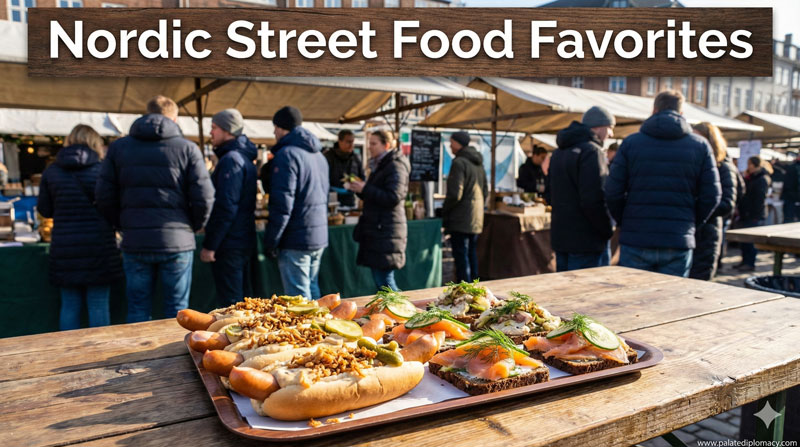
What Makes Open-Faced Sandwiches So Special in Nordic Cooking
Open-faced sandwiches, a staple in Nordic kitchens, are more than a quick bite. They are a celebration of balance, seasonality, and craft. Each slice of bread becomes a stage for carefully chosen toppings. The result is a plate that feels both simple and deeply intentional. In Nordic cooking, this dish invites care and attention, turning a everyday meal into a small ceremony of taste and artistry.
A Simple Yet Deep Craft: The Bread and Toppings
The bread is the foundation. In Nordic kitchens, it bears the weight of the toppings with grace. Rye bread, especially the dense rugbrød of Denmark, provides a sturdy, slightly sweet counterpoint to sharp pickups like pickled herring or strong liver pâté. Crispbread offers a light, crackling counterpoint when used as a base. Soft white loaves are also enjoyed in many homes, creating a gentler canvas. The bread itself tells a Story of regional grain and traditional baking.
Toppings matter just as much as the bread. A classic Danish open-faced sandwich might include pickled herring, a slice of boiled egg, cucumber, onion, and a touch of remoulade. Roast beef with horseradish sauce is another beloved combination. Gravlax, dill, and a dollop of mustard-dill sauce appear in many forms Across the North. Shrimp, sliced cheese, smoked salmon, and cured fish also play starring roles. Add a fresh herb, a thinly sliced radish, or a crisp leaf of lettuce to bring brightness. The key is restraint: each topping adds a note, never a roar.
- Bread choices set the mood; toppings complete the scene.
- Texture contrasts, from creamy sauces to crunchy vegetables, bring interest.
- Color combinations create visual appeal and appetite.
Seasonal Seasons: Freshness in Nordic Open-Faced Sandwiches
Nordic open-faced sandwiches thrive on seasonal produce. In spring, herbs like dill, chives, and young greens lift the toppings. Early summer brings tender cucumbers and ripe tomatoes. In winter, preserved or smoked ingredients—such as cured fish or browned cheese—offer warmth and depth. Autumn mushrooms or root vegetables can find a place alongside creamy spreads. The practice is to let the season guide what sits on the bread. This attention to freshness keeps the dish lively all year round.
A thoughtful sandwich feels connected to the land and the moment. Even the choice of sauce or spread can reflect the season’s mood. A bright remoulade may wake up a dish in summer, while a rich, mellow cheese spread can anchor a winter version. The result is a versatile, living tradition that remains inviting and relevant.
The Social Moment: Sharing and Craft
Open-faced sandwiches are often shared in a social setting. A well-laid platter becomes a visual invitation to taste and conversation. In home kitchens, family members join in the assembly, each adding their own touch. In gatherings, the host may present several finished examples, letting guests sample and compare. This practice highlights hospitality, attention to detail, and communal enjoyment. The act of building a sandwich becomes a small but meaningful ritual, signaling care for guests and a pride in everyday cooking.
Regional Voices: Denmark, Sweden, Norway, Finland
- Denmark: Smørrebrød is a hallmark of Danish lunch culture. The technique often uses a two-layer approach: a sturdy base and a delicate, mounted topping. The result is a harmonious balance of texture and flavor that can range from simple to elaborate.
- Sweden: In Sweden, räksmörgås (shrimp sandwich) is iconic. Mayonnaise, lettuce, eggs, and shrimp create a fresh, ocean-bright plate. Gravlax with mustard sauce is another frequent favorite, combining creamy and savory notes with a bright finish.
- Norway: Norwegian open-faced sandwiches often feature brunost (brown cheese) or fish, paired with jam, cucumber, or herbs. The combination of sweet and savory elements highlights the Nordic palate’s love of contrast.
- Finland: Finnish voileipä traditions emphasize rye or crispbread with egg, cheese, cucumber, tomato, or herring. The approach remains practical and satisfying, rewarding simple ingredients with thoughtful arrangement.
Each country adds its own texture to the shared idea: a canvas that showcases local ingredients, seasonal sensibilities, and everyday culinary joy. The result is a cohesive Nordic story told through plates and shared tables.
The Aesthetic Appeal: Color, Texture, and Balance
Open-faced sandwiches celebrate color and texture. A pale rye base becomes lively with orange fish, green herbs, and the pale yellow of butter or sauce. Creamy elements meet crisp vegetables to create layers of mouthfeel. The visual balance matters as much as the taste. The eye first notices the arrangement, then the bite confirms the harmony. This emphasis on presentation reflects a broader Nordic value: care in small things, done well.
Culinary Significance: A Lesson in Restraint and Balance
Texture, balance, and flavor coherence are central. A good open-faced sandwich uses a few well-chosen ingredients that complement rather than overpower one another. Saltiness from cured fish or cheese is offset by acidity from pickles or a tangy sauce. Creaminess from a spread or sauce meets the crunch of vegetables or crisp bread. The discipline of restraint makes each bite a precise experience. In this way, open-faced sandwiches embody a philosophy of cooking that honors quality over quantity and seasonality over spectacle.
Pairings and Occasions
These sandwiches suit both everyday lunches and special gatherings. They pair nicely with light beverages, such as sparkling water or a simple white wine, and with casual chats that fill a kitchen or dining room. Their versatility makes them appropriate for quick meals, festive lunches, and leisurely brunches alike. The open-faced format invites variation, so home cooks can adapt to what the pantry provides while preserving a shared cultural spirit.
A Closing Note
Open-faced sandwiches in Nordic cooking reveal a tradition built on thoughtful ingredients, careful technique, and a warm sense of hospitality. They are not hurried snacks but deliberate expressions of place, season, and craft. Each bite offers a quiet celebration of everyday nourishment and the beauty of eating well together. If you seek a dish that is at once simple, refined, and deeply regional, this Nordic favorite welcomes you with open bread.