
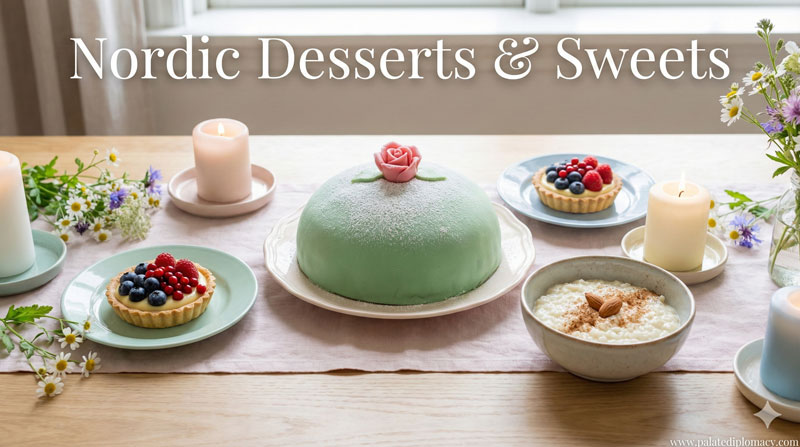
Introduction: A Taste of Nordic Culture Through Pastry
How Nordic pastries reflect Nordic Food Culture is a story told in buttered layers, fragrant spices, and a steady rhythm of daily life. These treats are more than sweets; they are artifacts of seasonal work, shared rituals, and careful craft. Each bite invites us to observe how people in northern climates approach nourishment, hospitality, and beauty. The dish we explore here welcomes readers into a world where simple ingredients become meaningful traditions, where dairy, grains, and spice travel from field to bakery to table with care. This is a celebration of flavor, technique, and community.
The Craft Behind Nordic Pastries
Nordic pastries showcase a mastery of technique that has evolved to suit the climate and the palate. Laminated doughs, rich with butter, create flaky textures that melt in the mouth. Yeast-based doughs rise with gentle air, releasing comforting aromas of vanilla, cardamom, and citrus zest. The balance between sweetness and depth comes from restrained sugar, warm spices, and the quiet luxury of quality dairy. Bakers layer flavors through fillings and toppings that are bright enough to lift the pastry without overwhelming it.
The craft also highlights restraint paired with generosity. A well-made pastry might feature a simple swirl of cinnamon and sugar or a more elaborate filling of almond paste, citrus zest, and a glossy glaze. Each choice serves a purpose: to echo the season, to honor the craft, and to offer a moment of calm delight. This focus on technique and balance mirrors the broader Nordic culinary value of precision, care, and turning everyday ingredients into something comforting and enduring.
Regional Voices in Nordic Sweet Breads
Across the Nordic region, pastries tell distinct regional stories while sharing a common language of technique. In some places, cinnamon rules the scene, with buns that carry a warm, aromatic profile and a soft, tender crumb. In others, cardamom adds a citrusy warmth, giving a bouquet that feels both ancient and fresh. Danish pastries often showcase multiple laminated layers and lighter, airy textures that reflect a celebration of craft and visual appeal. Swedish and Finnish styles frequently emphasize a harmonious sweetness, with fillings and toppings that balance richness with a clean finish. Norwegian varieties may lean toward heartier doughs and comforting shapes, echoing a cozy, family-centered atmosphere. Each regional voice contributes to a larger chorus: pastries that speak of season, skill, and shared joy.
The Ritual of Fika and Sharing
A central thread in Nordic pastry culture is the practice of shared moments around coffee or tea. Fika, particularly in Sweden, frames everyday life as a sequence of pauses for connection. Pastries become the companion to conversation, a small ritual that strengthens relationships and invites hospitality. The ritual is not about speed or spectacle; it is about presence—slow kneading, careful shaping, and the patient baking that makes a warm pastry possible. In Norway, Denmark, Finland, and Iceland, similar moments of pause accompany social life. These rituals reinforce a sense of belonging and continuity, turning a simple pastry into a meaningful social ritual that marks the day with sweetness and conversation.
Ingredients, Craft, and Sustainability
Nordic pastries celebrate ingredients that are often local and seasonal. Fresh dairy, stone-ground flours, and eggs from nearby farms ground the pastry in a familiar terroir. When berries, citrus zest, or almonds appear in fillings, they are chosen to harmonize with the dairy-rich doughs rather than overwhelm them. This approach reflects a broader cultural preference for balance, quality, and restraint.
Sustainability enters softly through the choice of ingredients and the wisdom of tradition. Many bakers favor sustainable dairy, seasonal produce, and grains milled close to home. This practice reduces waste, supports local ecosystems, and keeps flavors vibrant. The result is pastries that feel honest and rooted in place. The emphasis on quality over quantity invites bakers and eaters to savor rather than rush, turning each bite into a small celebration of craft and care.
Tasting, Pairing, and Presentation
To truly appreciate Nordic pastries, approach them with attention to texture, aroma, and balance. A flaky pastry releases a gentle crackle as you bite, followed by buttery tenderness. A cinnamon-forward filling presents warmth, while cardamom adds a bright, citrus-like finish. Pair these pastries with a clean, medium roast coffee or a light herbal tea that cleanses the palate between bites. Presentations benefit from simple elegance: a pastry on a warm plate, a dusting of sugar or a thin glaze that highlights color, and a moment of quiet appreciation before sharing with others.
Why Nordic Pastries Matter in Nordic Food Culture
Nordic pastries are more than delightful sweets; they embody a philosophy of nourishment, craft, and community. They reflect a culture that values skillful technique, local ingredients, and daily rituals that connect people to place and season. By observing how pastries are shaped, filled, and served, we glimpse a balance between tradition and everyday life. The beauty lies not only in taste but in the careful steps that bring a simple dough to life, the patience of bakers, and the joy of sharing. In this way, Nordic pastries act as edible ambassadors, inviting respect for regional craft and a deeper appreciation of the quiet elegance of Nordic food culture.
Closing thought: the dish How Nordic Pastries Reflects Nordic Food Culture invites us to slow down, notice texture and aroma, and celebrate the everyday artistry that sweetens life across the Nordic lands. It is a reminder that food can be a gentle teacher of culture, hospitality, and enduring craft.